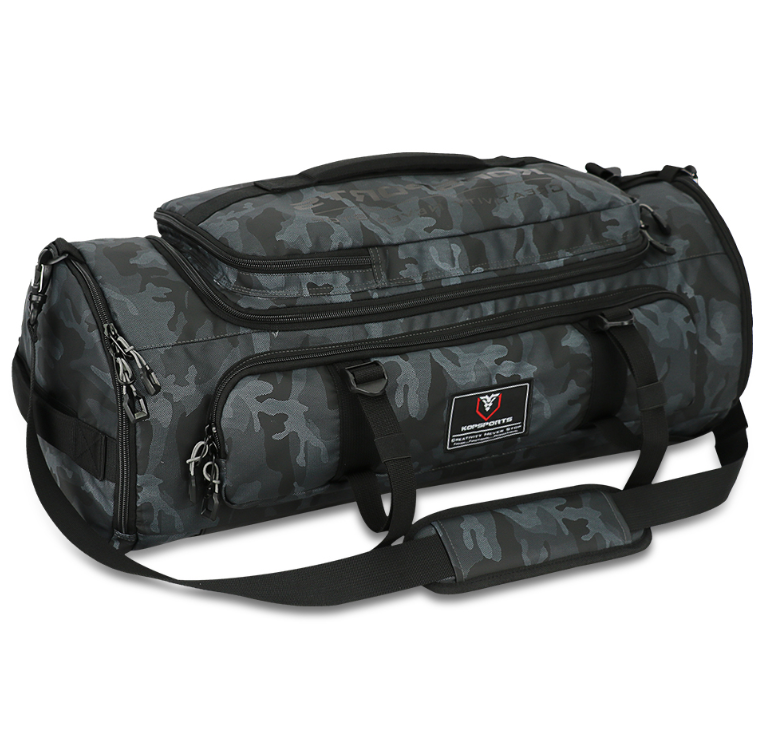
A standardized testing process checks material durability, seam strength, and stitch quality before gym bags leave the factory, catching batch drift early.
Read More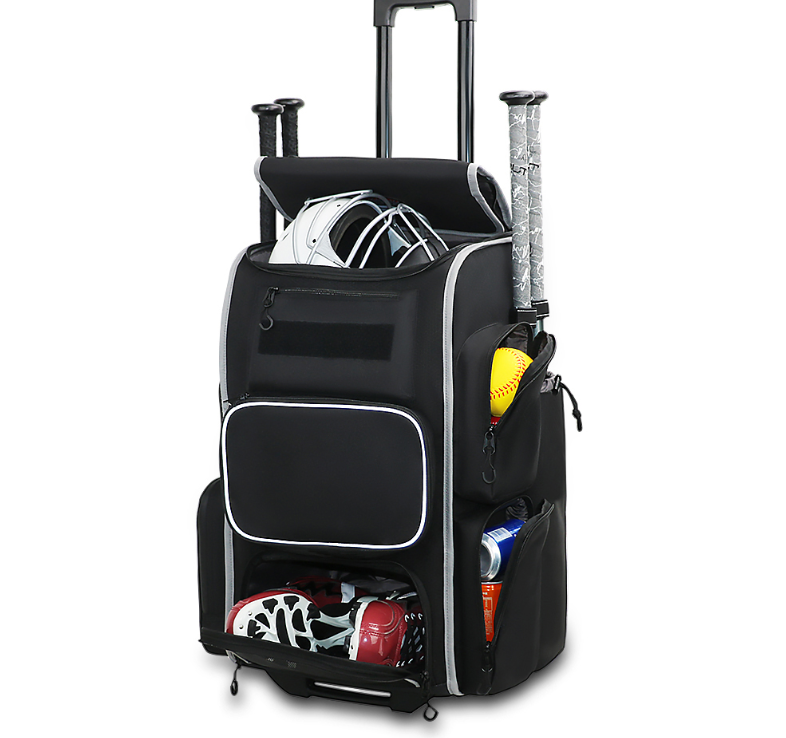
Tear-resistant fabrics like ripstop and high-tenacity polyester help a baseball bag resist snags, seam failure, and side panel wear.
Read More
Durable baseball bags rely on fabric, stitch density, and seam strength to protect gear through daily team use and rough storage.
Read More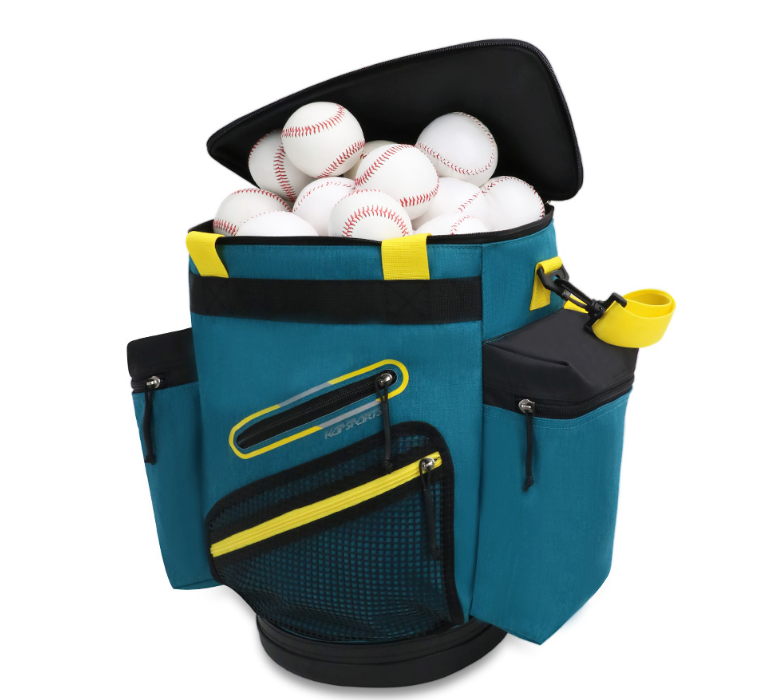
A reinforced bottom panel on a baseball bag resists abrasion and moisture, helping the base stay intact through daily team use and rough storage.
Read More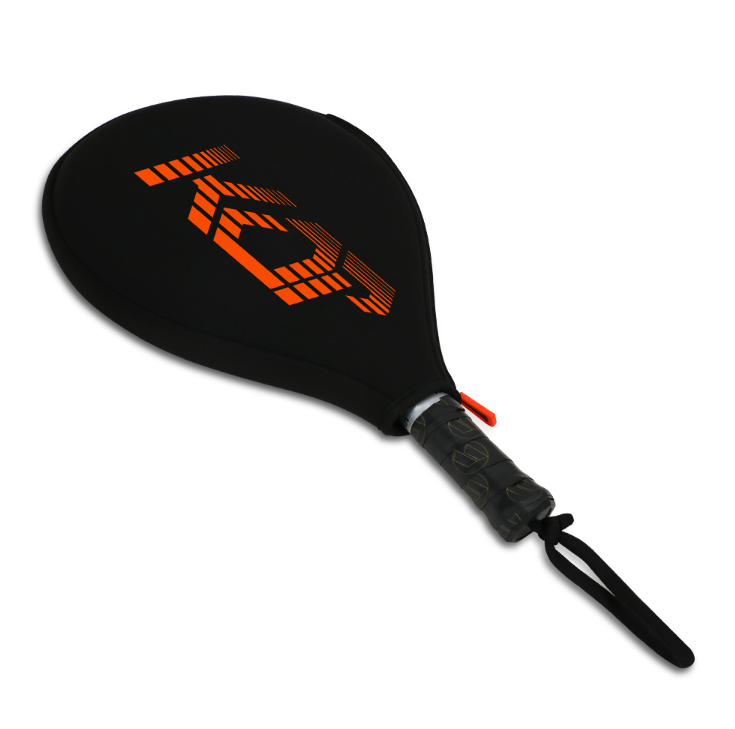
Padel bag thermal compartments shield racket foam from heat swings with insulated pockets and tight closures for steadier feel in hot or cold storage.
Read More
Catchers haul dense gear, so a wheeled bag with structural stability, a rigid base panel, and frame-anchored wheel housings rolls straight and holds shape.
Read More
Choose a professional baseball bag with an isolated shoe zone, vented wet zone, bat sleeve, and reinforced dividers for organized, dry gear.
Read More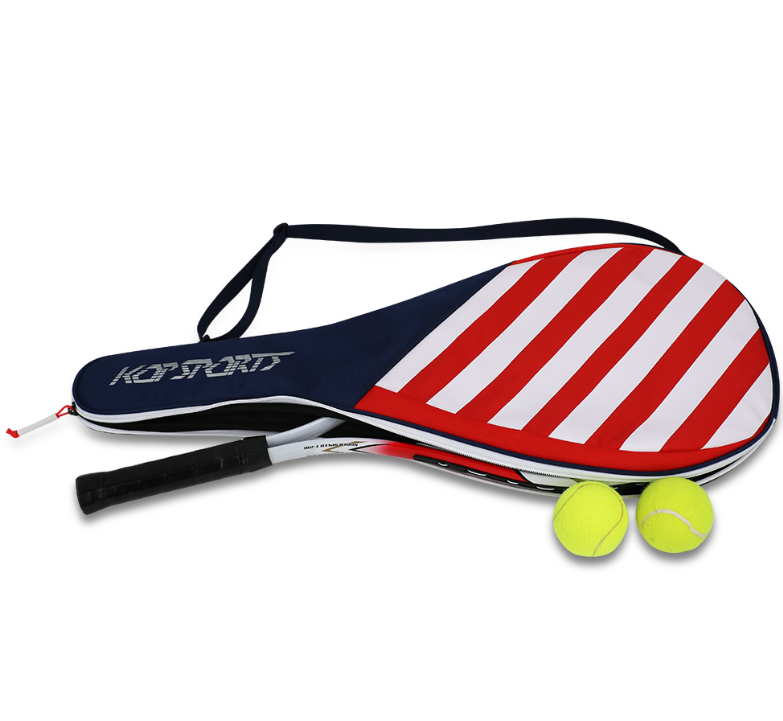
A tennis bag thermal compartment slows heat gain and protects racket strings, with insulation and sealed seams that hold up through summer storage.
Read More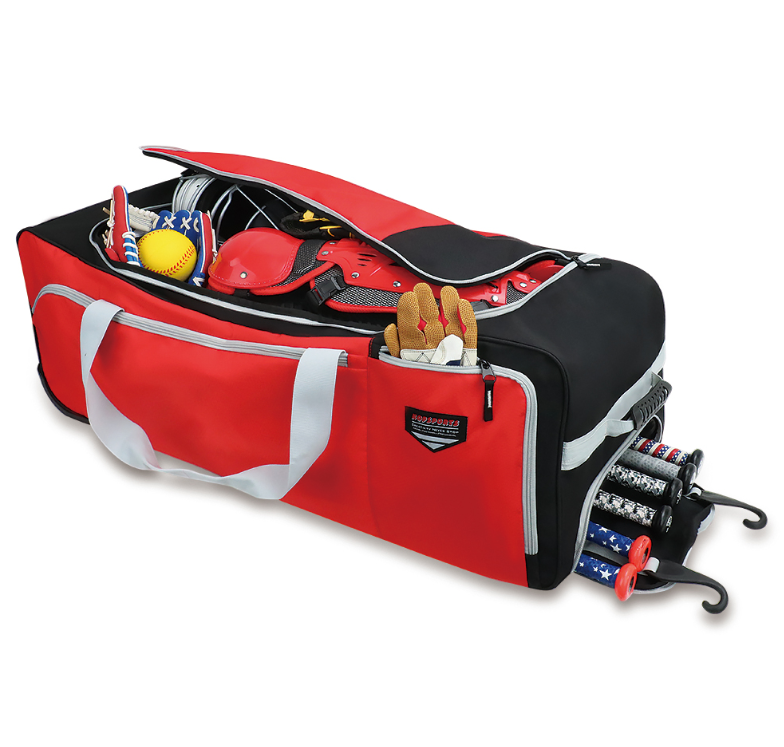
Keep wet cleats aired in a vented shoe compartment or breathable sack, knock off mud first, and avoid sealed plastic to limit mildew and odor.
Read More
A baseball bag depends on strict quality control, material testing, seam strength, and zipper checks to prevent field failures and batch variation.
Read More
A dugout baseball bag with fence hooks hangs low, spreads load, and matches chain link, keeping gear stable through the game.
Read More
A wheeled baseball bag rolls heavy gear on pavement, easing shoulder load during travel, with reinforced base, rigid handle, durable wheels.
Read More
 EN


 Hot News