Wet cleats in a baseball bag create a small, sealed climate. Leather softens, stitching wicks water into the lining, and the closed bag traps humid air against every surface. The result is not just a smell. Repeated wet storage breaks down adhesives, encourages mildew, and stiffens leather until the shoe stops flexing naturally. The best storage approach treats wet cleats as a moisture management problem first and a dirt problem second. That shift changes where the cleats go, what they touch, and how long they stay in the bag.
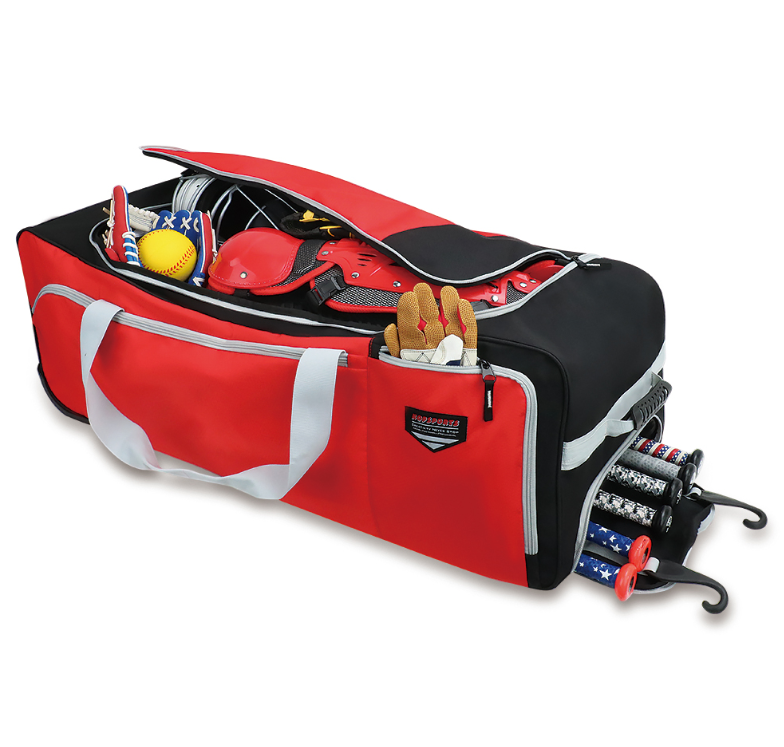
The first minute matters more than the next twelve hours. Before cleats go anywhere near a baseball bag, knock the soles against a curb or a trash can edge to drop heavy mud. A stiff brush takes off the rest while it is still soft. Mud left on the tread dries into a cake that cracks and falls into the bag later, and it holds moisture against the sole plate. Wiping the upper with a dry cloth removes surface water without pushing it deeper into the leather. This step takes about two minutes and prevents most of the mess that shows up a day later.
The instinct to seal wet cleats in a plastic bag makes the problem worse. A sealed bag holds humidity at nearly saturation, which is exactly the condition mildew needs. A breathable shoe sack or a vented compartment lets vapor escape while keeping mud contained. The table below compares common storage methods and how they perform over a typical week.
| Storage method | Airflow | Mud containment | Drying speed | Mildew risk |
|---|---|---|---|---|
| Plastic bag, sealed | None | High until torn | Very slow | High |
| Breathable shoe sack | Moderate | Moderate | Moderate | Low |
| Vented shoe compartment | Good | High | Good | Low |
| Open main compartment | High | Low | Fast | Low, but bag gets dirty |
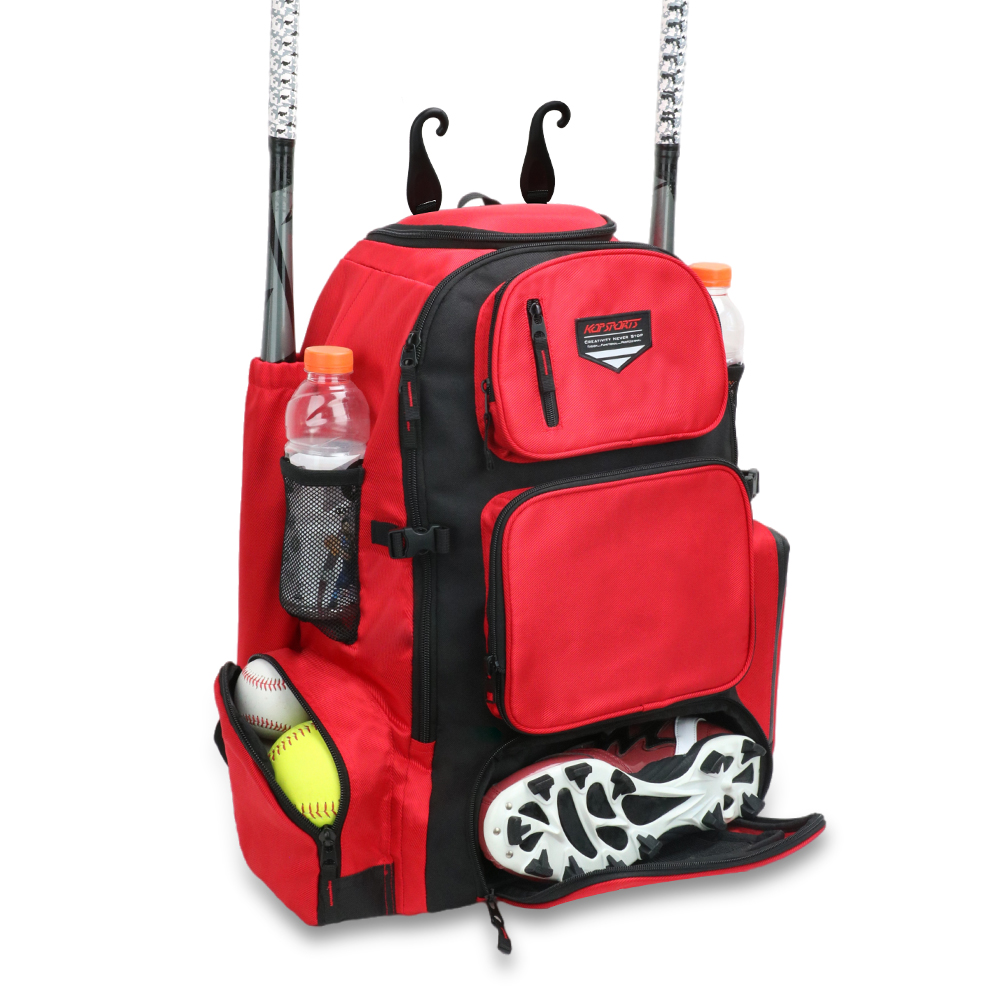
A vented compartment is the practical middle ground. It keeps cleats away from clean gear and still lets moisture escape. The limitation is real, since a vented pocket will not dry soaking cleats overnight. It slows the problem and buys time until the cleats can be pulled out and aired properly.
How cleats sit inside the bag affects drying as much as the compartment itself. Cleats should go in sole down or angled so water can drain away from the leather upper, not pooled against the toe box. If the bag has a shoe zone, place the cleats loosely rather than crammed against each other, since contact between wet surfaces slows evaporation. Remove insoles if they come out easily, because the insole traps a layer of moisture against the sole. Loosen the laces so the tongue can lift and air can move through the shoe. These small moves cost seconds and meaningfully shorten drying time.
At a youth baseball program in a humid coastal region, coaches noticed that cleats stored in sealed plastic bags inside team baseball bags were coming out damp and musty even two days after a rain game. The bags were not the issue. The sealed plastic was. The program switched to breathable shoe sacks and asked players to pull insoles and loosen laces before packing. Within a few weeks, musty odors dropped and leather uppers stayed softer. The change did not involve new bags or extra equipment, just a different storage habit. Field conditions vary, so results will not be identical everywhere, but the direction is reliable.
A baseball bag that holds wet cleats regularly needs materials that can take humidity without degrading. Coated polyester shells resist water penetration better than untreated canvas. Sealed or taped seams slow wicking along stitch lines. A molded or reinforced base panel keeps moisture from soaking upward into the bag body. Ventilation grommets and mesh panels help vapor escape. ASTM D737, the standard test for fabric air permeability, is a useful reference when comparing breathability claims. The tradeoff is that heavier coatings resist water well but breathe less, so a bag that is fully waterproof also needs a way to vent. No material choice removes the need to empty and air the bag after use.
The habit matters more than any single product. Empty the bag after every wet game, pull the cleats out, and let both dry separately in shade. Shade matters, since direct sun can crack coatings and stiffen leather. Store cleats with newspaper or dry cloth inside if they are soaked, and replace the filler when it gets damp. Once a week, wipe the interior and check the shoe zone for grit. A baseball bag that gets this routine will last longer and smell better, and the cleats will keep their shape. Kopsports, the short name behind the site, supports that kind of practical build with production lines making more than 6,000,000 bags a year, about 40% wheeled, plus skilled workers, roller equipment, and standardized testing before release. Good storage habits and a well made bag work together. Neither one alone keeps wet cleats from becoming a problem.

 EN




 Hot News