A common assumption is that the heaviest fabric wins. That is only half true. Tear resistance measures how well a material stops a small cut or nick from propagating into a full rip. Two fabrics can weigh the same and behave very differently once a sharp edge catches a seam. Woven structure, yarn tenacity, and coating all change the outcome. A baseball bag faces specific tear risks: bat barrels poking through the side, cleats snagging the interior, and the bottom catching on concrete steps. Picking fabric for a baseball bag means matching tear behavior to those real contact points, not just chasing a higher denier number. A 600D fabric with a tight weave and a good coating can beat a loosely woven 900D in a tear test, and that gap shows up fast in a dugout.
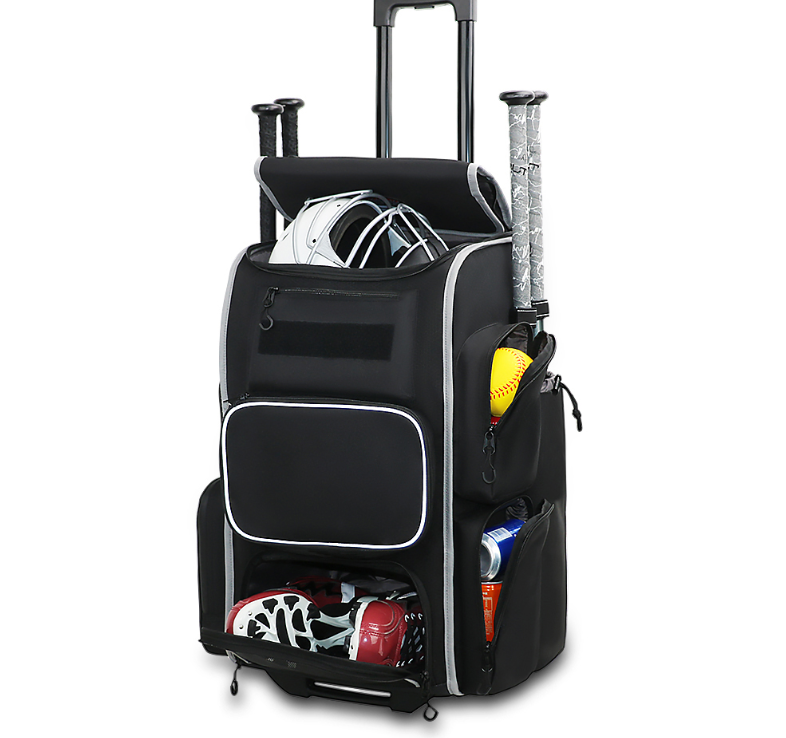
Tear strength starts at the weave. A plain weave with high warp and weft density distributes a propagating rip across more yarns. A loose weave lets a tear run along a single thread line. Yarn type matters too. High-tenacity polyester and nylon 6,6 both resist tearing well, but nylon tends to stretch more before it fails, which helps absorb impact. Polyester holds shape better under repeated load. Ripstop construction adds a grid of thicker yarns at intervals, which stops a small tear from growing past the grid line. That is why many durable bags use ripstop nylon in high-wear zones. Coating also plays a role. A polyurethane or PVC back coating bonds the weave together and raises the force needed to start a tear. The catch is weight and stiffness. A heavily coated fabric feels boardy and adds grams, so the design has to balance protection against carry comfort.
A club team in central Texas replaced its equipment bags mid-season after a run of failures. The old bags used a lightweight 420D polyester with a thin coating. Bat barrels wore through the side panels within weeks, and cleat snags opened small tears that spread fast. The replacement bags used a 600D high-tenacity polyester with a ripstop grid and a polyurethane back coating. Over the remaining fourteen weeks, including a wet fall season, no side panel tore through. The bags did weigh more, about 200 grams each, and the fabric felt stiffer when new. Players noticed the difference mostly when loading bats, since the side panel no longer flexed as easily. That stiffness was the tradeoff for tear resistance, and the team accepted it after a season of patching the old bags with duct tape.
A fabric with strong tear resistance can still fail at the seam. Needle holes create a line of weak points, and a tear often starts at the stitch line rather than the middle of a panel. Three construction details protect against that:
A bound or folded seam edge keeps the raw fabric from fraying and spreading a tear.
Bar tack reinforcement at stress points stops a rip from running past a corner.
A slightly larger stitch length reduces the number of needle holes per inch, which lowers the chance of a tear starting at the seam.
Lamination adds another layer of protection. A TPU film laminated to the back of the fabric raises tear strength and blocks water, but it can stiffen the hand feel. The honest limitation is that no fabric resists a deliberate cut or a sharp metal edge. Tear resistance buys time against accidental snags. It does not turn a bag into armor.
Tear strength is measured with standard methods. ASTM D5587, the trapezoid tear test, and ASTM D2261, the tongue tear test, are both common for woven bag fabrics. The table below uses representative values from material supplier data sheets. These are approximate figures for comparison, not a certified lab report.
| Fabric | Tear strength (trapezoid, approximate) | Coating | Weight feel | Common field result |
|---|---|---|---|---|
| 420D polyester, light coating | 18 N | Thin PU | Light | Side panel tear within weeks |
| 600D polyester, plain weave | 32 N | PU | Moderate | One season with minor snags |
| 600D high-tenacity polyester, ripstop | 45 N | PU | Moderate, slightly stiff | Multiple seasons, no side tears |
| 900D nylon, loose weave | 38 N | PVC | Heavy | Strong but tear can run along weave |
| 1000D nylon with TPU laminate | 52 N | TPU | Heavy, stiff | Strongest, best for high-abuse zones |
The data shows the point clearly. Denier alone does not predict tear resistance. Weave density and yarn tenacity matter as much as weight.
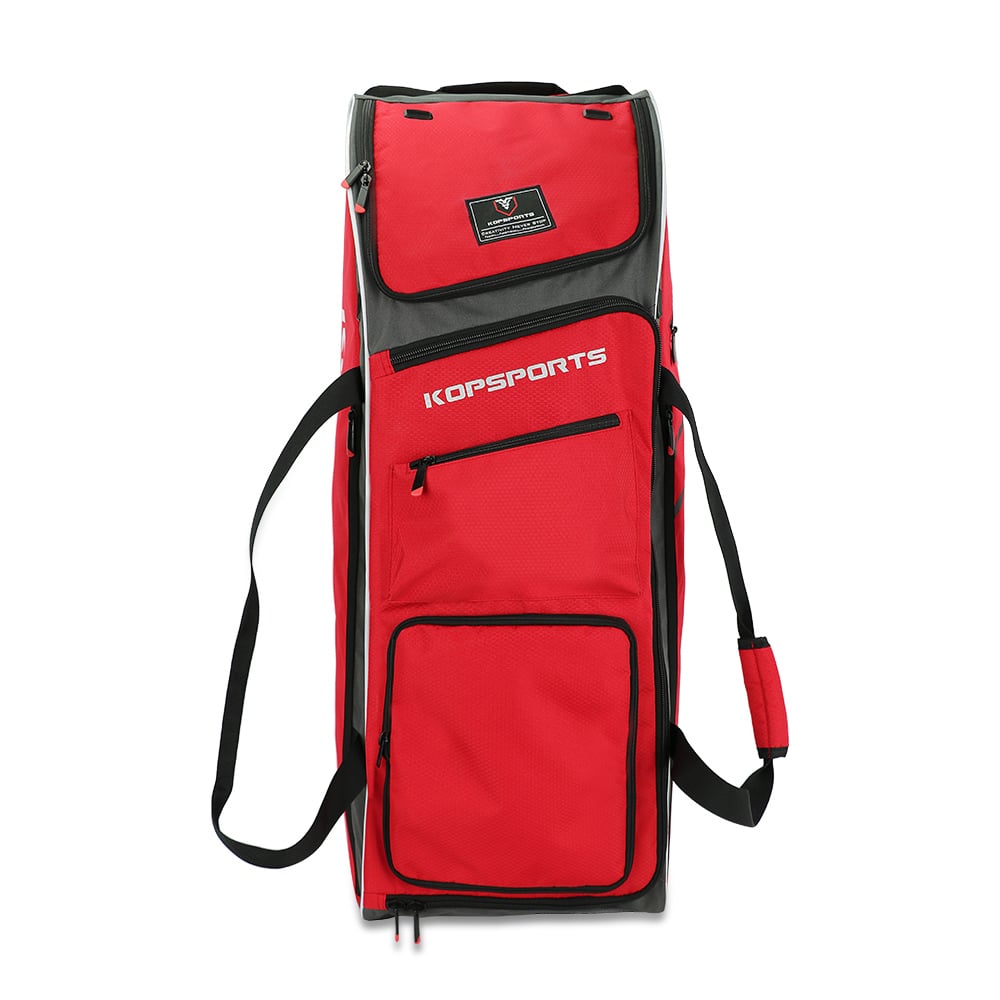
A good fabric spec only holds up if the factory controls cutting, stitching, and coating adhesion. A ripstop grid that shifts during cutting leaves weak zones. A coating applied too thin at the edges fails first. KOP runs high-volume bag production with an annual output of more than 6,000,000 pieces, including a large share of wheeled bags, and every unit goes through a standardized testing process before release. Material durability, craft accuracy, and structural stability are checked under a strict quality control system. For a baseball bag, that control shows up in consistent seam binding, bar tack placement that does not drift, and coated panels that stay flat after loading. The result is not a bag that never tears. It is a bag where tear resistance is a repeatable property, not a lucky batch.

 EN



 Hot News