Дүкендерде көріп тұрған көптеген рюкзактар жазық тропаларда жүру үшін, ал шынымен қиындықты қажет ететін қоңырқайға шығу үшін емес, құрастырылған. Бұл айырмашылық сіз тік жерлерге қоңырқайға шыға бастаған кезде айқын сезіледі. Әдеттегі рюкзак секіріп тұрады, салмағын әдетте қолайсыз жерге орын ауыстырады және тастарға зақымданады. Ол сіздің теңдестігіңізді ең қолайсыз уақытта бұзады. Дұрыс қоңырқайға шығуға арналған рюкзак толығымен басқаша құрылған. Ол денеңізге жақынырақ отырады және сіз арқаңызды иіп немесе қолыңызды жоғары көтерген кезде де тұрақты қалады. Пішіні әдетте биіктеу және тарырақ болады, сондықтан ол бүйірлерінен шығып, тасты беттерге соғылмайды. Осы ағысқа ұқсас дизайн сіз тар орындардан өткен кезде немесе жарықшақ бойымен жоғары көтерілген кезде үлкен маңызға ие болады. Қате рюкзакпен қоңырқайға шығу қиын және шынымен аздап қауіпті, себебі бұл сіздің қолдарыңыз бен аяқтарыңызға назар аударуыңызды бұзады.
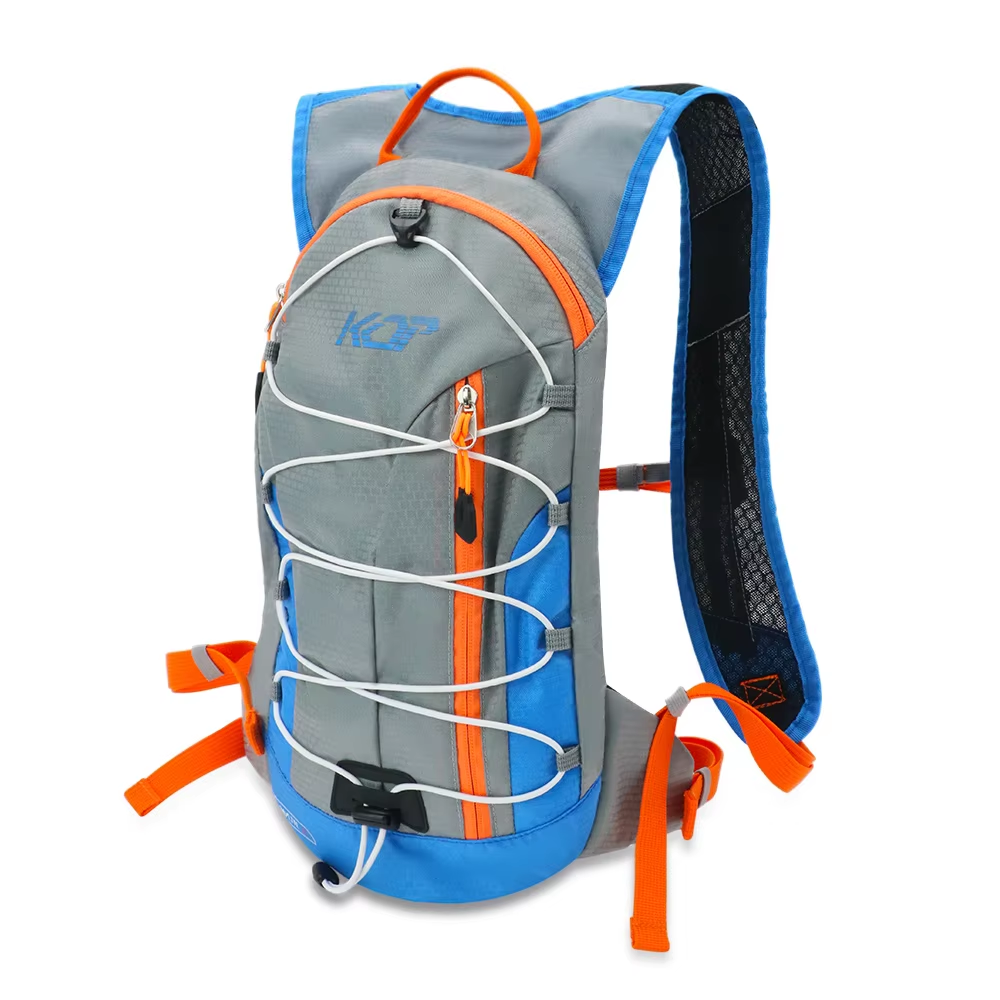
Қиын жағдайларда өте әртүрлі пішіндегі көптеген заттарды әкелу керек. Арқан, карабинерлер, камдар, мұз балта, қорғаныс қалпақтары және тағы да арқандар. Қиын жағдайларда қолданылатын рюкзакта барлық осы жабдықты сырттан қатты бекіту үшін арнайы люверстер мен таспалар болуы керек. Рюкзактың төменгі жағында мұз балтасын бекітуге арналған люверстер мен алдыңғы жағында «шыбық шыбық» (daisy chain) таспаларын іздеңіз. Бұлар сізге ұзын заттарды тік бағытта бекітуге мүмкіндік береді, сондықтан олар сіздің басыңыздың артына соғылмайды. Кейбір рюкзактардың жоғарғы қақпағында арнайы арқан таспасы болады. Сіз арқанды ораңыз және оны тығыз бекітіп, қозғалыста оның ауырғанын болдырмаңыз. Қорғаныс қалпағын бекітуге арналған ұстағыштар да өте пайдалы функция. Сіз тауға жету үшін қалпақты рюкзактың ішіне салып, барлық заттардың сығылуына жол бермей, оны сыртқы жағына ілуіңіз ыңғайлы. Дұрыс бекіту нүктелерінің болуы сізге барлық жабдықты тез қолжетімді етеді, сондықтан сізге рюкзактың ішіндегі барлық заттарды шығарып алу қажет болмайды.
Құрал-жабдықтарға тірекпен өту қиын. Сіз өз салығыңызды қатты гранитке қайырып, оны түтіктерге жоғары қарай тартасыз және сүйір шеттерге тастайсыз. Тірекпен өту үшін арналған рюкзак осындай әсерлерге төзімді болуы керек, бірақ жыртылмауы керек. Жоғары тозуға ұшырайтын аймақтарда 420D немесе 630D нейлон сияқты жоғары деньерлі материалдардан жасалған рюкзактарды іздеңіз. Рюкзактың табаны ерекше қауіпті болғандықтан, көптеген тірекпен өту рюкзактарында негізі күшейтілген панельдер болады. Кейбіреулері қосымша жыртылуға төзімділік үшін баллистикалық нейлон немесе Дайнема мата қолданады. Арзан материалдар бірнеше рет ғана қолданылғаннан кейін жыртылады. Сонымен қатар, сіз зипперлерге де назар аударыңыз. Тірекпен өту рюкзактарында ұнтақ пен тозаңды сыртқа шығару үшін зипперлердің қапшықтары немесе суға төзімді зипперлер болады. Сізге ең соңғы қажеттісі — маршрутың ортасында, тамақ немесе киім қабатын алу кезінде зипперіңіз құмға толып, қысылып қалуы.
Кейде шыңға көтерілу үшін жасалатын жүріс өзі шыңға көтерілуге қарағанда қиынырақ болады. Сіз тіпті арқанға бекітілгенше, ауыр жабдықтарды әкелу үшін сағаттар бойы жүре аласыз. Қолайлы шыңға көтерілу қапшығында салмақты дұрыс иыққа аударатын жақсы ілгектер жүйесі болуы керек. Толтырылған иық белдігі мен жақсылап пішілген иық жағынан орналасқан қанаттар сіз 20 немесе 30 фунт метал мен арқан әкелген кезде өте маңызды рөл атқарады. Артқы бетінде желдету құрылғысы болуы керек, сонда сіз шыңға көтерілуді бастамас бұрын терге толып қалмайсыз. Басқа да маңызды сипат — дененің ұзындығын реттеуге болатын қапшық, себебі әр адамның дене пішіні әртүрлі. Дұрыс отыратын қапшық дұрыс отырмайтын қапшыққа қарағанда әлдеқайда жеңіл сезіледі. Барлық бау-жіптер мен жүкті көтеретін механизмдерді реттеуге уақыт бөліңіз. Осы қосымша бір минуттық дайындық ұзақ күн бойы қолайлылыққа әкеледі.
Қалқаншалардың дизайны әдетте жаяу yүру үшін арналған қалтасы бар сөмкелерге қарағанда қарапайым болады. Сіз қалқаншалардың кезінде ондаған әртүрлі қалта мен бөлімдерге қажеттілік сезбейсіз. Шынында да, көп қалталар тек салмақ қосады және зақымдану нүктелерін тудырады. Қалқаншалар үшін арналған қалта әдетте бір үлкен негізгі бөлімнен және, мүмкін, жақтау немесе алдыңғы жағында бір кішкентай қалтадан тұрады. Осы қарапайымдылық шынында да функция болып табылады. Ол сізді тиімді толтыруға итермелейді және көптеген жасырын орындар болмағандықтан, заттарды табуды жеңілдетеді. Көптеген қалқаншалар zip-тің орнына домалақ жақтаумен жабылатын қалталарды ұнатады. Домалақ жақтаулар қарапайымырақ, суға төзімдірек және қалтаның қажеттілікке қарай кеңейіп немесе сығылуына мүмкіндік береді. Кейбір қалқаншалар үшін арналған қалталарда алынып тасталатын рамалар немесе сыртқы пена арқа панельдері де болады, сондықтан сіз жеңіл миссиялар үшін салмақты азайта аласыз. Тропадан алыс орналасқан кезде сынғыш заттардың аз болуы сенімділікті арттырады.
Сіз қандай түрде шығуға дайындалғаныңызды ескере отырып, сыйымдылығы әртүрлі қалтаға назар аударыңыз. 30 литрлік қалта бір қабатты скалаға шығу үшін өте жақсы, өйткені сіз онда көп құрал-саймандарды алмайсыз. Алпындық маршруты немесе бірнеше қабатты шығулар үшін, мұнда қосымша киім, тамақ және басқа да құрал-саймандар қажет болады, 40–50 литрлік қалталарды іздеңіз. Қалтаның көлемін көп ұзақ етпеңіз, өйткені үлкен қалта тік жерлерде ыңғайсыз болады. Мүмкін болса, әртүрлі қалталарды киіп көріңіз. Оларды салмақпен толтырып, дүкенде жүріп көріңіз. Егер қалта денеңізге ыңғайсыз болса, оның қағазда қандай жақсы болғаны маңызды емес. Сапалы альпинистік қалтаға салынған инвестиция — бұл әрбір саяхатыңызды қуанышты ететін сатып алулардың бірі. Құрал-саймандарыңыз ыңғайлы тасымалданған кезде, шығуға қажетті энергияңыз қалады.

 EN
EN

 Қызықты жаңалықтар