Барлық рюкзак жаяу жүруге жарамды емес. Мектептік рюкзак немесе күнделікті пайдалануға арналған рюкзак сырттан қалай болса, солай көрінуі мүмкін, бірақ оны шыныға тәжірибелі тропаға алып барғанда проблемалар тез байқала бастайды. Иықтарыңызға қысымы күшейеді, арқаңызда ауа алмасу болмайды, сондықтан теріңіз көп буланады, ал бірнеше шақырымдан кейін бүкіл рюкзак ауырсынады. Жаяу жүру үшін дұрыс жеңіл спорттық рюкзак белсенді адамдардың қажеттіліктерін ескере отырып жасалған. Оның дизайны ұзақ уақыт бойы салмақты ыңғайлы көтеруге бағытталған. Иық илемдері дұрыс орындарда контурланған және төсеніштелген. Жүкті тұрақтандыру мен иықтарыңызға тиетін қысымды азайту үшін көбінесе кеуде илемі мен бұдыр илемі болады. Бұл кішкентай сипаттамалардың барлығы тропада әлдеқайда жақсы тәжірибе қалыптастырады. Рюкзак дұрыс отырған кезде сіз оны киіп отырғаныңызды едәуір ұмытасыз. Осы — мақсат.
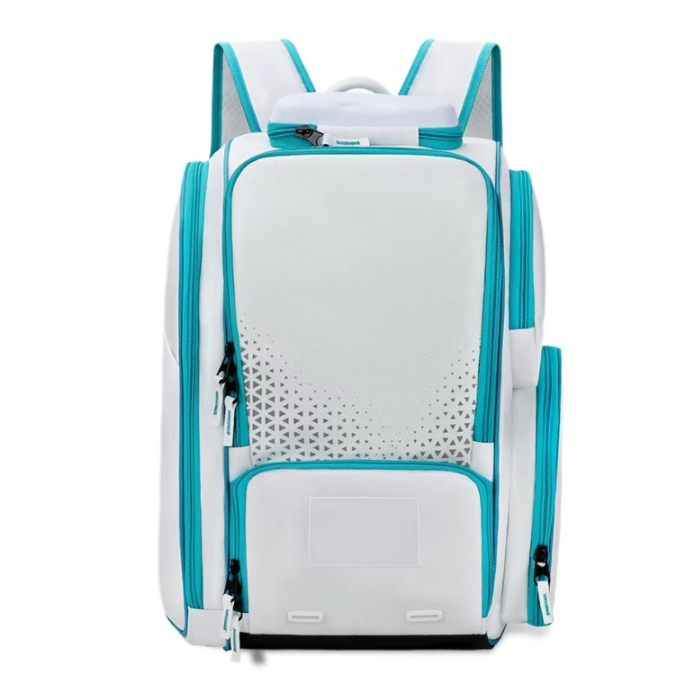
Қалтаға тауға шығу кезінде көп талап қойылады. Сіз оны сымбаттарға үйкейсіз. Оны тасты жерге қоясыз. Мүмкін, ол қатты жаңбырға тұрып қалады. Сондықтан жақсы спорттық қалта қолданылатын барлық жағдайларға төзімді материалдардан жасалуы керек. Мысалы, рипстоп нейлон немесе жоғары тығыздықтағы полиэстер сияқты мата түрлерін іздеңіз. Бұл материалдар жыртылуға төзімді және үйкелуге қарсы тұрады. Суға төзімділік — тағы бір маңызды фактор. Толық суға төзімді қалта қажет емес, бірақ суға төзімді қабықшаның болуы сіздің заттарыңызды жеңіл жаңбыр кезінде немесе ылғалды жерге қалтаны қойған кезде құрғақ ұстайды. Сондай-ақ, сойылғыштар да маңызды. Ашық сойылғыштар арқылы су мен тозаң ішке түсуі мүмкін, сондықтан сойылғыштардың қаптамаларын немесе суға төзімді сойылғыштарды іздеңіз. Қалтаның денесіне иықтардың бекітілетін жерлері сияқты кернеу түсетін нүктелерде күшейтілген тігістер қалтаның қызмет ету мерзімін ұзартады. Арзан қалта бірнеше саяхаттан кейін тігістерден бастап бұзыла бастайды. Ал жақсы жасалған қалта жылдар бойы қызмет етеді.
Өлшем – бұл жеке іс, бірақ күндік жаяу саяхатқа 20–30 литрлік спорттық рюкзак көпшілік үшін өте ыңғайлы. Бұл көлемде су қабыршағы немесе бірнеше су шынысы, азық-түлік, қосымша киім қабаты, алғашқы көмек жинағы және, мүмкін, кішкентай фотоаппарат сияқты нәрселерді орналастыруға болады. 20 литрден кіші көлемдегі рюкзак толық бір күндік саяхатқа қысылған сезім береді. 35 литрден аса көлемдегі рюкзак, әдетте, басқа адам үшін жабдық немесе қалың жылыту қабаттарымен қысқы жаяу саяхаттарға арналған жағдайлардан басқа, артық болып табылады. Жеңіл спорттық рюкзактың артықшылығы – бос күйінде ол өте ауыр емес. Сіз оған ештеңе салмай-ақ ауыр қорап тасымалдамайсыз. Рюкзактың өзінен үнемделген бірнеше фунт салмақ сізге көбірек су алуға немесе жалпы жүктің ауырлығын арттырмай-ақ қандай да бір дәмді зат алып баруға мүмкіндік береді.
Теріс арқа — жаяу жүру кезінде, әсіресе жылы ауа-райында шынымен проблема болып табылады. Арқаңызға тығыз орналасқан салондық қап ыстық пен ылғалды ұстайды. Жаяу жүру барысында бір сағаттан кейін киіміңіз тым ылғалданады, бұл ыңғайсыздық тудырады және терінің ысқынуына әкелуі мүмкін. Қазіргі кезде көптеген сапалы спорттық рюкзактарда желдетілетін арқа панельдері бар. Олар торлы материал мен тұтас қатты табақшаларды қолданады, олар арқаңыз бен қап арасында кішкентай саңылау құрады. Бұл саңылау арқылы ауа ағысы өтеді және сізді суықтау мен құрғатуға көмектеседі. Кейбір модельдерде ілінген торлы жүйе қолданылады, яғни қап негізінен арқаңыздан аздап алыста орналасады. Бұл ауа ағысы үшін өте жақсы, бірақ кейде салмақ сіздің денеңізден аздап алыста орналасады, бұл тұрақтылыққа әсер етуі мүмкін. Ауа алмасу мен жүктің бақылануы арасындағы дұрыс тепе-теңдікті табу — сіздің жаяу жүру әдеттеріңізге (қайда және қашан) байланысты ойланылатын мәселе.
Трейлде су ішу — міндетті шарт. Ішуге қажет болған кезде тоқтауға, рюкзакты шешіп алып, әр рет су құтысын іздеп тауып алуға тура келеді — бұл қиындық туғызады. Жаяу жүру үшін жақсы спорттық рюкзак су ішуді жеңілдетеді. Көбінесе оларда гидратация резервуарын (басқаша айтқанда, «бладдер» деп аталатын сыйымдылықты) орналастыруға арналған ішкі кескіні бар. Ішуге арналған түтіктің шығуы үшін әдетте кішкентай тесік болады, ал иық белбеуінде түтікті орнында ұстайтын клипстер немесе сақиналар орналасқан. Бұл сізге қадамыңызды бұзбай-ақ қолдарыңызды бос ұстап ішуіңізге мүмкіндік береді. Егер сіз құтыларды қолдануды ұнатсаңыз да, биік және сенімді бүйір қалташаларын іздеңіз. Созылатын торлы қалташалар жақсы жұмыс істейді, себебі олар құтыларды тығыз ұстайды, бірақ сізге жүріп отырып құтыны оңай енгізуге және шығаруға мүмкіндік береді. Гидратацияға үйлесімділік сияқты кішкентай деталь ұзақ, ыстық күндері нағыз айырмашылық жасайды.
Сізге жаяу жүру үшін миллион қалта бар рюкзак керек емес. Қалталардың көп болуы салмақты арттырады және заттарды табуды қиындатады. Ең жақсы жеңіл спорттық рюкзакта ақылды, бірақ қарапайым орналасу болады. Бір үлкен негізгі қалта — жақсы және тамақ сияқты ірі заттар үшін. Бір кішірек алдыңғы қалта немесе жақтау қалтасы — картаны, күн сәулесінен қорғайтын кремді немесе қосымша тамақты тез алу үшін. Су шынысын немесе жаяу жүру таяқшаларын салуға арналған бірнеше созылатын торлы қалталар — қабырғаларда. Бұл шынымен жеткілікті. Кейбір рюкзактарда су ішуге арналған резервуар немесе ноутбук үшін кішірек ішкі көрсеткіш де болады, егер сіз осы рюкзакты жұмысқа барған кезде де пайдалансаңыз. Қарапайымдылықты сақтаңыз. Сіз рюкзак ішінде іздеген уақыт қаншалықты аз болса, соншалықты сіз тропада қуанып өтетін уақыт көп болады.

 EN
EN

 Қызықты жаңалықтар