A lacrosse bag gets loaded in a hurry. Sticks, helmet, cleats, water bottles, and a wet towel all go in before practice or a game. The zipper takes the abuse, and the buckles keep the load from spilling onto a parking lot. When a zipper separates or a buckle cracks, the bag becomes a pile of gear on the ground. That failure usually happens at a field with no backup, not in a warehouse where it could be swapped. A standardized testing process matters because it catches weak points before a bag reaches a player. The goal is not an indestructible bag. The goal is a closure system that does not fail from normal use. A single failed slider can end a session early, and a cracked buckle can turn a long walk back to the car into a two-trip problem.
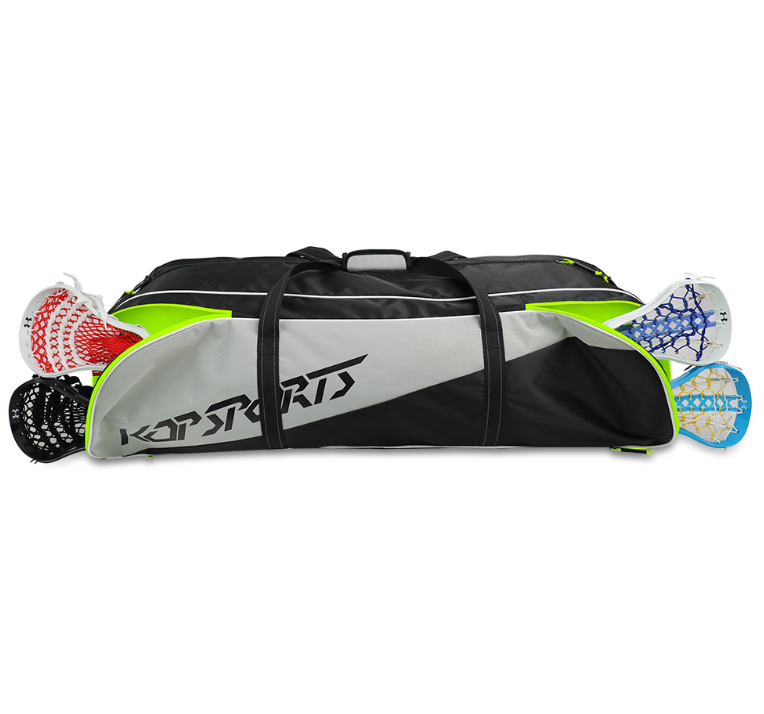
A zipper test is not just a pull until something breaks. It measures slider strength, pull tab retention, and resistance to repeated open and close cycles. Buckle testing looks at tensile strength, latch engagement, and resistance to bending and impact. The method matters as much as the number. ASTM D2061 covers zipper strength, and related methods address webbing and hardware. A standardized process uses the same fixture, the same speed, and the same pass or fail criteria for every batch. That consistency turns a test into a control. Without it, one operator might pull harder than another, and a weak batch can slip through. The point is not one heroic test. The point is a repeatable one. Test records also make it easier to trace a failure back to a supplier lot, a resin change, or a stitching adjustment.
Many factories pull a bag, tug the zipper a few times, and call it good. That is a spot check. A standardized testing process is a system. It defines which parts get tested, how many samples per lot, what equipment is used, and what happens when a sample fails. The system also covers material durability, craft accuracy, and structural stability, not just the closure. A useful comparison:
| Check | Spot check | Standardized testing process | What it changes |
|---|---|---|---|
| Sample size | One or two bags | Defined sample per lot | Catches batch variation |
| Zipper test | Hand pull | Fixture and cycle count | Repeatable pass or fail |
| Buckle test | Visual and tug | Tensile and latch engagement | Finds weak hardware |
| Record keeping | Notes or none | Logged results and batch trace | Supports root cause review |
| Failure response | Rework if noticed | Hold, inspect, and correct | Stops repeat defects |
| Operator influence | High | Low | Same criteria across shifts |
A spot check can miss a batch where the zipper tape is slightly off spec or the buckle resin is brittle. A system catches that pattern because it compares results across lots and shifts. That difference may not show up on a first sample. It shows up in the return rate after a season.
A club program in a humid southern region went through a spring season with a batch of lacrosse bags that looked fine on arrival. By midseason, a stack of returns had built up in a storage room. Zippers were catching on the tape, and several buckles had cracked at the latch. The bags had passed a quick tug at the factory, but no one had run a cycle test on the slider or a tensile test on the buckle. The club switched suppliers and asked for test records per lot. The new bags were not perfect, and a few zippers still needed lubrication after wet weekends. What changed was the rate of early failures. The return pile shrank because weak hardware was caught before shipment, not after a player had already packed for a game. The club also started logging which bags went to which team, so a repeat issue could be tied to a specific production window.
A test process cannot simulate every real condition. Sand, salt, and repeated soaking can shorten the life of any zipper or buckle. A bag that passes a lab test can still fail if it is dragged across pavement or overfilled until the zipper is under constant strain. Buyers should treat testing as a filter, not a guarantee. Field care still matters: rinse salt, dry the bag before storage, and avoid forcing a zipper past a snag. The honest position is that a standardized process reduces risk. It does not remove the need for sensible use. That is a more useful promise than a claim that a closure will never fail. Coaches and players can also help by not overstuffing the main compartment and by using the dedicated stick holder or shoe area instead of forcing everything through one opening.
For volume programs, the closure system is where small inconsistencies become visible returns. A lacrosse bag line needs consistent zipper tape, slider tension, and buckle resin from lot to lot. Kops runs bag production above 6,000,000 pieces annually, with about 40% wheeled bags, and applies a standardized testing process before every bag is released. That scale helps when a program needs repeatable zipper and buckle performance across seasons, not just a good first sample. It also supports the kind of batch traceability that makes a return pile easier to diagnose when something does go wrong.

 EN



 Hot News