A strict quality control system is often pictured as a row of inspectors at the end of a line. That picture is incomplete. The real value shows up much earlier, when material rolls are checked against agreed specs, when seam recipes are validated before cutting, and when in-process checks catch drift before a whole batch inherits it. A sports bag manufactured under that kind of system is not automatically better because someone stamped a pass label on it. It is better because the variables that cause failure were controlled from the start. Final inspection can only catch what already went wrong. A production philosophy aims to stop the wrong thing from being made in the first place.
Variance is the quiet enemy. One lot of thread behaves differently from the next. A new operator sews a slightly different seam. A coating supplier changes a formulation by a small margin. None of those changes look dramatic on their own. Together they create a batch where some bags last and others fail early. Buyers feel that variance as inconsistent reviews, returns, and a brand that cannot be trusted twice. A strict quality control system exists to shrink that variance. It does not promise perfection. It promises that the same input and the same process produce the same result, batch after batch. That consistency is what makes a sports bag predictable in the field.
Before release, every single bag should go through a standardized testing process paired with a strict quality control system. The phrase sounds broad until the checks are named. A useful flow covers three layers. First, incoming materials get checked for weight, weave, coating, and hardware strength. Second, in-process checks catch seam slip, needle cutting, zipper alignment, and attachment fit. Third, finished bag checks cover loaded drop, handle pull, zipper cycling, and a visual audit. The quality system needs uniform, predefined assessments for material durability, craft accuracy, and structural stability. It also needs oversight across shifts, so one team does not test differently from another. Without that oversight, a test result is just a number with no context.
| Quality control approach | Incoming material checks | In-process checks | Final testing | Typical outcome risk |
|---|---|---|---|---|
| Final inspection only | None or occasional | None | Visual and basic pull | High, defects found late |
| Partial QC | Some material checks | Spot checks | Limited functional tests | Moderate, drift between lots |
| Strict QC system | Full spec verification | Defined checkpoints | Standardized full testing | Low, consistent output |
At a bag plant in southern China, a run of sports bags moved from 600D polyester to 1000D nylon on a high-wear panel. The first samples looked clean on the table. During a loaded drop test, two samples showed seam slip at a corner bar tack. The fabric was not the issue. The sewing setup had stayed on the old needle size, which was cutting the heavier weave at the stitch line. The line moved to a smaller needle, bonded nylon thread, and a slightly longer stitch. The fix did not add weight or cost. It prevented a batch that would have looked fine at final inspection and failed later in use. That case is a plain argument for in-process control. The defect was created at the machine, not at the end of the line.
A single impressive sample proves little. Any factory can hand-build one good bag. The harder question is whether bag number 5,000 matches bag number 50. Consistency is where strict quality control earns its place. It is also where third-party frameworks help. ISO 9001 sets requirements for a quality management system, and sampling standards such as ISO 2859 give a structured way to judge lots rather than individual pieces. Those references do not guarantee a good bag. They do show whether a factory has a system that can be audited and repeated. For buyers, that repeatability is worth more than a glossy sample that cannot be reproduced at volume.
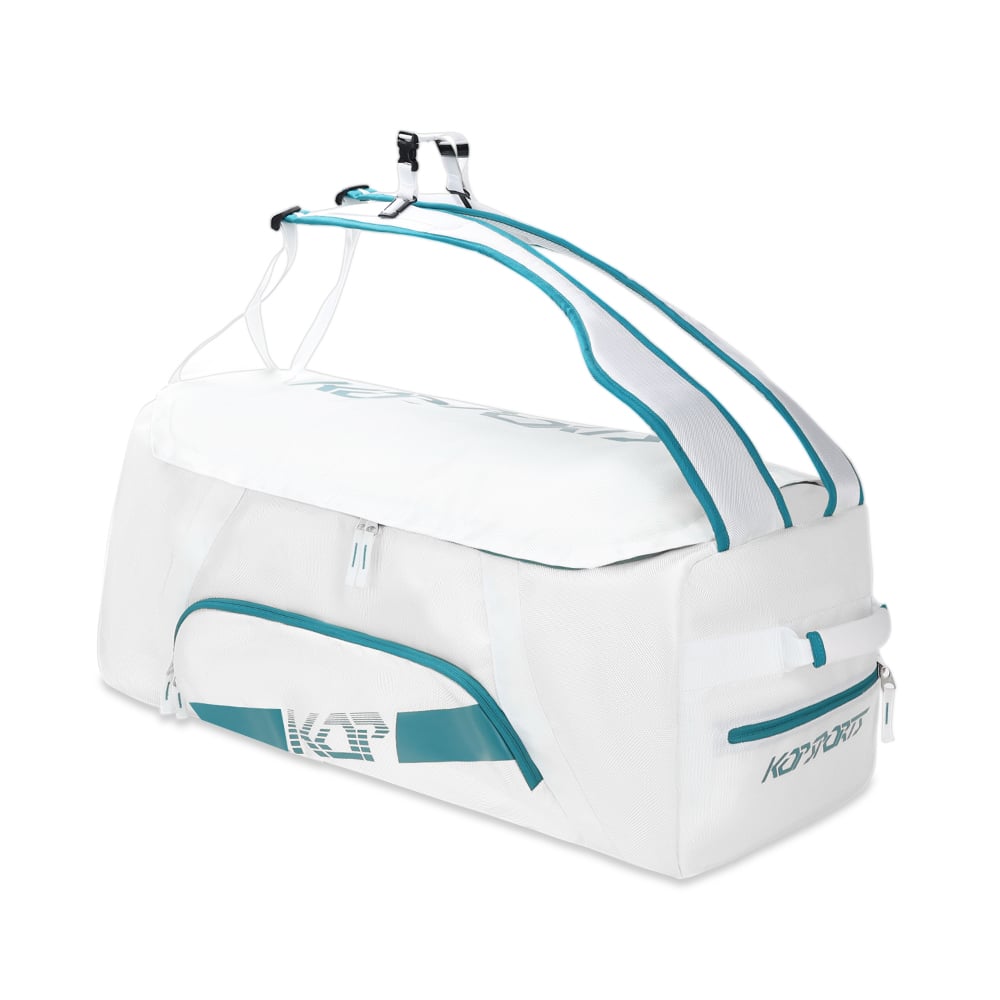
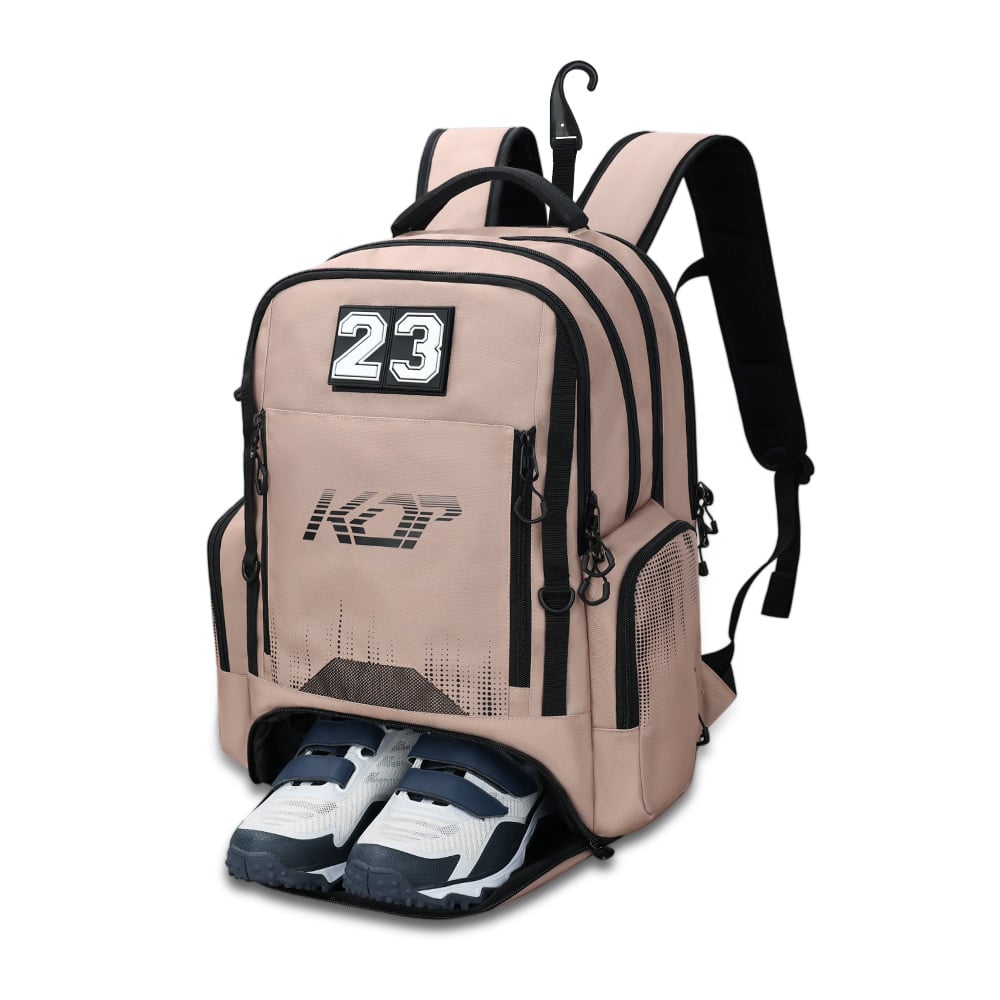
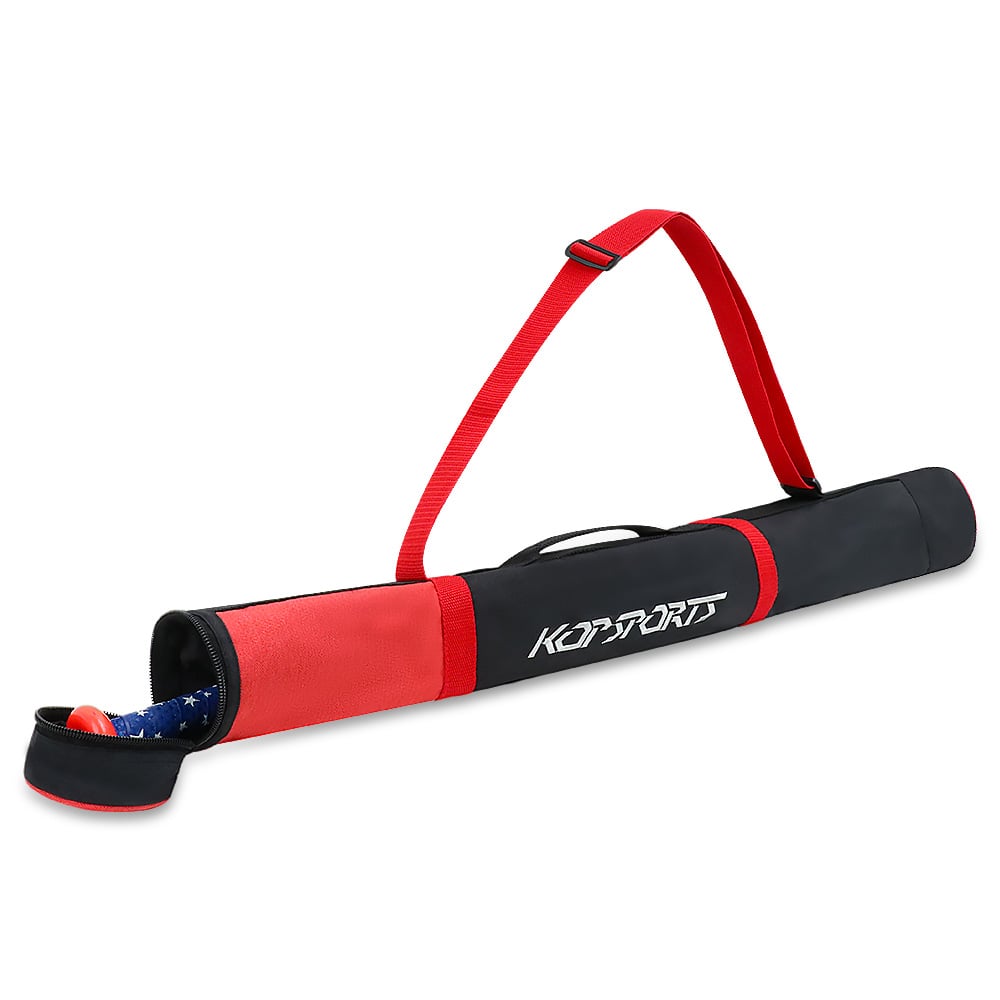
Strict quality control is easier to talk about than to run at scale. It needs trained workers, defined checkpoints, and the discipline to stop a line when a check fails. Kopsports runs a sports bag production line with thousands of skilled workers, annual output above six million pieces, and roughly forty percent wheeled bags. That kind of volume makes standardized testing and material control a practical routine rather than a special project. For buyers comparing suppliers, the useful question is not whether a factory claims quality control. It is whether the system is defined, repeated, and visible at the checkpoint level. A bag built under that system is not indestructible, and no test program can simulate every curb and trunk. What it does offer is predictability, which is what a sports bag buyer actually needs.

 EN

 Hot News