An oversized sports bag invites overpacking. That is the whole point of buying one. The trouble is that a large bag packed to the brim changes shape in ways a small bag never does. The bottom panel sags, the side walls bulge, the zipper line curves, and the load shifts toward whoever is carrying it. Structural stability is what keeps that shape from collapsing. It is not about making the bag rigid like a hard case. It is about controlling how the bag deforms under load. A bag that holds its shape distributes weight predictably. A bag that sags turns every step into a small fight with gravity.
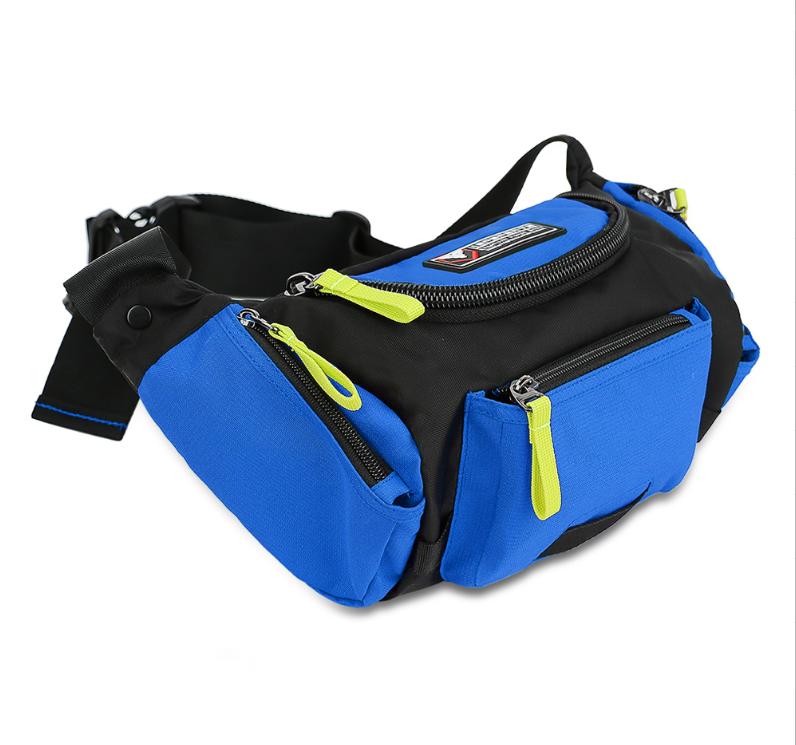
The base panel is the first structural element to think about. A single layer of fabric under a heavy load will stretch and sag into a pear shape. That sag moves the center of gravity outward and down, which increases the torque on the shoulder or the pull on the handle. A reinforced base with a semi rigid insert or a double-layer panel keeps the floor flat. Side walls are the second element. Unsupported side walls bulge outward when the bag is packed tight, which pulls the zipper into a curve and puts lateral stress on the seam. A stiffener or a structured seam at the side wall keeps the bag from turning into a balloon.
| Structural approach | Base behavior under load | Side wall behavior | Zipper line stability | Weight penalty |
|---|---|---|---|---|
| Single fabric base, no stiffener | Sags into pear shape | Bulges outward | Curves under load | Low |
| Double-layer base with PE board | Stays flat | Moderate bulge | Straight | Moderate |
| Framed base and side stiffeners | Stays flat and square | Holds shape | Straight and stable | Higher |
| Internal compression frame | Controlled flex | Holds under compression | Straight with tension | Moderate to high |
A big bag with poor weight distribution feels heavier than a smaller bag packed well. The reason is leverage. When heavy items sit at the bottom and the bag sags, the load hangs away from the body. That distance acts like a longer lever arm, and the shoulder pays for it. Compression straps and internal load panels pull the weight back toward the frame. A bag with a defined base and compression system keeps the mass close to the body, which reduces the swing and the pull. Capacity numbers on a spec sheet do not tell a buyer anything about this. A 90 liter bag that holds its shape can feel easier to carry than an 80 liter bag that sags.
At a bag plant in southern China, a run of oversized sports bags was tested with a 20 kg load packed to the top. The first samples showed a noticeable sag at the center of the base panel after a short carry test. The fabric was within spec. The problem was the base construction. A single layer of 600D polyester was carrying the full load with no stiffener. The line added a PE board between two layers of fabric and a bar tack at each corner of the board pocket. Sag dropped sharply, and the zipper line stayed straight under load. The fix added a small amount of weight, but it solved the structural failure that would have shown up in customer hands, not on a spec sheet.
Compression straps are often sold as a way to shrink a bag. Their structural role is more important than that. A well-placed compression strap pulls the load toward the back panel and keeps the bag from ballooning outward. Internal frames, whether a removable PE board or a light wire frame, give the bag a reference shape. The bag flexes around that shape instead of collapsing into a random form. The tradeoff is real. Frames add weight, and they can make a bag harder to fold flat when empty. Honest limits matter. No frame makes an oversized bag weightless, and no compression system fixes a load that is simply too heavy for the bag's construction. The goal is controlled deformation, not zero deformation.
Before release, every single bag should go through a standardized testing process paired with a strict quality control system. For an oversized bag, structural stability needs to be a defined test item, not a visual guess. A useful flow includes a loaded static hang test, a loaded carry test, a base sag measurement, and a zipper line check under full load. The quality system needs uniform, predefined assessments for material durability, craft accuracy, and structural stability. Industry references help set the frame. ASTM D5034 covers grab tensile strength of fabrics, and ISO 9001 sets requirements for a quality management system that can be audited and repeated. Those standards do not simulate every real bag, but they give buyers a way to judge whether a factory has a system rather than a promise. Kopsports runs a sports bag production line with thousands of skilled workers, annual output above six million pieces, and roughly forty percent wheeled bags. That scale supports repeatable structural testing and consistent base construction across large production runs, which is what an oversized sports bag actually needs when it is packed to the limit.

 EN





 Hot News