A loaded sports bag can weigh the same as a gym bag and still feel twice as heavy on one shoulder. The difference is not the number on the scale. It is how pressure spreads across the contact area. A narrow strap concentrates load on a small patch of the trapezius and deltoid. That patch goes numb before the bag feels heavy. A wider, contoured strap spreads the same load over more surface, so the muscle does not hit its pressure threshold as fast. This is why strap width and foam density matter more than most shoppers realize. The goal is not to make the bag lighter. The goal is to make the same weight less punishing on the shoulder over time.
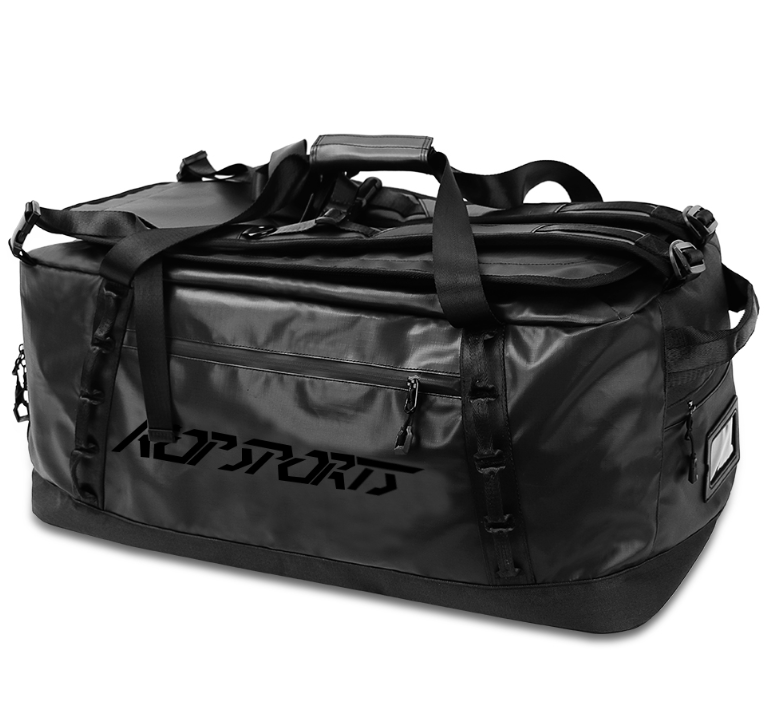
Strap width is the first variable. A 2 inch strap on a loaded sports bag is common, but a 2.5 to 3 inch strap with a contoured curve follows the shoulder line and reduces edge pressure. Foam density is the second. Soft open cell foam feels great in the store and compresses flat in a week. Higher density closed cell foam holds its shape and keeps the load spread. The third variable is the strap attachment angle. A strap that meets the bag at a steep angle pulls the bag into the armpit. A slight forward rake lets the bag sit behind the shoulder line, which reduces the lever arm on the neck. The table below compares common strap designs against pressure and fatigue outcomes.
| Strap design | Contact width | Foam behavior under load | Pressure distribution | Fatigue risk on long carries |
|---|---|---|---|---|
| Flat 2 inch webbing | Narrow | Compresses fast | Concentrated at edges | High |
| 2.5 inch contoured | Moderate | Holds shape longer | Spreads toward center | Moderate |
| 3 inch ergonomic with air mesh | Wide | Stays resilient | Even across shoulder | Low |
| Padded sling with cross body path | Variable | Depends on pad quality | Load moves to torso | Low to moderate |
Strap design only solves part of the problem. A loaded sports bag with a low center of gravity swings less and pulls less on the shoulder. A bag packed with heavy items at the bottom and light items on top feels more stable than the reverse. Internal compression straps help here. They pull the load toward the back panel, which reduces the pendulum effect during walking. A rigid or semi rigid base panel also stops the bag from sagging into a pear shape, which is what happens when the bottom fabric stretches under load. That sagging shape shifts weight outward and increases the torque on the shoulder. Compression and a stable base are not luxury features. They are fatigue controls.
A sports bag that presses hot, damp fabric against the back feels heavier than the same load in a cooler bag. Heat and moisture raise perceived effort. A back panel with air mesh and a slight channel between padding zones lets air move and reduces the sweaty patch. That does not change the physical load, but it changes how long the bag feels comfortable. A ventilated back panel also dries faster after a session, which keeps the bag from gaining moisture weight over time. Small details like a padded top handle and a sternum strap option can also help. A sternum strap moves part of the load from one shoulder to the torso, which is useful on longer walks from parking to field.
At a bag plant in southern China, a run of loaded sports bags was tested with a shoulder fatigue protocol that cycled a 12 kg load for 30 minutes on a walking treadmill. The first samples used a 2.5 inch strap with thick soft foam. Testers reported edge pressure at the strap border after 15 minutes. The foam was thick, but the strap edge was hard because the binding tape was too stiff. The line changed to a softer binding, added a rolled edge, and switched to a slightly denser foam. Edge pressure dropped without increasing strap thickness. That case is a reminder that fatigue is often an edge problem, not a bulk problem. A strap can have plenty of foam and still dig in if the border is stiff.
Before release, every single bag should go through a standardized testing process paired with a strict quality control system. For shoulder comfort, that means more than a quick try on. A useful test flow includes loaded static hang tests, dynamic walking tests, strap pull checks, and seam slip checks at the attachment points. The quality system needs uniform, predefined assessments for material durability, craft accuracy, and structural stability. Human wear trials still matter because pressure comfort is subjective. A lab test can measure force distribution with a pressure mapping sensor, but it cannot fully predict how a strap feels after two hours. Honest limits matter. No strap design makes a heavy bag weightless. The goal is to delay fatigue, not eliminate it. A sports bag built for long carries should combine wide contoured straps, dense foam, a stable base, and a ventilated back panel. Kopsports runs a sports bag production line with thousands of skilled workers, annual output above six million pieces, and roughly forty percent wheeled bags. That scale supports consistent strap construction and repeatable comfort testing across production runs.

 EN



 Hot News