A basketball that sits in a closed bag after practice comes out slick, and that slickness is not just surface moisture. A leather or composite ball absorbs sweat through its seams and pores, and a sealed compartment traps that moisture against the surface. The result is a ball that feels greasy, picks up dust, and loses the tack that makes handling predictable. A ventilated ball compartment changes that equation. It keeps the ball separated from wet towels and shoes, and it lets vapor escape instead of recirculating inside the bag. For anyone who has pulled a ball out of a gym bag and felt that cold, clammy texture, the benefit is immediate. The ball still needs to be wiped down, but the compartment stops the bag from making the problem worse.
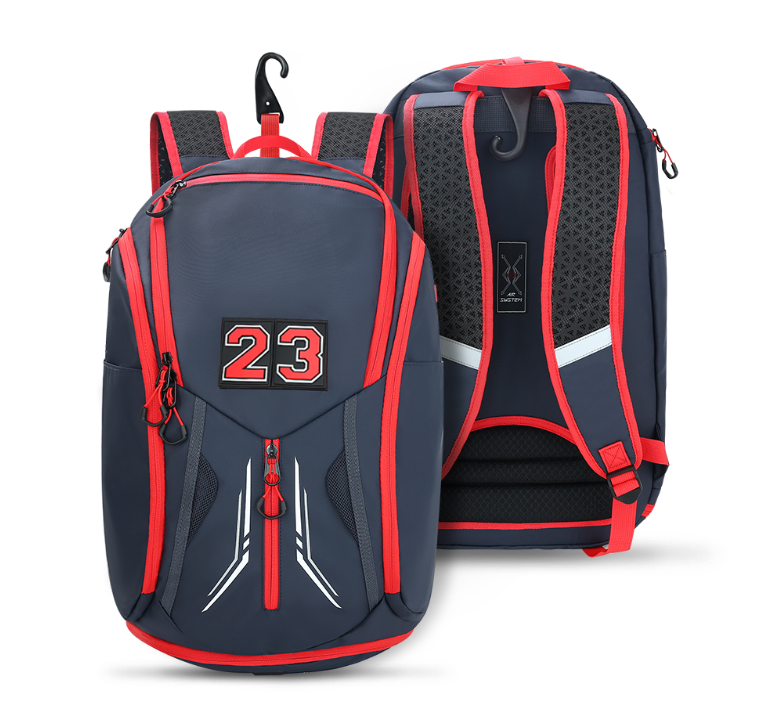
A basketball is a pressure vessel wrapped in a textured cover. Heat and trapped moisture affect both. A ball left in a hot, sealed bag can see pressure creep upward, and a moist cover loses friction. Ventilation helps on two fronts. First, moving air carries moisture away from the cover, so the surface stays drier between sessions. Second, a ventilated pocket tends to run cooler than a sealed one, which reduces the pressure swing that comes with a bag sitting in a car trunk. Neither effect is dramatic on its own, but together they keep the ball closer to the condition it was in when it left the court. A ball that holds its grip and pressure is easier to trust during a shootaround, and it lasts longer before the cover starts to feel worn.
The most common failure in a basketball bag is not the ball compartment itself. It is what happens when the ball shares space with shoes, a damp towel, and a half empty water bottle. Grit from court floors works into the ball cover and the bag lining. Moisture from a towel migrates to whatever is nearby. A dedicated ventilated ball compartment creates a physical boundary. The ball no longer presses against a wet towel or sits in a puddle at the bottom of the main compartment. That separation also protects the rest of the kit. A muddy ball does not transfer dirt to a clean jersey, and a damp ball does not raise humidity around shoes that are trying to dry. The compartment is a small design choice with a wide effect on the whole bag.
Not every mesh pocket ventilates. A mesh panel pressed against a solid back panel does little, because air has nowhere to go. Useful ball compartments share a few traits. Mesh appears on at least two sides, so air can move through rather than sit. The base is wipeable, so grit and moisture do not soak into foam. The zipper opens wide, which allows the ball to be placed and removed without forcing it through a tight opening. A drain or a breathable base helps if a bottle leaks nearby. The ball compartment also needs to be sized so the ball does not wedge against the zipper. A ball under compression distorts, and a distorted ball rolls unpredictably. Ventilation is a system of openings, surfaces, and fit, not a single mesh patch.
| Ball compartment design | Airflow | Moisture control | Grit protection | Practical result |
|---|---|---|---|---|
| Sealed pocket inside main bag | None | Poor, traps vapor | Low | Slick ball, damp kit |
| Single mesh panel against solid wall | Low | Limited | Medium | Some improvement, inconsistent |
| Ventilated pocket with mesh on two sides | Good | Good | High | Drier ball, cleaner gear |
| Ventilated pocket plus wipeable base and wide zip | Best | Best | Best | Ball stays playable, bag stays cleaner |
A youth club in the Pacific Northwest dealt with a recurring complaint during a wet winter season. Players were arriving at practice with balls that felt slick, and coaches were wiping them down before every drill. The bags were not cheap, but the ball sat in the main compartment next to wet shoes. A switch to bags with a ventilated side ball pocket changed the routine. Balls came out drier, and the pre-practice wipe-down dropped to a quick check. The club also noticed less odor in the main compartment, because the damp ball was no longer raising humidity around everything else. The lesson was not that ventilation solves every problem. It was that separating a moisture source from the rest of the load made the whole bag work better.
A ventilated pocket only helps if it is built the same way in every unit. Mesh quality, seam placement, and zipper alignment all affect airflow and durability. A mesh panel that tears at the seam or a zipper that binds at the curve turns a good idea into a weak point. Standardized testing before release matters here. Checks for material durability, craft accuracy, and structural stability should cover the ball pocket as carefully as the main compartment. Airflow is difficult to test directly, but mesh strength and seam integrity can be assessed against defined criteria. Kopsports supports that consistency through high-volume basketball bag production, dedicated wheeled bag lines, and standardized testing before release. A ventilated ball compartment is a simple feature. Making it reliable across a full roster is the harder part, and that is where repeatable assembly and quality control earn their place.

 EN




 Hot News