A lacrosse bag takes a beating that few sports bags see. Sticks, helmets, pads, cleats, water bottles, and a season's worth of grit all press against the same seams every practice. The weak point rarely shows up in the showroom. It shows up at the bottom of an equipment cart, after a wet Saturday, when a shoulder strap seam starts to grin. Strict quality inspections are not a cosmetic step at the end of the line. They are the only practical way to catch seam problems before a heavy gear load turns a small stitch skip into a full split. For any lacrosse bag program, seam checks have to follow the load path, not just the visible stitching.
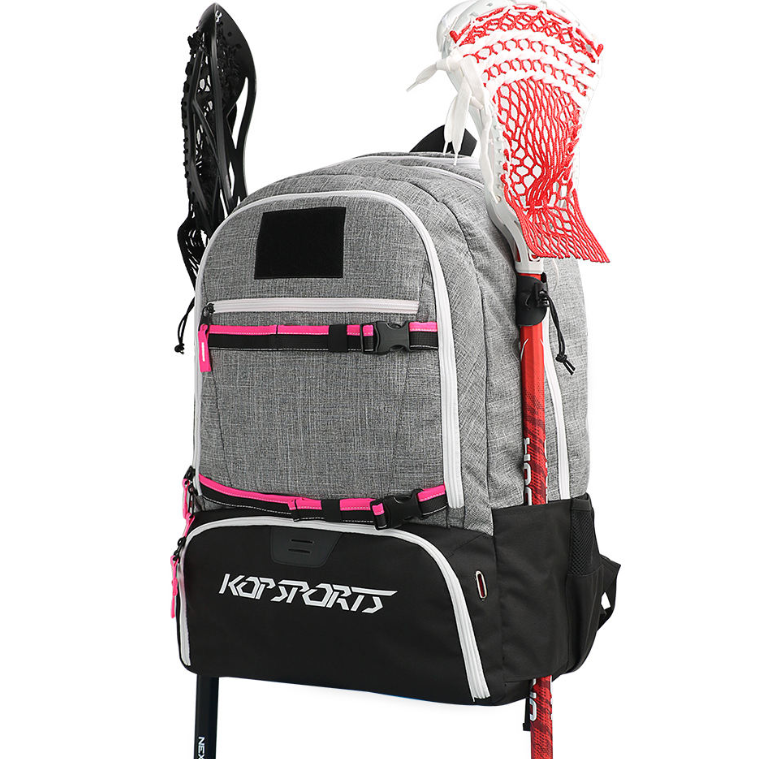
A quick pass under a shop light will miss more than it catches. A useful release check combines a lighted seam audit, a calibrated pull test on sampled bags, and a loaded drop routine that mimics how a lacrosse equipment bag actually travels. Inspectors look for stitch density, bartack length, seam allowance, needle cuts, thread tension, and any spot where webbing meets coated fabric. The check also follows the load path: shoulder anchor, handle wrap, wheeled base, zipper end, and bottom panel. One skipped stitch in a high-stress box X can cost more seam strength than a cosmetic flaw on a side pocket. The goal is not to make every bag look perfect. The goal is to keep a heavy gear load from finding the one seam that was never fully locked.
A seam is only as good as the materials around it. Thread, webbing, coating, and fabric weight all move together under load. A light polyester shell with a thin coating can work for casual gear, but a wheeled lacrosse bag that gets dragged across pavement and stacked in a trailer needs a tighter weave, stronger webbing, and a coating that will not crack at a fold. Hydrolysis and UV exposure also matter. A bag stored in a hot car or a damp equipment room can lose coating flexibility long before the fabric looks worn. Material testing should include grab tensile per ASTM D5034, seam slippage per ASTM D1683, and seam tensile per ISO 13935-2. Those checks do not replace a line audit. They give the audit a baseline.
A lab pass on one sample does not prove a production day. Batch data helps show whether the process is stable. The table below uses representative inspection points and typical release actions from a 500 bag run. The numbers are not a marketing claim. They are a way to connect a test result to a decision on the floor.
| Inspection point | Method | Batch target | Common miss | Release action |
|---|---|---|---|---|
| Shoulder strap box X | ASTM D5034 grab tensile plus seam pull on sampled bags | 90% of lab seam strength retained after 500 flex cycles | Loose thread tail hiding a skipped stitch | Hold lot, re-sew, re-test |
| Main zipper end | Cyclic open and close under 25 lb load | No seam pull after 2,000 cycles | Needle cut at zipper tape edge | Reject affected units |
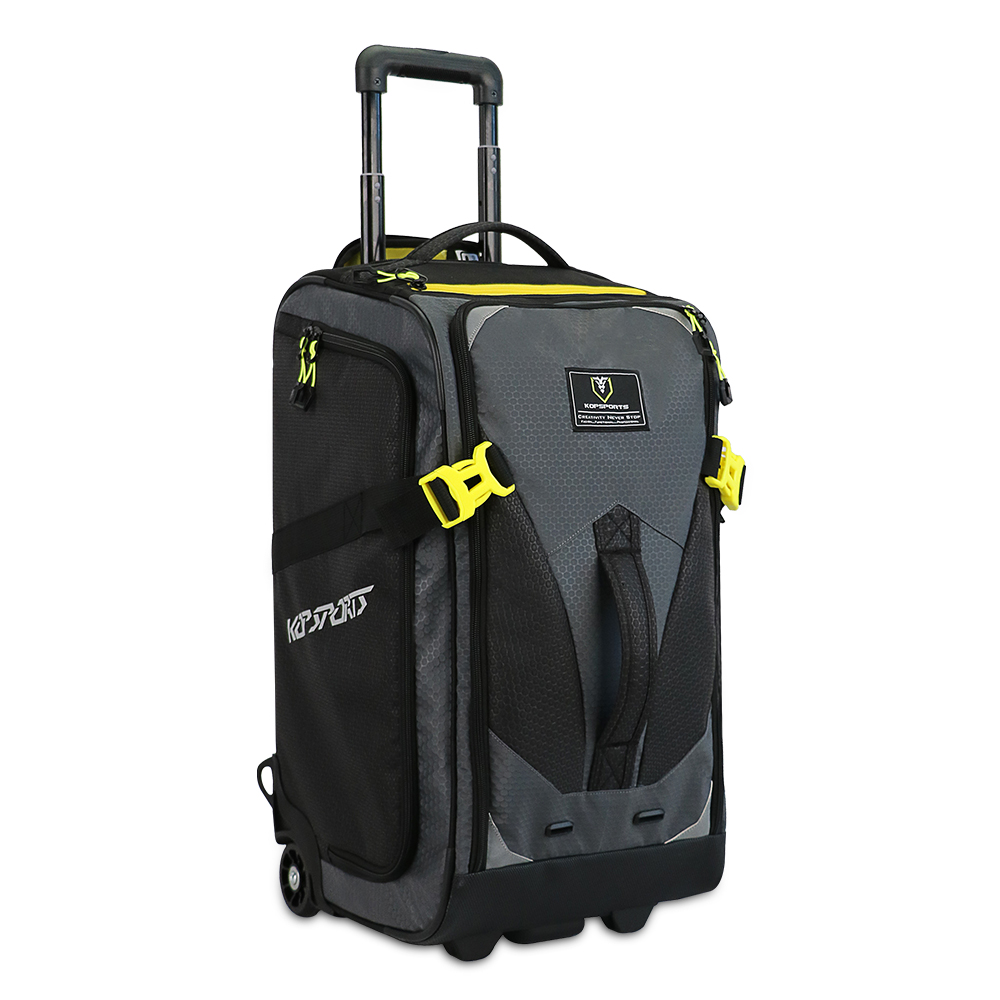
| Wheeled base seam | Loaded drop with 40 lb gear load, 30 drops | No visible seam opening | Coating cracked at fold line | Review material lot and seam allowance |
| Handle anchor | Static pull, 150 lb for 60 seconds | No stitch rupture | Bar tack too short | Adjust bar tack pattern |
At a college club equipment room in the Pacific Northwest, a batch of lacrosse equipment bags was pulled after a wet spring season. The bags had been loaded with helmets and pads, then stacked in a trailer. A seam inspector found stitch chaining at the end of two shoulder strap anchors. The seam had not failed yet, but the thread tail was ready to run. A 10 minute check per bag turned into a lot hold. The fix was not a new material. It was a tighter end-of-seam backtack and a needle change schedule. That case is a useful reminder: field loads find the small process drift that a quick visual check misses.
A lab result proves a sample, not a production day. The release gate is where process control becomes real. Every bag should pass a standardized testing process with a strict quality control system before release. That does not mean destructive testing on every unit. It means a defined check for material durability, craft accuracy, and structural stability, with a clear hold rule when a seam does not meet the mark. The honest limit is that no inspection can prove a bag will never fail. What a good system can do is catch the drift early: a new thread lot, a dull needle, a shorter bartack, a coating batch that folds differently. KOP pairs that release discipline with serious scale, including annual output above 6,000,000 pieces, about 40% wheeled bags, thousands of skilled workers on sports bag lines, and a specialized roller equipment bag facility built around durable materials and heavy-duty construction.

 EN





 Hot News