A softball bag rarely fails when it is half empty. The real test comes when it is packed with a helmet, cleats, batting gloves, water bottles, a first aid kit, and a spare jersey, then zipped shut with a knee on the lid. At that point the zipper is not a trim detail. It is a structural closure holding back outward pressure along a curved seam. Heavy-duty #10 zippers prevent blowouts because they add chain width, larger elements, a stronger slider, and usually a wider tape that spreads load into the fabric. That combination matters more than a single strength number. A #10 zipper does not make a softball bag indestructible, but it removes the most common weak point in a packed bag.
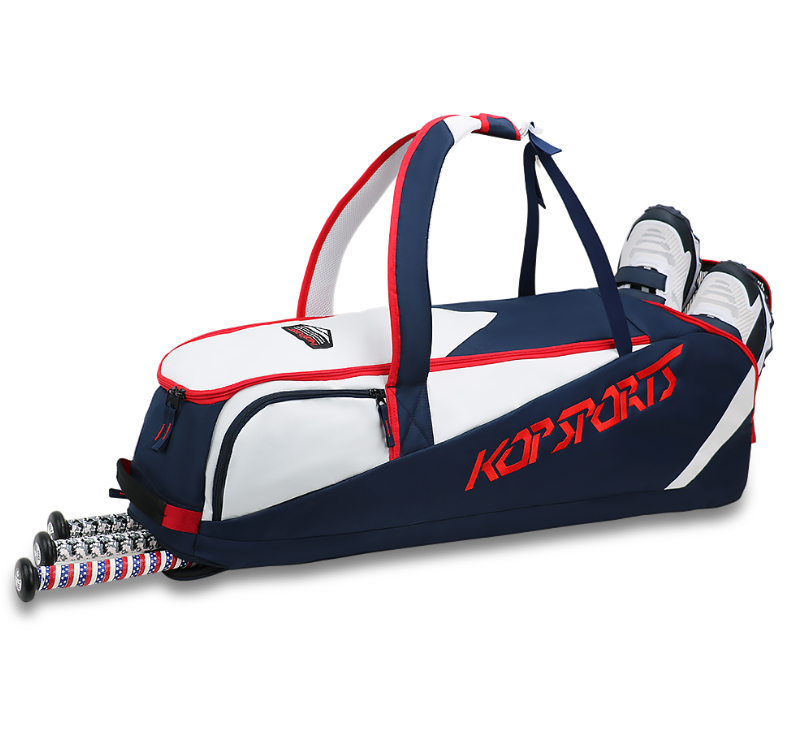
Zipper size is not cosmetic. The number refers to the nominal chain width in millimeters when closed, so a #10 sits around 10 mm across the interlocked elements. A #8 is narrower. The wider chain on a #10 gives each element more engagement area and lets the slider bridge the seam with less spread under side load. The tape is usually wider too, which gives stitching more rows and more fabric to grab. On a stuffed softball bag, side load tries to peel the chain apart at the slider. A #10 slider with a locked body and a deeper channel resists that spreading better than a lighter slider. The tradeoff is weight and cost, and a #10 can feel stiff on tight curves if the pattern is not adjusted.
Most zipper failures do not begin in the middle of the chain. They start at three places:
The slider, where the chain is forced apart by outward pressure.
The tape stitch line, where the zipper is sewn to the bag body.
The end stop or curve, where the slider is asked to turn under load.
A fully stuffed softball bag puts repeated stress on all three every time the bag is lifted, dropped, or shoved into a car. If the tape is narrow or the stitch density is low, the fabric yields before the chain does. If the slider is light, the chain can spread and skip teeth. A #10 zipper helps, but only when the tape, stitching, and pattern are matched to it.
Zipper strength is measured in several ways, not one. ASTM D2061 covers strength tests for zippers, including pull-off and top stop tests. A practical release program also checks slider pull, chain crosswise strength, tape seam strength, and reciprocating cycles with the bag loaded. The table below shows a shop floor comparison between a light zipper and a heavy-duty #10 setup on a packed softball bag. Values are example targets, not universal limits.
| Check | Light #8 setup | Heavy-duty #10 setup | Why it matters on a packed bag |
|---|---|---|---|
| Nominal chain width | About 8 mm | About 10 mm | Wider chain resists slider spread |
| Tape width | 25 mm | 30 to 32 mm | More room for double stitching |
| Stitch rows on tape | 1 row | 2 rows | Load spreads into fabric |
| Slider body | Standard | Locked, deeper channel | Less chain skip under side load |
| Crosswise chain strength | Baseline | Higher target | Better resistance to seam peel |
| Loaded cycle test | 2,000 cycles | 5,000 cycles target | Checks real overpacking abuse |
These numbers are not a guarantee. A #10 zipper sewn with poor tension or a dull needle can fail earlier than a well-built #8. The test has to match the actual bag, load, and seam.
A useful case came from a rainy tournament weekend in the Midwest. A batch of softball bags was packed with helmets, cleats, soaked towels, and two water bottles per bag. Players were zipping and unzipping between games, often with the bag overstuffed. Several bags split at the slider, and teardown showed the chain had spread before the tape failed. The stitch line was also elongated because the tape was narrow for the load. The fix was not just a bigger zipper. The supplier moved to a #10 chain, widened the tape, added a second stitch row, and changed the curve at the top corner so the slider had a cleaner path. Follow-up field samples held up better, though bags that were deliberately overloaded still showed wear at the end stop. That limitation is worth stating plainly. A #10 zipper reduces the risk of blowouts, but it does not replace sensible packing.
Fabric tests alone can miss a zipper blowout because the failure is a system problem. The chain, slider, tape, stitch, and bag pattern all share load. A standardized testing process should include a loaded zipper cycle, a slider pull test, and a visual check for tape distortion after cycling. A strict quality control system should also verify that the zipper lot matches the approved spec, because mixing a #10 chain with a light slider can erase the benefit. Kopsports runs a standardized testing process with a strict quality control system before release, backed by an annual output of more than 6,000,000 pieces and 40% wheeled bags, with a dedicated roller equipment bag facility. That scale helps keep zipper specs, stitch settings, and test records tied to each production lot. For a fully stuffed softball bag, the difference between a blowout and a clean season often comes down to whether the closure was treated as a structural part from the start.

 EN



 Hot News