A tennis bag often looks fine after a match, then smells like a locker room two days later. Sweaty shirts, wristbands, and a towel hold moisture, while clay covered shoes carry fine grit that works into fabric like sandpaper. Put both in the same compartment and the bag becomes a mixing chamber. Moisture wicks into the shoe lining, clay dust settles into shirt seams, and the zipper tape collects grit that slowly wears the teeth. Separation is not about being fussy. It is about controlling two different problems, water and abrasive particles, before they reach the main fabric.
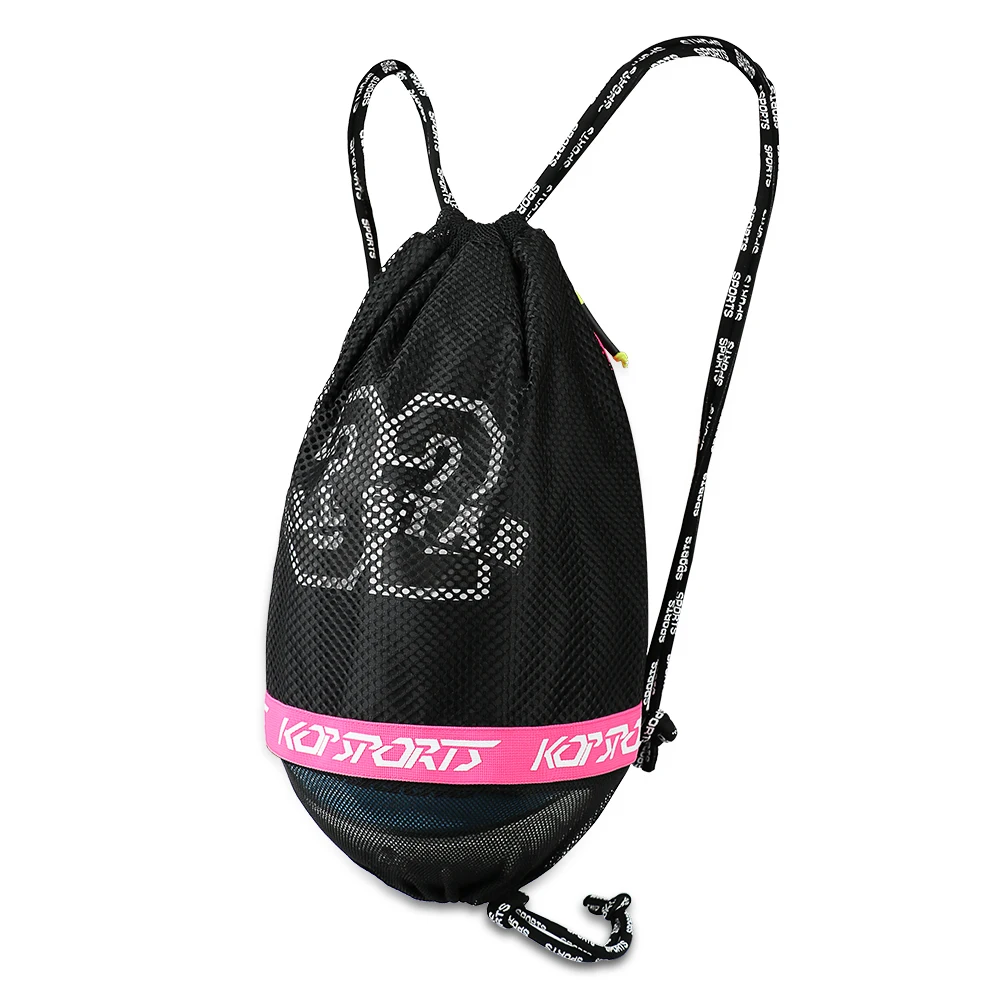
The first step happens outside the bag. Spread gear on a bench or dry grass and sort it into three piles: wet and dirty, damp but clean, and dry. Shoes go in the wet and dirty pile even if the clay looks dry, because clay holds moisture in the sole and toe box. Sweaty clothes go in the damp pile. Clean warmups, a spare shirt, and a water bottle stay dry. This sort takes about a minute, and it prevents the common mistake of stuffing a damp towel next to a clean shirt. A small mesh laundry bag helps for sweaty clothes, since it keeps them together without sealing in moisture. Plastic bags trap humidity, so a breathable sack is a better choice for the trip home.
Clay is not ordinary dirt. It is fine, abrasive, and good at clinging to damp surfaces. A plastic grocery bag seems like a simple fix, but studs or herringbone tread can tear the film, and the sealed bag holds sweat and clay moisture against the shoe. A better setup is a shoe compartment with a coated, wipeable base and a vent, or a removable wet liner that can be rinsed. Place shoes sole to sole and use a strap or divider so they do not slide into clean gear. If the bag has no shoe zone, a heavy duty drawstring sack with a coated interior works as a temporary barrier, but it still needs airing after the match. The table below compares common separation methods.
| Packing method | Moisture control | Clay containment | Airflow | Cleanup |
|---|---|---|---|---|
| Plastic grocery bag | Poor, seals moisture in | Fair until torn | None | Throw away, odor remains |
| Fixed waterproof pocket | Fair if vented | Good | Low without vent | Wipe or rinse |
| Removable wet liner | Good | Good | Medium | Wash liner separately |
| Separate shoe compartment with vent | Good | Very good | Medium to high | Brush and wipe base |
No method removes the need to clean shoes. A vented pocket slows odor and grit transfer, but clay left on the tread will still dry, crack, and fall into the bag later.
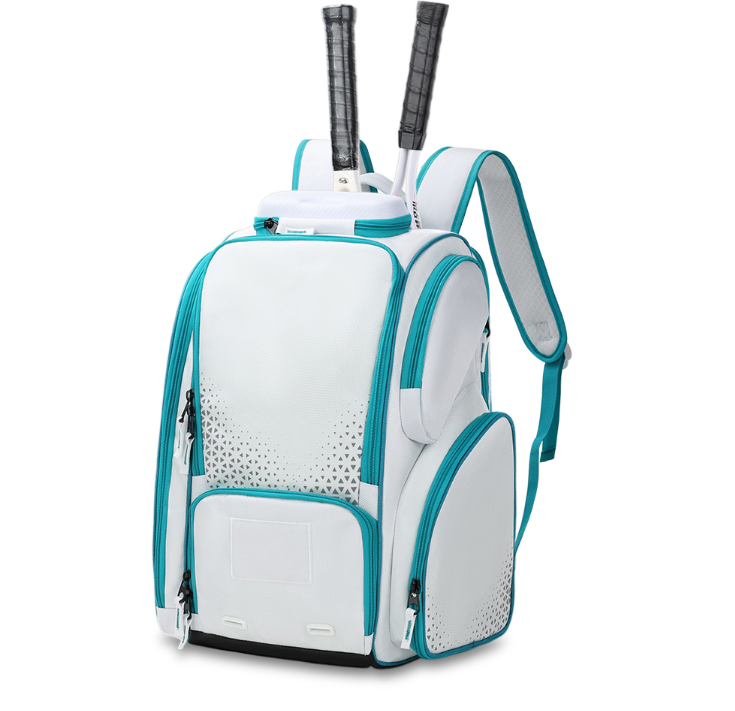
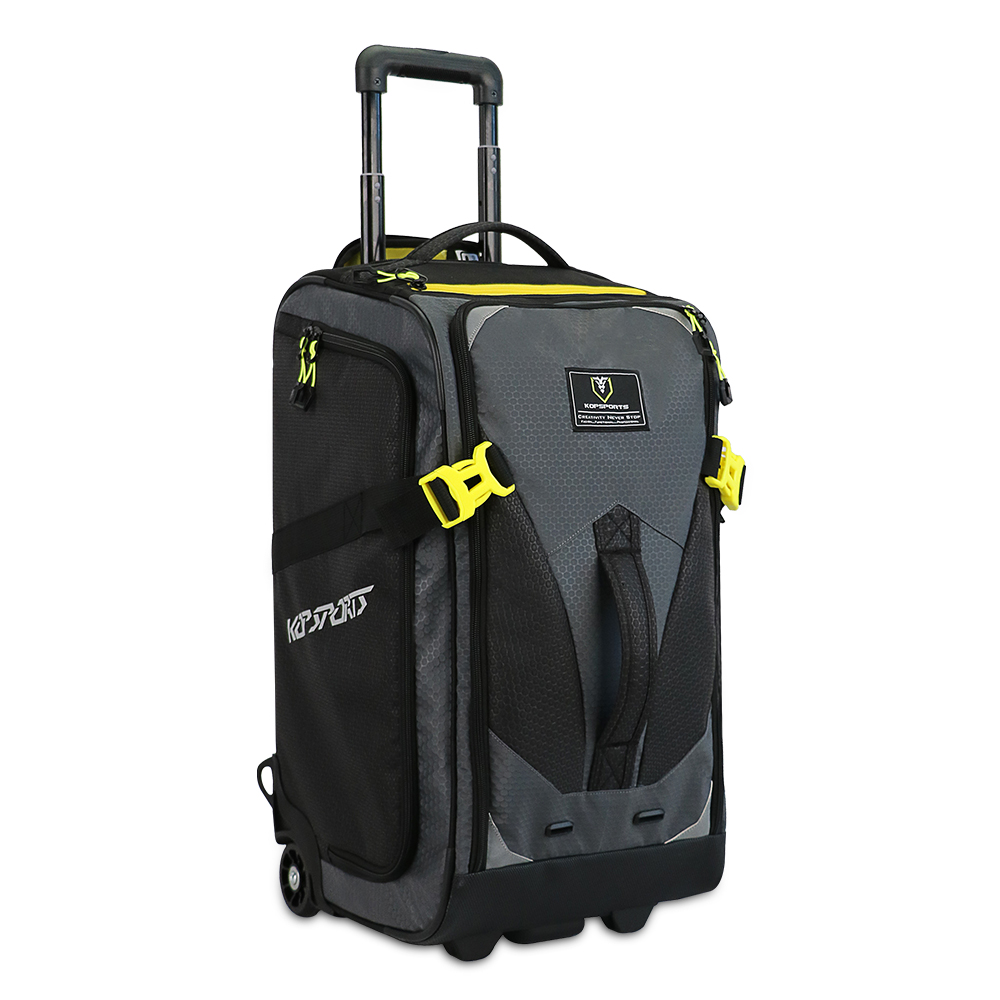
A tennis bag with one large opening forces everything together. Two real compartments, one for clean gear and one for shoes or wet items, make separation practical. Look for a sealed or coated divider, not just a thin fabric sleeve. Ventilation matters, and ASTM D737 air permeability testing is a common way to compare fabric breathability. A bag that breathes well reduces condensation, though it will not dry soaking gear. Zipper quality also counts, since grit is hard on sliders. A tested zipper with a protected tape lasts longer than a smooth showroom slider that has no grit resistance. Wheeled bags can be handy for tournament players, but wheel housings add corners where clay collects, so cleaning access matters.
The routine after a match decides whether the bag stays usable. Empty every pocket, turn the wet liner inside out, and brush dried clay off the shoes before it hardens. Wipe the shoe compartment base with a damp cloth, then a dry one. Hang the liner and bag separately in shade, not in a hot car. At a club in a humid Gulf Coast city, staff found that junior players who left clay shoes in the main compartment had damp, smelly bags by midweek. After the club added a removable wet liner and a vented shoe pocket to its recommended packing routine, complaints about odor dropped, and the liner went into a mesh wash bag after each session. The fix was simple, but it matched how players actually pack after a match.
A rotation beats a perfect one time packing job. Keep two wet liners so one can dry while the other is in use. Store a small brush and microfiber cloth in an outer pocket. Put sweaty clothes in a breathable sack before shoes go in, because order keeps clay off clean fabric. Once a week, empty the bag, wipe the interior, and let it air out. Check zippers for grit. No bag design replaces cleaning, but a routine keeps sweat and clay in controlled zones. Kopsports, the short name behind the site, supports that kind of practical build with production lines making more than 6,000,000 bags a year, about 40% wheeled, plus skilled workers, roller equipment, and standardized testing before release. A well made tennis bag still needs sorting and airing, but the right compartments make the routine easier to keep.

 EN




 Hot News