A closed basketball bag is a small climate chamber. Sweat from sneakers, socks, and shin guards does not just dry out. It soaks into lining, foam, and mesh. Bacteria and fungi break down the organic material in sweat and produce the sour, ammonia-like smell that hits when the zipper opens. The problem is not the shoe alone. It is the combination of moisture, warmth, food for microbes, and lack of airflow. A bag that seals tight and sits in a hot car gives that mix exactly what it needs. Preventing odor spread starts with breaking one link in that chain, and moisture is the easiest link to attack.
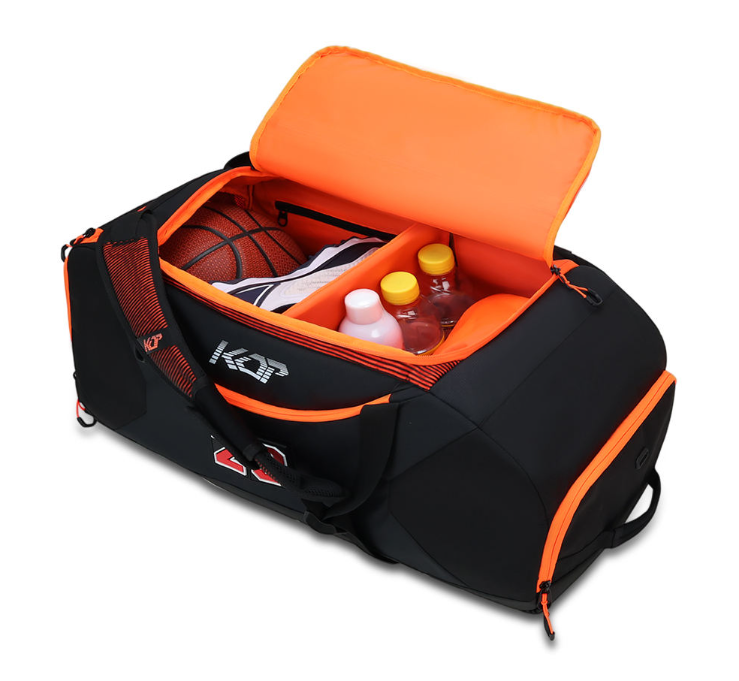
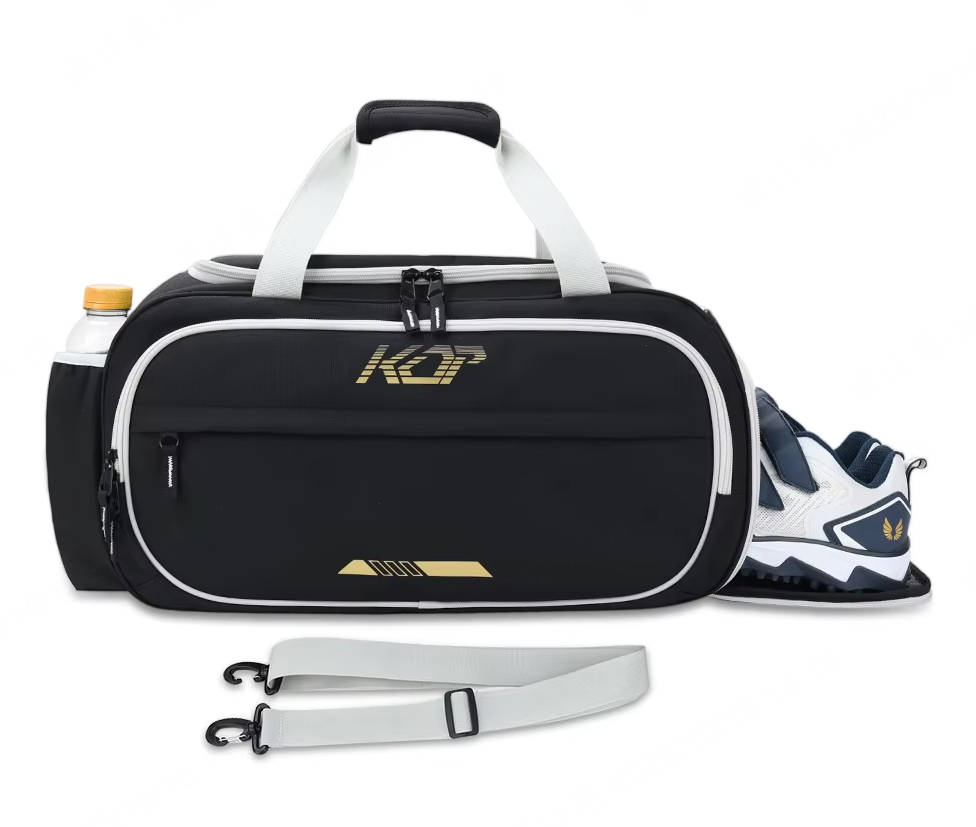
The fastest way to spread sneaker odor through a basketball bag is to drop wet shoes into the main compartment. Cleats, jerseys, towels, and a water bottle share that space. Odor molecules and spores move with air and land on fabric. A ventilated shoe compartment does two jobs. It keeps the dirty, damp source away from clean gear, and it lets vapor escape instead of recirculating. Mesh panels help, but mesh alone is not enough if the compartment sits against a solid back panel. Look for a shoe zone with mesh on at least two sides, a wipeable floor, and a zipper that opens wide enough for air to move. A drawstring shoe bag inside the main bag is better than nothing, but it still traps vapor against jerseys. The separate zone needs to breathe, not just exist.
Linings matter more than most shoppers think. A nonporous polyester lining with a tight coating can wipe clean, but it also holds condensation against the shoe. A breathable mesh or a lining with moderate moisture vapor transmission lets damp air move away. ASTM E96 is one standard used to measure water vapor transmission through materials, and it gives a useful way to compare linings beyond feel. For antimicrobial claims, AATCC TM100 is a common test for antibacterial finishes on textiles. Those tests do not promise an odor-free bag. They simply show whether a material manages moisture or fights microbes under defined conditions. A tight coating can feel dry to the hand, yet still trap moisture in the foam underneath. A bag that combines a wipeable base, breathable side panels, and a smooth zipper is more realistic than a bag that relies on one fancy coating.
| Layout or material choice | Airflow around shoes | Cleaning access | Relative odor risk after a full day |
|---|---|---|---|
| Single main compartment | Low | Poor | High |
| Mesh shoe sleeve inside main bag | Medium | Fair | Medium |
| Separate ventilated shoe compartment | High | Good | Low |
| Ventilated compartment plus removable moisture absorber | High | Good | Lowest |
Socks, wristbands, and towels carry as much sweat as sneakers. A wet towel rolled into the main compartment keeps humidity high for hours. A damp towel left in a closed bag overnight can raise humidity enough to keep the shoe zone from drying. Water bottles add another problem. A slow leak or condensation from a cold bottle can dampen the lining and create a microbial nursery. The fix is simple but easy to skip. Put socks and towels in a small washable bag. Keep the bottle upright in an isolated sleeve. Use a removable moisture absorber in the shoe zone, and replace it when the indicator changes. Activated carbon can help with existing odor, but it does not fix a wet bag. The source has to be controlled first.
Most players pack in a hurry. A system that needs careful folding and perfect placement will fail by the second week. The routine has to work in a parking lot with one hand. Here is a sequence that holds up. 1. Shoes go into the ventilated side zone before socks come off. 2. Socks and towel go into a washable pouch. 3. The bottle goes upright into its sleeve. 4. The bag stays open in the trunk or garage for an hour after practice. 5. The shoe zone gets wiped once a week and the moisture absorber gets checked. A high school program in coastal South Carolina saw this play out during a wet spring season. Shoes went straight into the main compartment after practice, and by Monday the bag smelled like sour laundry. The staff moved shoes into a ventilated side compartment, added a removable moisture absorber, and switched to a wipeable lining. The smell did not vanish overnight, but the Monday morning punch faded within a few weeks. The point is not perfection. It is a repeatable habit that takes less than a minute.
A good layout only works if every unit is built the same way. Pocket dimensions, zipper placement, mesh quality, and lining seams all affect airflow and cleaning. A zipper that binds or a seam that traps water turns a smart design into a smell trap. Reinforced stitching at stress points and water-resistant lining in wet zones are small details that decide whether the system survives a season. This is where production consistency matters. Kopsports runs high-volume bag output with standardized testing before release, covering material durability, craft accuracy, and structural stability. That kind of control helps keep a basketball bag with separate shoe zones, bottle sleeves, and clean kit sections reliable across a full roster, not just on a sample table. The goal is not a complicated bag. It is a bag where the ventilation, lining, and zipper behave the same way after months of gym floors and parking lots.

 EN



 Hot News