Goalkeeper gloves are the most temperamental item in any soccer bag. The latex palm that provides grip is sensitive to heat, dirt, and abrasion, and tossing a pair into the main compartment alongside cleats and a water bottle is a fast way to shorten their useful life. A dedicated glove pocket, ideally ventilated and lined with a soft material, keeps the palms away from zipper teeth and grit. It also gives the gloves a chance to air out between sessions. Players who stuff gloves into the bottom of a bag often find the latex stiff and tacky by the next training day. A separate space is not a luxury. It is basic protection for the piece of gear that decides how well a keeper can catch a ball.
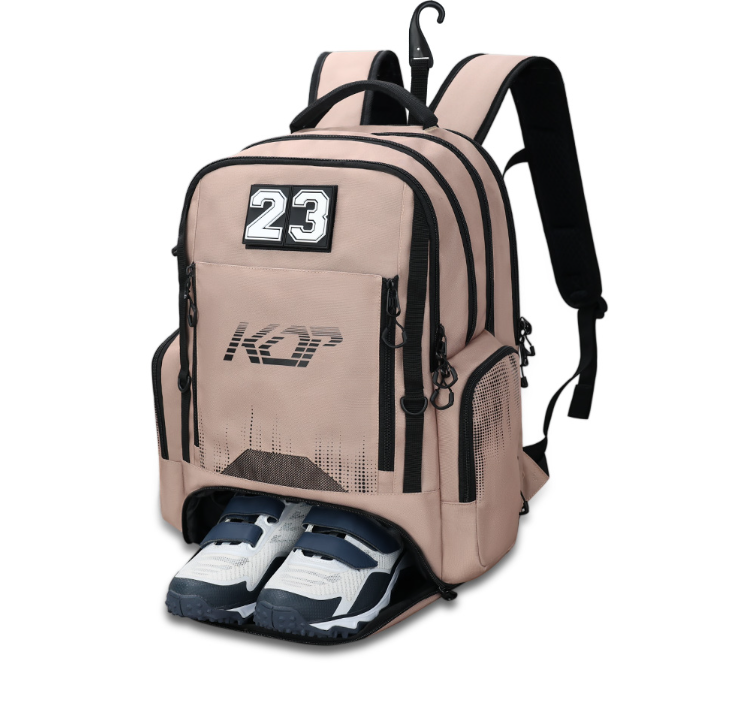
Jerseys have the opposite problem from gloves. They need to stay clean and dry, but they share a bag with items that are neither. Muddy cleats, damp towels, and sweaty shin guards all sit within inches of a match shirt. The solution is a layout that separates clean from dirty at the design level. A soccer bag with a dedicated clean section, often a mesh-lined compartment or a separate top pocket, lets a player pack a fresh kit the night before without worrying about what else is in the bag. Rolled jerseys take up less space and wrinkle less than folded ones, and keeping them in a distinct zone makes the morning routine faster. The same zone can hold socks and shorts, so the full kit stays together.
Water bottles are heavy, they leak, and they sit next to gear that should stay dry. A bottle that tips over in a bag can soak a jersey, ruin a pair of gloves, and leave the whole bag smelling like stale sports drink. The fix is a bottle pocket that holds the container upright and isolates it from fabric. Side pockets with elastic or insulated lining work well because they keep the bottle vertical and accessible without opening the main compartment. Insulation helps on hot days, but the more important function is containment. A bottle that stays upright and separated from clothing prevents the kind of slow leak that goes unnoticed until a player pulls out a damp shirt before a match.
Most players pack in a hurry, often in a parking lot or a locker room with limited space. A layout that requires careful folding and precise placement will not survive that reality. The better approach is a bag with clear zones that accept gear quickly and keep it in place. Here is a rough comparison of how common layouts handle the three core items:
| Layout approach | Gloves | Jerseys | Hydration | Practical result |
|---|---|---|---|---|
| Single open compartment | Mixed with cleats, exposed to grit | Prone to moisture from other items | Bottle rolls freely | Frequent damage and damp kit |
| Basic divider | Sometimes separate, often crowded | Better, but still near wet gear | Side pocket if present | Workable but inconsistent |
| Zoned design with dedicated pockets | Ventilated glove pocket | Clean zone away from wet items | Upright insulated bottle pocket | Gear stays usable and organized |
The difference between the middle and bottom rows is not dramatic on paper. It shows up on a rainy Tuesday when the bag has been in a car trunk and the keeper needs dry gloves and a clean shirt in fifteen minutes.
During a regional youth tournament in the Pacific Northwest, a goalkeeping coach watched a familiar scene unfold. Players were arriving at the field with gloves that had been crushed under water bottles and jerseys that smelled of last night's damp towel. The bags were decent quality, but the internal layout offered no separation. A mid-season switch to bags with a ventilated glove pocket, a clean kit zone, and an upright bottle sleeve changed the pre-match routine. Gloves came out dry and tacky, jerseys were clean, and the scramble before kickoff disappeared. The coach's takeaway was simple. The bag did not need to be bigger. It needed zones that matched the way keepers actually carry gear.
Organization only works if the bag itself survives the season. Stitching at pocket seams takes a beating when a full water bottle pulls on elastic, and zippers on glove pockets fail quickly if the teeth are lightweight. Look for reinforced stitching at stress points, water-resistant lining in wet zones, and mesh that allows airflow without tearing. Standardized testing frameworks such as ASTM D5034, which measures fabric breaking strength, give manufacturers a way to verify that materials can handle repeated loading. These details are not visible in a product photo, but they decide whether the pockets still function after months of use. A bag with good zones and weak construction is just a bag with holes in different places.
A soccer bag with multiple compartments depends on consistent materials and assembly across every unit. Pocket dimensions, zipper placement, and lining quality all need to hold steady from one production run to the next. A manufacturer with high-volume output and a standardized testing process, like Kopsports, can keep those details reliable at scale, which matters when a club orders bags for an entire roster and expects every player to get the same functional layout. The goal is not a complicated bag. It is a bag where the glove pocket, clean zone, and bottle sleeve work the same way in every unit, season after season.

 EN




 Hot News