A collapsible sports bag has a structural contradiction built into its design. It is soft enough to fold flat for storage, yet it needs to hold gear without collapsing under load. That softness means it lacks the built-in support of a hard-bottom or framed wheeled bag. Without structure, heavy items sink, gaps form, and the fabric folds in unpredictable ways. The problem is not raw capacity. It is managing an unwilling shape. A bag that folds flat has to be packed with intention, because it will not hold a useful shape on its own. Understanding that tension is the first step to packing smarter. The second step is accepting that the bag has limits, and working within them rather than fighting them.
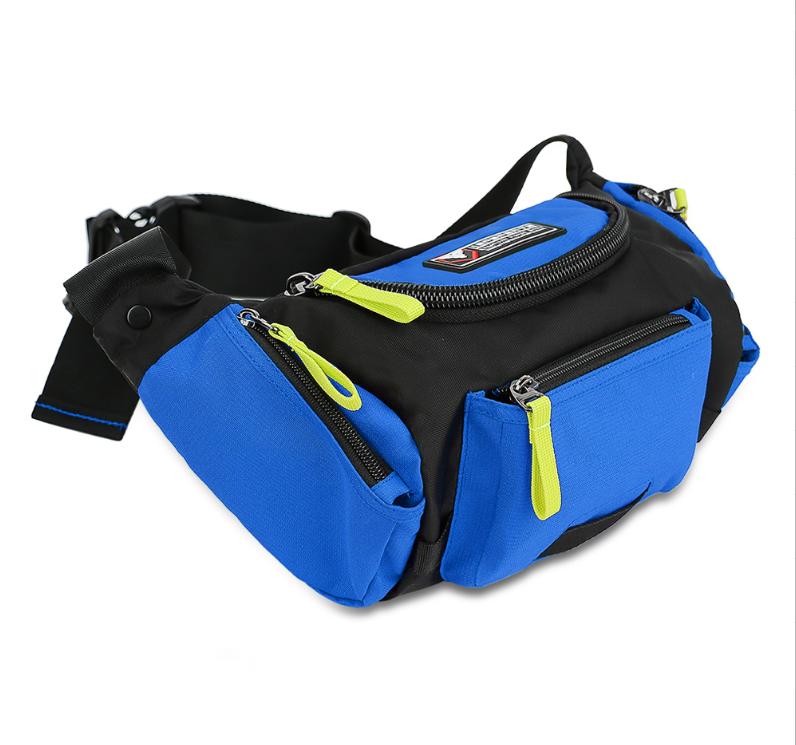
Dumping everything into a sports bag and forcing the zipper closed wastes both time and space. Layering works better because it manages weight distribution and void space at the same time. Here is a practical sequence that works for most collapsible sports bags:
Heavy, flat items go on the bottom first. Shoes or a folded towel make a stable base.
Medium-weight gear goes in the middle, like a change of clothes or protective pads.
Light, soft items go on top. A jacket or a small pouch fills the gaps.
Delicate items go last, wrapped or padded, near the top where pressure is lower.
This method reduces voids and keeps the bag closer to its natural shape. It also makes it easier to grab one item without unpacking the whole bag. The goal is not to cram every last cubic inch. It is to create a stable, accessible load that the bag can actually carry without strain on the seams.
Rolling beats folding for collapsible sports bags. A rolled shirt eliminates the crease voids that folded clothes leave behind, and it compresses along its length. Compression sacks or simple elastic straps can squeeze soft items tighter. There is a limit, though. Do not compress to the point where the fabric is under strain. The shell of a collapsible sports bag is not built to handle the outward pressure of a fully packed suitcase. Over-compression stresses seams and zippers. The aim is a tight load, not a bulging one. A bag that closes without force will last longer and carry better than one that is pushed to its limit every trip. The best packers know when to stop.
A university club travel team in the Midwest packed collapsible sports bags for a weekend tournament. The first attempt led to several zipper failures because players overloaded the bags without a plan. The coach switched to a simple method: shoes on the bottom, clothes rolled, small items in pouches. The same sports bags suddenly held more gear with fewer zipper problems. The weight did not change. The way volume was distributed did. This was not about buying bigger bags. It was about using the space inside the existing ones with a repeatable routine. The lesson applies beyond travel teams: a packing method that respects the bag's shape beats brute force every time. The team kept the same bags for the rest of the season.
Different packing approaches produce measurably different results. The table below uses representative field observations from club and travel use, not a controlled lab test. The percentages are approximate and vary with bag size, fabric stiffness, and load type. The field data echoes the kind of measurable checks defined in ASTM D5034 for seam strength and ASTM D4157 for abrasion, applied here to packing outcomes rather than material specs.
| Packing method | Space utilization | Common issue | Best for |
|---|---|---|---|
| Random stuffing | 55 to 65% | Voids and irregular shape | Quick trips, light loads |
| Flat layering | 70 to 80% | Needs space to arrange | Gear-heavy days with order |
| Rolling plus compression | 80 to 90% | Over-compression strains zippers | Long trips with tight space |
| Layering plus pouch sorting | 85 to 95% | Needs extra pouches | Detailed packing with many items |
The pattern is clear. A method that manages shape and void space will outperform raw force. But no method can exceed the physical limits of the bag itself. A sports bag with a weak zipper will fail sooner regardless of packing skill.
No packing trick can outrun a bag built with weak seams or undersized zippers. The shell, bottom panel, and closure hardware determine how full a bag can be before it starts to fail. Stitch density and zipper gauge matter more than most buyers realize. KOP runs high-volume bag production with an annual output of more than 6,000,000 pieces, including a large share of wheeled bags, and every unit goes through a standardized testing process before release. Material durability, craft accuracy, and structural stability are checked under a strict quality control system. For a collapsible sports bag, that means zippers that handle a tight load without skipping, and a bottom panel that supports weight without sagging. The result is not unlimited capacity. It is a bag that respects its limits and rewards smart packing.

 EN

 Hot News