Start with Capacity and What You Actually Need to Carry
The first thing you need to figure out when you are looking for a running pack for marathons is how much stuff you actually need to bring with you. This sounds simple, but it is actually the most important decision you will make. A pack that is too big will bounce around and feel awkward. A pack that is too small will leave you scrambling to figure out where to put your gels or your phone. So before you even start shopping, take a minute to think about what a typical long run or race day looks like for you.
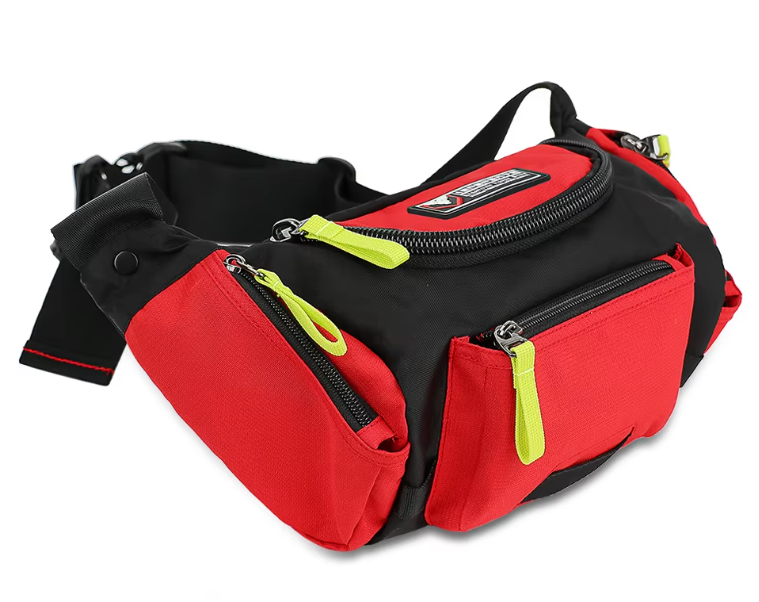
For most marathon runners, the essentials include hydration, fuel, and a few small essentials. You need water or sports drink, usually in the form of soft flasks that fit into front pockets or a hydration bladder that goes in the back. You need space for energy gels, chews, or whatever you use to keep your energy up. You need a place for your phone, your keys, and maybe a light jacket if the weather is unpredictable. Some runners also like to carry a small first aid kit, salt tablets, or a portable charger for their watch or phone. The total volume you need is usually somewhere between 4 and 12 liters. A minimalist runner who relies on aid stations for water might get away with a smaller vest around 4 to 6 liters. Someone who prefers to carry all their own hydration and fuel, especially for training runs where aid stations are not available, might want something closer to 8 to 12 liters.
The key here is to be honest with yourself about what you actually use. I have seen runners buy huge packs thinking they need to bring everything, only to find that the extra space just encourages them to carry things they never touch. Then they end up with a pack that feels heavy and awkward. On the flip side, going too small means you are constantly trying to jam things in, and your pack ends up bulging in weird ways that affect how it sits on your body. A good running pack should feel like an extension of you, not like a burden. Getting the capacity right is the first step toward that feeling.
Fit and Comfort Are Non Negotiable
If you take away nothing else from this, remember this one thing. A running pack that does not fit properly will ruin your run. It does not matter how well designed it is or how many cool features it has. If it bounces, chafes, or restricts your breathing, you are going to be miserable. And when you are running 26.2 miles, being miserable is not an option. So fit has to be your top priority.
The good news is that modern running packs, especially those designed for marathons and ultras, have come a long way. Most high quality packs are designed like vests rather than traditional backpacks. They wrap around your upper body with straps that go over your shoulders and around your ribs, distributing the weight evenly across your chest and back. This design keeps the pack stable even when you are moving fast or taking sharp turns. When you are trying on a pack, you want to look for a few things. First, the shoulder straps should be comfortable and not dig into your neck or armpits. They should have some padding, but not so much that they trap heat. Many good packs use a breathable mesh material that allows air to flow. Second, there is usually a sternum strap that goes across your chest. This is adjustable, and you want to be able to tighten it enough to keep the pack from shifting without feeling like you cannot breathe. Some packs have two sternum straps, which gives you even more stability.
The back panel is another important area. It should be contoured to fit your spine and should be made of a material that wicks away sweat. A pack that sits flat against your back with no airflow can get uncomfortably hot after a few miles. Finally, take a few minutes to move around when you are trying it on. Jump up and down a little. Swing your arms. Simulate a running motion. A good pack will stay in place and feel like it is part of you. If it shifts around or feels awkward, keep looking. There are plenty of options out there, and the right one for you is out there.
Hydration Options and How They Affect Your Choice
Hydration is one of the biggest factors in choosing a running pack for marathons. How you plan to carry your fluids will shape a lot of your decision, because different packs are designed to accommodate different hydration systems. You really have two main options, and each has its pros and cons.
The first option is a hydration bladder. This is a flat, flexible reservoir that sits in a dedicated sleeve inside the back of the pack. A tube runs over your shoulder so you can drink without stopping or even taking the pack off. This is a popular choice for a lot of marathon runners because it holds a good amount of water, usually 1.5 to 2.5 liters, and it lets you drink hands free. The downside is that bladders can be a bit more difficult to refill during a race if you need to top up, and some runners find them harder to clean. You also need to make sure your pack has a dedicated bladder sleeve, because not all packs are designed to take one.
The second option is soft flasks. These are collapsible bottles that fit into pockets on the front straps of the pack. Most running packs designed for marathons have dedicated pockets for one or two soft flasks right on the chest. The advantage of soft flasks is that they are easy to grab, easy to refill, and you can see how much liquid you have left at a glance. They also tend to feel more balanced because the weight is distributed on the front rather than all on your back. The downside is that you are usually limited to around 500 to 600 milliliters per flask, so if you need a lot of hydration, you might need to carry extra flasks or plan for refill stops.
Some runners actually use both. They carry a hydration bladder for a large supply of water and use soft flasks for sports drink or electrolytes. The key is to pick a pack that supports the system you prefer. Look for a pack that has the right pockets, the right sleeve, and the right balance of front and back storage to keep your hydration setup stable and accessible. Getting this right makes a huge difference on race day because you never have to think about your water. It is just there when you need it.
Storage, Accessibility, and Features That Matter
Once you have the capacity, fit, and hydration figured out, the next thing to consider is how the pack is organized and how easy it is to access what you need while you are running. In a marathon, every second counts, and fumbling around trying to find a gel or your phone can throw off your rhythm. A well designed running pack makes all your essentials easy to reach without breaking your stride.
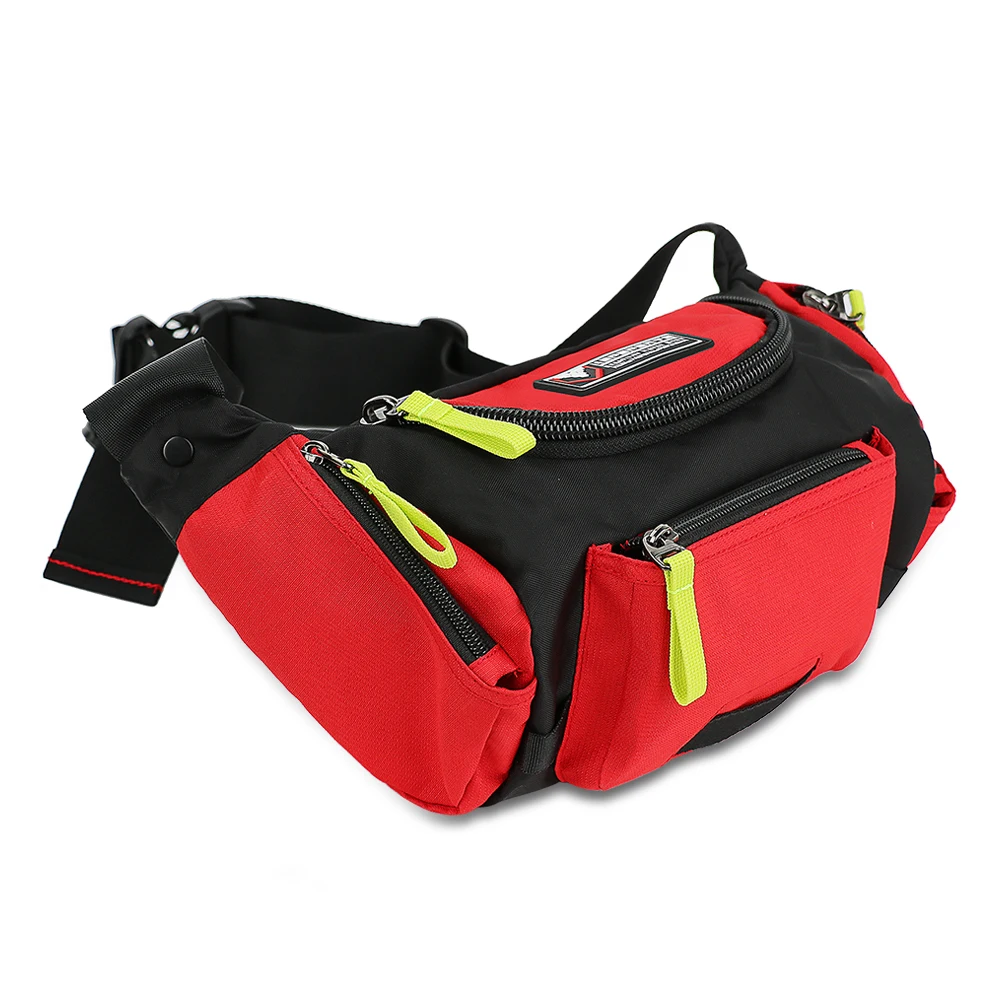
Look at the front pockets first. These are where you will keep the things you need most often. Energy gels, chews, your phone, maybe some salt tablets. The best packs have stretchy mesh pockets that can hold items securely but are still easy to get into with one hand. Some have magnetic closures or elastic cords that keep things from bouncing out. You want these pockets to be positioned so that you can reach them naturally without having to contort your arm. Try reaching across your body to simulate grabbing a gel. Does it feel natural? Can you do it without slowing down?
The back compartment is usually where you put things you do not need during the run, like a change of clothes, a lightweight jacket, or extra supplies. Some packs have a main compartment that opens from the top like a traditional backpack, while others have a zippered panel that opens flat like a suitcase. The suitcase style is often easier to pack and gives you better access. Also, check if the pack has a separate compartment for wet or sweaty clothes. After a long run, being able to stash your sweaty shirt away from everything else is a nice feature.
Other features to look for include reflective elements for safety if you run early in the morning or after dark, a whistle built into the sternum strap for emergencies, and trekking pole attachments if you do trail running as part of your marathon training. Some packs also have small zippered pockets for valuables like keys or a credit card. These little details might seem minor, but they add up to a pack that works with you, not against you.

 EN
EN

 Hot News