Walk through a locker room after a tournament and the wear pattern tells a story. Shoulder straps get adjusted, zippers get yanked, but the bottom panel of a sports backpack meets concrete, asphalt, truck beds, gym floors, and wet locker room tiles without anyone noticing. It is the part of the bag that touches the world first and gets inspected last.
That hidden contact is exactly why bottom panel durability matters. A bag can look clean on the outside while the base fabric has been thinned by abrasion, softened by moisture, and stressed by point loads from cleats, water bottles, or a laptop corner. Once the bottom panel fails, the whole carry system loses structure. The load sags, seams pull, and the bag starts to feel old long before the upper fabric shows any damage.
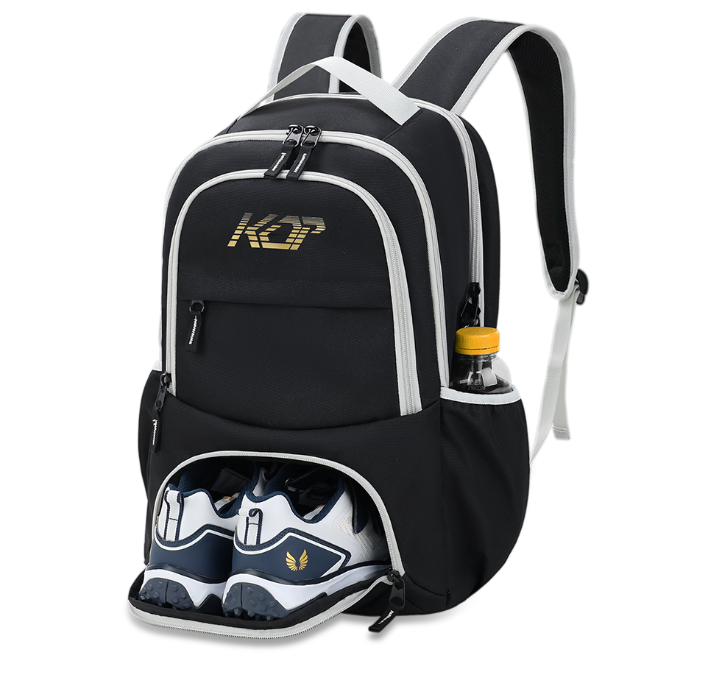
Three mechanisms do most of the damage. The first is abrasion. Every time a loaded bag is set down or dragged a few inches, the bottom weave rubs against a rough surface. Concrete is abrasive, asphalt is worse, and a truck bed with grit works like sandpaper. A plain 600D polyester can handle normal handling, but repeated dragging on rough ground exposes the yarn structure faster than most buyers expect.
The second is moisture. A wet bottom panel does not just feel damp. Water and road salt can weaken the back coating, soften the weave, and encourage mildew in the foam or board layer above the fabric. A bag that sits in a puddle overnight may dry out, but the coating may already be compromised.
The third is point loading. A heavy water bottle, a tool, or the edge of a shoe box concentrates force on a small area. If the bottom panel lacks a stiffener or a reinforced layer, that point load can stretch the weave and pull at the seam line.
| Bottom panel setup | Abrasion resistance | Moisture behavior | Point load spread | Typical weak point |
|---|---|---|---|---|
| Single layer 600D polyester | Moderate | Absorbs if coating wears | Low | Seam corners |
| 600D with PU back coating | Good | Resists light moisture | Low to moderate | Coating cracks at folds |
| 1000D with reinforced base | High | Good with sealed seams | Moderate | Weight and stiffness |
| Laminated abrasion panel with frame sheet | Very high | Strong if seams are taped | High | Cost and assembly complexity |
The table is not a shopping list. A heavier panel adds weight and stiffness, and a very stiff base can feel awkward on a small daypack. The right choice depends on how the bag is used, not on a single headline number.
During a returns review at a regional sports goods distributor, a batch of sports backpack models came back with a similar complaint. The upper fabric and straps looked fine, but the bottom panel showed frayed corners and a soft, wrinkled base after a few weeks of school and gym use. The returns were not from extreme abuse. Most bags had been set down on concrete, loaded with shoes and books, and stored in a damp equipment room.
The inspection found two issues. The base fabric had a light coating that wore through at the corners, and the bottom panel had no stiffener, so the load pressed the fabric into a rounded shape that rubbed on the ground. A revised construction used a denser weave, a reinforced corner patch, and a thin frame sheet. The change did not make the bag indestructible, but it removed the failure pattern that drove returns.
That case is a useful reminder. Bottom panel durability is rarely about one fabric spec. It is about how the base, the coating, the seams, and the stiffener work as a system.
Material claims can be checked against recognized test methods. ASTM D3884 covers abrasion resistance using a Taber abraser, which gives a repeatable picture of how a fabric surface handles rubbing. ASTM D5034 covers grab tensile strength, useful for understanding how a woven fabric behaves under pulling force. ASTM D4169 outlines distribution cycle testing, which helps frame how a packed bag performs through shipping and handling.
These standards do not guarantee a durable bottom panel, and they should not be read as a comfort or lifespan promise. A fabric that scores well on abrasion can still fail at a seam if the stitch density is wrong. A high tensile number means little if the coating cracks after repeated folding. Buyers should treat test data as a starting point, then ask about construction details and real use conditions.
Honest limits exist. No bottom panel survives being dragged across sharp gravel for long distances, and no coating stays perfect after repeated soaking. The goal is to slow wear in the conditions the bag actually meets.
The details around the bottom panel often matter more than the headline fabric. Reinforced corner patches spread abrasion away from the seam line. Bar tacks at stress points stop stitches from unraveling. A frame sheet or a firm base insert keeps the panel flat so it does not cup into the ground. Seam taping or a bound edge reduces wicking at the base.
A few practical checks for buyers and product teams:
Look for a denser weave or a laminated abrasion panel at the base, not just a thicker coating.
Check whether the bottom panel has a stiffener that spreads point loads.
Inspect corner construction for reinforcement patches or double stitching.
Confirm that base seams are bound or taped rather than left raw.
Ask how the bag is tested after assembly, not only how the fabric is tested before cutting.
A sports backpack used for daily school or gym carry may not need a heavy laminated base. A bag that rides in truck beds and gets set down on rough concrete does. Matching the bottom panel to the real route is more useful than chasing the thickest spec sheet.
A standardized testing process is where bottom panel claims become credible. Before the release of every single bag, a sensible quality system checks material durability, craft accuracy, and structural stability. That can include abrasion cycles on the base fabric, seam pull tests, static load checks on the bottom panel, and a visual audit of corner reinforcement. The strict quality control system oversees the sequence so results stay consistent across production runs.
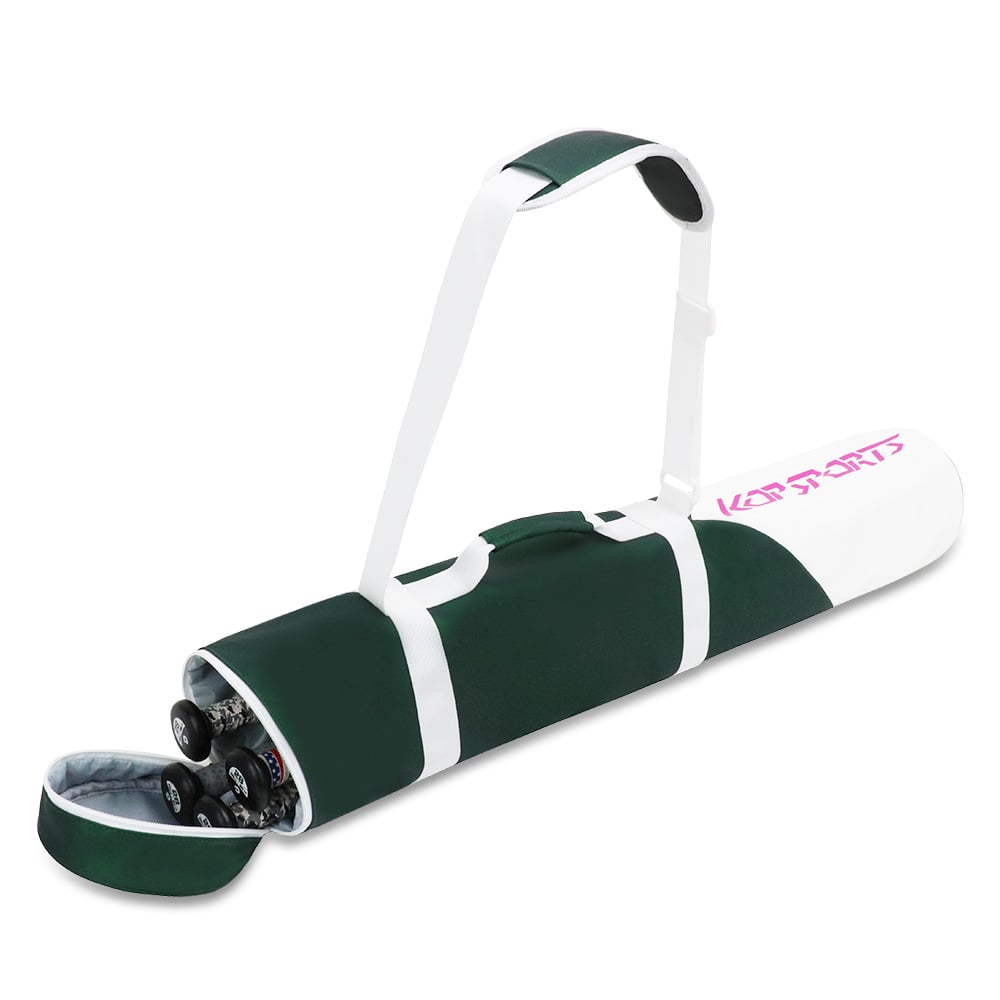
For buyers comparing supply partners, KOP Sports is worth a look. Annual output exceeds 6,000,000 bags, with about 40% wheeled. The company runs a specialized roller equipment bag facility, skilled production lines, and a standardized testing process before every single bag is released. That mix of capacity and process discipline supports consistent bottom panel construction, which is exactly the kind of quiet detail that keeps a sports backpack in service longer.

 EN



 Hot News