A soccer bag spends most of its life carrying items that do not belong together. Cleats come back muddy and damp. Shin guards trap sweat against the fabric. A towel used at halftime stays wet for hours. Meanwhile, the same bag holds a clean jersey, a water bottle, keys, and sometimes a phone or earbuds. Drop all of that into one open cavity and the moisture finds its way into everything. The result is not just a soggy jersey. It is a bag that starts to smell, fabric that breaks down faster, and gear that needs washing more often than it should. Separate wet-dry compartments address that problem at the design stage rather than asking the player to manage it with plastic bags and hope.
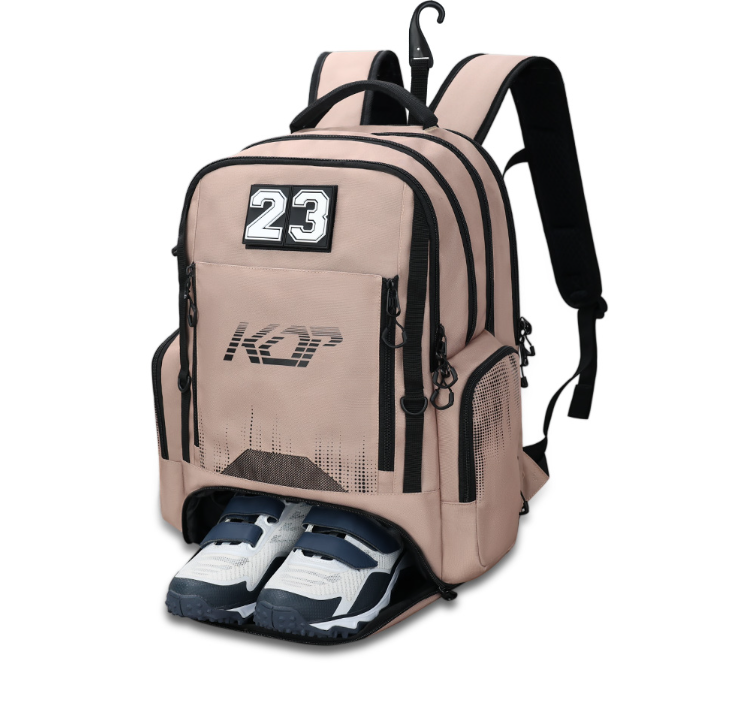
A wet-dry compartment is a lined section, usually with a water-resistant or waterproof barrier, that keeps moisture from migrating into the rest of the bag. The barrier matters more than the label. A coated lining, sealed seams, and a separate zipper track create a physical boundary. Some designs use a roll-top or a zip closure that keeps damp gear contained even when the bag is tossed into a car trunk. The dry section stays dry not because it is far away, but because the barrier prevents wicking and condensation from spreading. That distinction matters for anyone who has pulled a dry shirt out of a bag only to find it clammy from proximity to wet socks.
Moisture does more damage than most players realize. Fabric that stays damp becomes a host for mold and bacteria, and those organisms break down fibers over time. Zippers corrode. Foam padding in straps and back panels absorbs water and loses structure. Even the lining can delaminate when it stays wet for long stretches. Industry testing frameworks such as ASTM G21, which assesses resistance to fungal growth, exist because moisture-related degradation is a known problem in textiles and coated materials. A soccer bag that keeps wet gear isolated reduces the hours its main fabric spends in a damp state. That simple change slows the wear cycle and keeps the bag usable for more seasons.
During a youth soccer club season in a humid southern region, coaches noticed that bags stored in a equipment room were developing a persistent smell within a few months. The bags were not cheap, and the fabric itself was holding up. The problem was the interior. Wet cleats and towels were going into the main compartment after every practice, and the moisture had nowhere to go. A switch to bags with separate wet-dry sections, combined with a simple routine of emptying the wet side after each session, cut the smell complaints dramatically and reduced the number of bags replaced mid-season. The fix was not a more expensive material. It was a layout that matched how players actually use the bag.
Separate compartments change how a soccer bag gets used, not just how long it lasts. A player can pack clean gear in the dry section the night before a match and know it will still be dry in the morning. Wet gear goes into its own space without contaminating everything else. That separation also makes the bag easier to organize for tournaments, where the same bag may hold match kit, training gear, and travel items at once. The table below shows how the two layouts compare in common scenarios:
| Scenario | Single-compartment bag | Bag with wet-dry sections |
|---|---|---|
| Post-practice packing | Wet gear mixes with clean items | Wet gear isolated, dry items stay usable |
| Tournament travel | Odor builds up in the car or hotel room | Odor contained, bag easier to air out |
| Long-term storage | Moisture lingers, fabric degrades faster | Damp section can be emptied and dried |
| Daily organization | Items shift and tangle | Clear zones for clean and dirty gear |
The gains are practical rather than dramatic. They show up in small moments, like not having to rewash a jersey or not dreading the smell when the bag is opened after a weekend tournament.
Not all wet-dry layouts work equally well. A compartment that is too small forces players to cram wet gear into a space that does not close properly. A barrier that does not extend up the sides lets moisture creep over the top. Ventilation matters too. A sealed wet section that cannot breathe will hold odor even after the gear is removed. The best designs balance containment with airflow, often through a mesh panel or a vent that can be opened for drying. Zipper quality and seam sealing decide whether the barrier holds up over a season of use. These details are where manufacturing discipline shows, and they are the reason a well-built bag outlasts a cheaper one with the same feature list.
Wet-dry compartments are only as good as the materials and assembly behind them. A manufacturer with high-volume production and strict quality control can keep lining consistency, seam sealing, and zipper performance stable across large runs. Kopsports, with its annual output and specialized roller equipment facility, applies standardized testing to material durability and structural stability before bags are released. That kind of process discipline matters when a soccer bag has to hold up to weekly use, repeated washing, and the wear that comes from being tossed into trunks and dugouts. The feature is simple on paper. Making it reliable at scale is the harder part.

 EN




 Hot News