A hockey bag carries gear that has already been through a hard skate. Skates come off wet, blades stay sharp, and the bag becomes a moving container for steel. A heavy-duty hockey bag with blade-resistant skate pockets is not a marketing extra. It is a practical response to a real failure mode. Standard bag liners are often a single layer of nylon or polyester. That fabric can handle abrasion from pads and sticks, but a skate blade under load is a different problem. The blade concentrates force on a tiny edge. Once that edge finds a weak point in the liner, it slices through and keeps going into whatever sits next to it. Players pack bags in a hurry after games, and blades are rarely in perfect covers. The pocket has to assume the blade will move.
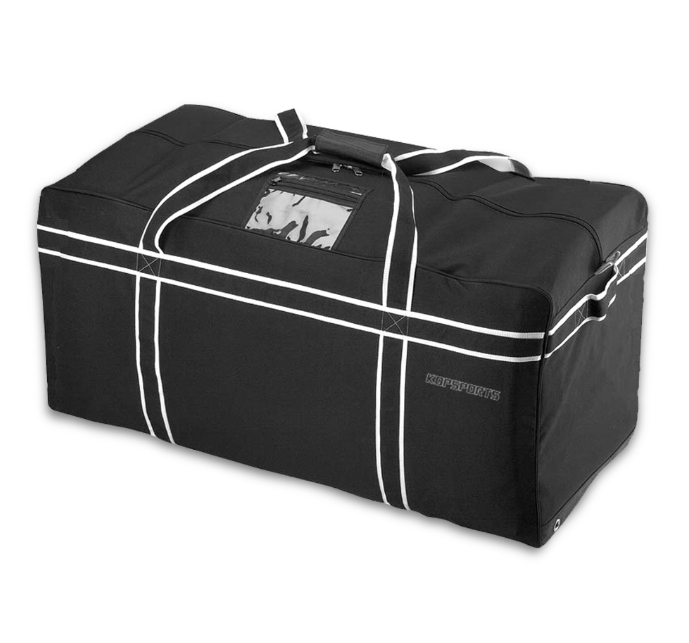
Damage rarely starts in the middle of a pocket panel. It starts at the bottom seam, the side binding, or the zipper tape where the blade rests and shifts during transport. A wet liner loses some strength, and a blade that slides along a seam can separate stitches before it cuts the fabric itself. The next failure is often collateral. A cut liner lets a blade contact a helmet, gloves, or a spare jersey. That is why a blade resistant pocket needs to be a separate compartment with a reinforced base and a closure that keeps the skate from sliding out. A pocket that shares a wall with the main compartment offers little separation once the liner is compromised.
A useful pocket is built as a system. The liner usually combines a cut resistant woven layer with a backing that spreads point load. High-density polyethylene, aramid blends, coated abrasion layers, and leather reinforcements all show up in this role. The base gets extra binding, and drainage eyelets let water escape instead of softening the fabric. Testing should include a blade drag across the liner, a drop test with the blade edge down, and seam strength checks on the pocket base. Standards such as ASTM D5034 for fabric tensile strength and ASTM D1683 for seam strength provide recognized methods for the fabric and seam side. Cut resistant glove standards such as ANSI/ISEA 105 and EN 388 offer a reference for cut resistance ratings, though they were written for hand protection, not bags. The standard is a starting point. Testing the finished pocket with a real skate is the check that matters.
| Pocket feature | Ordinary skate pocket | Blade-resistant pocket |
|---|---|---|
| Liner construction | Single layer nylon or polyester | Cut resistant woven layer plus backing |
| Blade contact | Slices through under load | Resists cutting and spreads point load |
| Base treatment | Standard seam | Reinforced binding at high wear zones |
| Moisture handling | Traps water in the pocket | Drainage eyelets and quick dry liner |
| Separation from gear | Shared wall with main compartment | Independent compartment with closure |
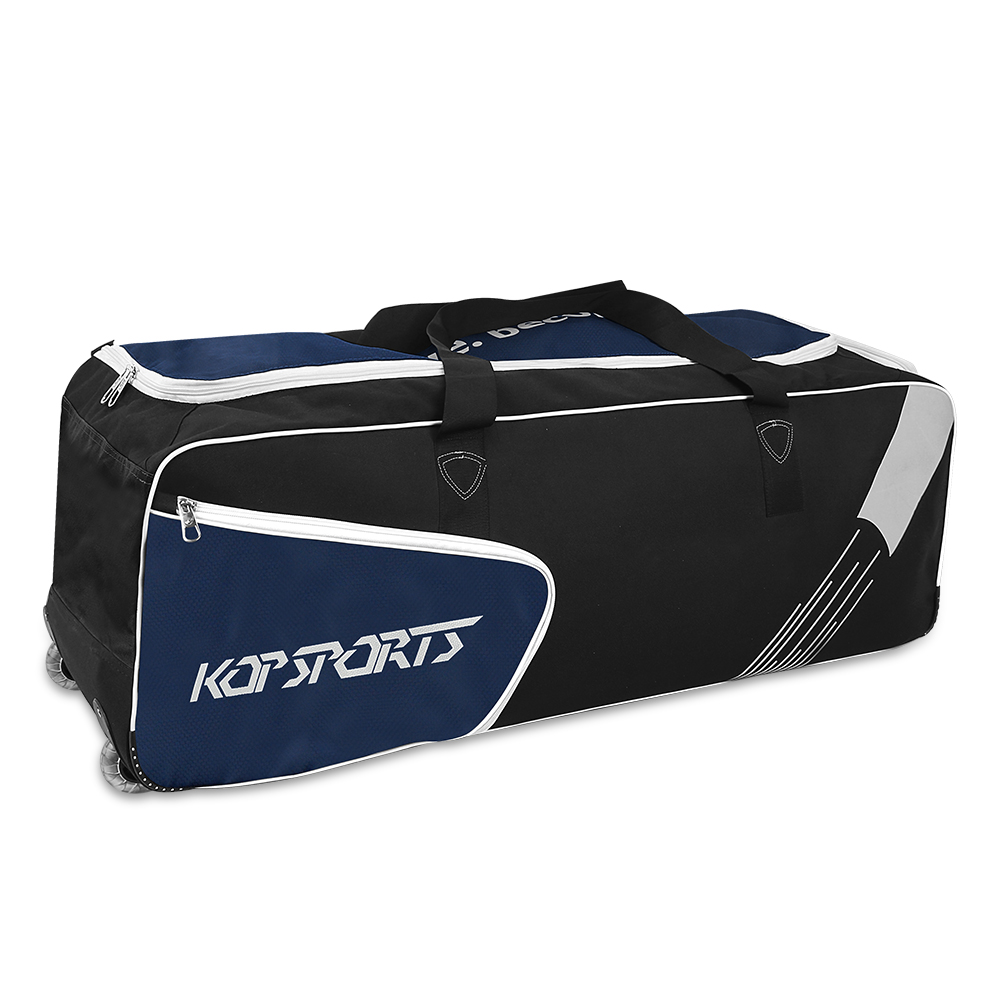
Heavy duty does not mean a thicker fabric label. It means the bag holds its shape when loaded and the skate pockets do not collapse onto the main compartment. A wheeled bag adds frame and base panel loads, and a loaded bag rolled over a curb puts stress on the pocket base as much as on the wheels. A blade resistant pocket that sags can let a blade press against the bag wall. Reinforced binding, a stiffened base panel, and a closure that keeps skates upright all matter. The bag also has to drain. Water from skates and wet gear collects at the lowest point, and a pocket without drainage becomes a slow wear zone. Structural stability and moisture control are linked, because wet fabric loses strength and a weak pocket is where a blade starts.
A university club program in the Midwest once reported a cut through the bottom of a standard skate pocket after less than a full season. The blade had worn through the liner at the base seam and scratched a spare helmet. The bag was not overloaded. The problem was movement. Skates shifted during transport, and the wet liner softened at the seam. The replacement spec called for an independent pocket with a cut resistant liner, a reinforced base, and drainage eyelets. The revised bag was tested with a real skate blade dragged across the pocket base under load. The liner showed surface marking but no cut through. That case is a reminder that a pocket can look sturdy and still fail at a seam. The test has to match the way skates actually sit in a bag.
Buyers can separate a real blade resistant pocket from a cosmetic one with a few direct questions. Is the skate pocket independent from the main compartment? What is the liner construction, and is there a backing layer? How is the base reinforced? Does the pocket drain? Has a finished bag been tested with a real skate blade under load? A factory that can answer with test records is safer than one that only describes fabric weight. Capacity matters, but only when it comes with controls. Kop Sports runs a production operation built around standardized testing and strict quality control before release, with experience across sports bag and wheeled bag lines. That setup does not guarantee every pocket will stop every blade, but it makes blade and seam checks a routine part of the process instead of a claim on a spec sheet.

 EN



 Hot News