A dedicated helmet bag is often treated as an accessory, yet the best ones function more like a protective case for a complete safety system. The outer shell gets the attention, but the liner, visor, seals, communications gear, mounts, and retention hardware all influence fit and performance. A general duffel forces those parts to share space with tools, boots, and water bottles. Over a season, that kind of contact creates the wear that no inspection sticker can catch. The point of a helmet bag is not to make a helmet look expensive. It is to keep the same geometry, surface condition, and cleanliness from one use to the next.
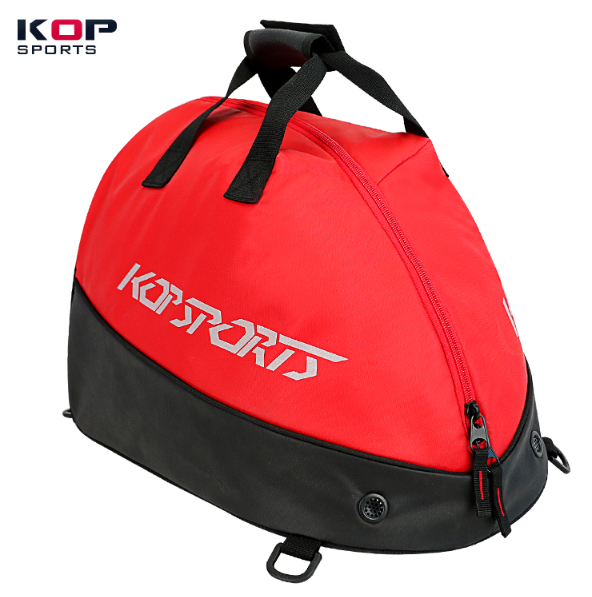
Most helmet damage does not come from a single dramatic drop. It builds through small exposures: sweat left in the liner, dust pushed into vents, solvent fumes from fuel or cleaning agents, and UV from a rear window. Snell Foundation care guidance and FIA 8860-2018 documentation both stress heat, solvents, and impact history as factors in helmet condition. A bag cannot reverse an impact, and it cannot certify a damaged shell. What it can do is limit abrasion, moisture transfer, and crush loads while the helmet is in transit or waiting on a shelf.
During a pre-season logistics audit at a coastal circuit in southern China, a support crew found three helmets stored in a general gear duffel. Two visors had fine scratches from zipper pulls, and one headset foam was damp after a rain-soaked transfer. The fix was simple: rigid-sided carriers with separate visor pockets, mesh vents, and a wipe-down routine before packing. The helmets still needed inspection, but the avoidable surface and moisture issues dropped out of the weekly maintenance list.
In motorsports, the helmet sits at the center of a tight package. A visor can be swapped in seconds, a radio kit can shift, and a HANS post or a hydration tube can snag on loose fabric. A proper helmet bag uses a shaped cavity, soft but stable lining, and separate storage for tear-offs, visor films, and comms cables. The bag also gives crews a repeatable packing routine. When every item has a place, a missing chin strap pad or a cracked visor tab is easier to spot before the next session.
There is a practical limit. A soft bag with good foam will not protect a helmet from being run over by a service cart. For air travel, a rigid case or a hard-shell insert is the safer choice. The best setup depends on how the helmet moves: from trailer to pit lane, from hangar to aircraft, or from locker room to field.
Aviation helmets and headsets carry microphones, earpieces, visors, and night vision mounts. Humidity is a constant enemy in hangars, especially in coastal or tropical locations. A helmet bag with breathable panels and a moisture-wicking liner helps, but the bag should not seal a wet helmet in a closed environment. A short airing period before storage matters as much as the bag itself.
Sports environments add volume and hygiene. Team managers may move dozens of helmets in one trip, and shared gear needs clear separation. A dedicated helmet bag keeps a helmet away from cleats, balls, and wet towels. For cycling, baseball, lacrosse, or skiing, the same logic applies: the bag protects the parts that are hard to inspect and expensive to replace.
The difference is not a logo or a thicker zipper. It comes down to structure, airflow, and compartment logic. A useful comparison:
| Feature | General duffel | Dedicated helmet bag | Why it matters |
|---|---|---|---|
| Internal padding | 2 to 4 mm foam, often loose | 8 to 15 mm closed-cell foam or molded insert | Reduces point loads from zippers, tools, and neighboring bags |
| Ventilation | 0 to 2 small holes | 4 to 8 mesh panels or vents | Lets sweat and hangar humidity escape |
| Visor and comms storage | Shared main compartment | Separate soft-lined pockets | Limits scratches and cable strain |
| Shape retention | Collapses under load | Rigid or semi-rigid side panels | Keeps the helmet cavity from being compressed |
| Carry options | Single handle | Handle, shoulder strap, or backpack straps | Matches trailer, hangar, and field logistics |
| Contamination control | Open to dust and debris | Closable liner and wipeable base | Supports a cleaner helmet before each use |
Those details are not marketing extras. They are the difference between a bag that merely carries a helmet and one that supports a helmet care routine.
Buyers should test the bag with the actual helmet, not a generic headform. Check the visor closed and open, the comms cable routing, and the space around the neck roll. Look for stitching at stress points, a base that can be wiped clean, and ventilation that does not let rain straight in. A small pilot batch in real transport conditions will reveal more than a catalog photo. Honest limitations matter too: no soft bag replaces inspection after an impact, and no carrier removes the need for proper drying.
For volume programs, manufacturing discipline becomes the quiet variable. Kops runs bag production capacity above 6,000,000 pieces annually, with about 40% wheeled bags, and applies a standardized testing process before every bag is released. That scale helps when a helmet bag program needs consistent foam density, stitching, and supply chain follow-through across repeat orders.

 EN


 Hot News