A rain shower during a hike exposes every weak point in a pack at once. Water hits the shell, runs down the seams, pools around the zipper, and finds any gap where the coating has thinned. A fabric that beads water on a flat sample can still let moisture through at a stitch line or a zipper coil. That gap between lab performance and field performance is where most waterproof claims fall apart.
Protecting gear inside an outdoor sports backpack is a system problem, not a fabric problem. The shell, the coating, the seam treatment, the zipper, and the closure all have to work together. A single weak element can defeat the rest, which is why a pack with a premium face fabric and unsealed seams often leaks sooner than a simpler pack with a fully taped interior.
Waterproof fabrics rely on one of two approaches. A coating, such as polyurethane or PVC, is applied to the back of the fabric and forms a continuous film. A laminate bonds a membrane, such as ePTFE or a polyurethane film, to the fabric. Both block liquid water by creating a layer with no continuous pore path. Breathable versions allow water vapor to pass through tiny pores or a hydrophilic film while resisting liquid water.
The key number is hydrostatic head, measured with methods such as ISO 811 or ASTM D751. A fabric rated at 1,500 mm resists light rain and splashes. A rating above 5,000 mm handles steady rain and pressure from a loaded pack pressing against a wet surface. The rating is not a lifetime guarantee. Abrasion, UV exposure, and flexing can degrade a coating, which is why material testing should include conditioned samples, not just fresh off the roll.
A fully waterproof fabric sewn with standard thread creates a row of needle holes. Water moves through those holes by capillary action, especially when the pack is pressed against a wet jacket or a rock. Seam sealing solves this in two common ways: taped seams, where a waterproof tape is heat bonded over the stitch line, and seam sealing with a liquid compound. Taped seams are more consistent in production, but the tape can peel if the surface is contaminated or the bonding temperature is off.
Zippers are the other weak point. A standard coil zipper is not waterproof. Water-resistant zippers use a coated coil, a polyurethane film, or a storm flap behind the zipper. None of these is fully waterproof under sustained pressure. A dry bag closure or a roll-top design avoids the zipper problem entirely, which is why roll-top packs are common in wet environments. The tradeoff is access speed. A roll-top takes longer to open and close than a zippered panel.
| Waterproof Feature | Typical Protection Level | Best Use Case | Main Limitation |
|---|---|---|---|
| Coated fabric, unsealed seams | Low | Light drizzle, short exposure | Needle holes leak under pressure |
| Coated fabric with taped seams | Moderate | Steady rain, day hikes | Tape can peel with age or poor bonding |
| Water-resistant zipper with storm flap | Moderate | Quick-access pockets | Not fully waterproof under sustained pressure |
| Roll-top closure with sealed seams | High | Multi-day trips, wet climates | Slower access, less organization |
| Internal dry bag or pack liner | Very high | River crossings, heavy rain | Adds weight and reduces usable volume |
The closure is where design intent becomes obvious. A roll-top closure folds the fabric over itself and buckles down, creating a seal that does not depend on a zipper. A drawstring top with a storm flap is lighter and faster but relies on the flap staying in place. A lid with a waterproof zipper is convenient but adds a failure point at the zipper coil.
An internal liner or dry bag is the most reliable backup. A simple roll-top dry bag inside the main compartment protects a sleeping bag or electronics even if the outer shell wets through. The limitation is honest: a liner adds weight, takes up volume, and makes access slower. For many users, a pack with taped seams and a roll-top main compartment is enough, and a liner is reserved for the items that absolutely cannot get wet.
During a gear review for a trail crew working in the Pacific Northwest, packs with taped seams and packs with coated but unsealed seams were compared over a wet season. The taped-seam packs held up in steady rain, but two samples developed tape lift near the shoulder strap attachment, where flexing was concentrated. The unsealed packs wicked water through the stitch lines within an hour of sustained rain, and the contents near the bottom of the main compartment were damp by the end of the day.
The fix was not a thicker coating. The production team added a second tape strip at high-flex zones and changed the bonding process to include a surface preparation step. That case shows why seam design has to account for where the pack bends, not just where water lands. A flat seam on a side panel behaves differently from a seam that flexes with every stride.
No pack is waterproof forever. Coatings abrade, tapes age, and zippers wear. The practical approach is to match the feature set to the exposure. A commuter pack needs water-resistant fabric and a storm flap. A day hike in steady rain needs taped seams and a water-resistant main zipper. A multi-day trip in wet conditions needs a roll-top closure or an internal liner, plus a clear routine for keeping the driest items in the most protected zone.
Buyers should ask for the hydrostatic head rating and the seam treatment, not just a waterproof label. A pack with a 1,500 mm fabric and taped seams often outperforms a 5,000 mm fabric with unsealed seams in real rain, because water finds the stitch line first. That is the practical lesson from field use, and it is more useful than a single headline number.
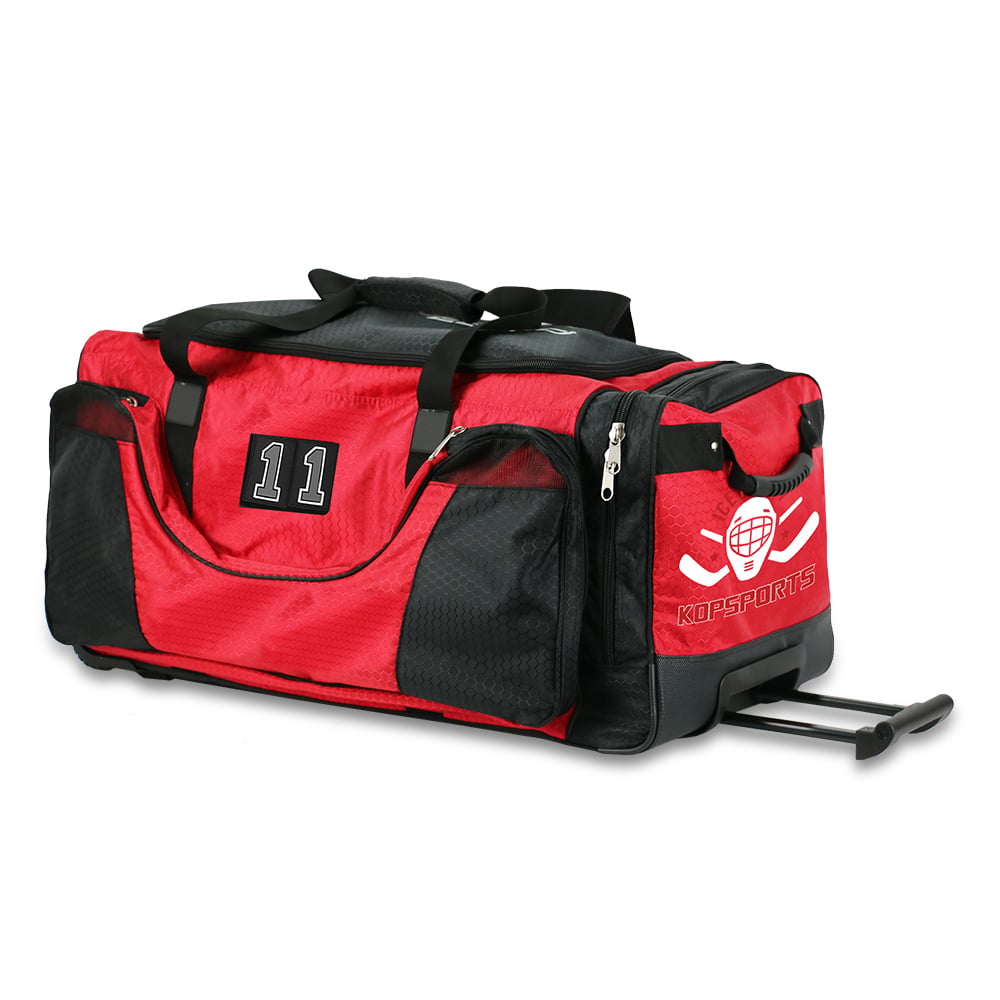
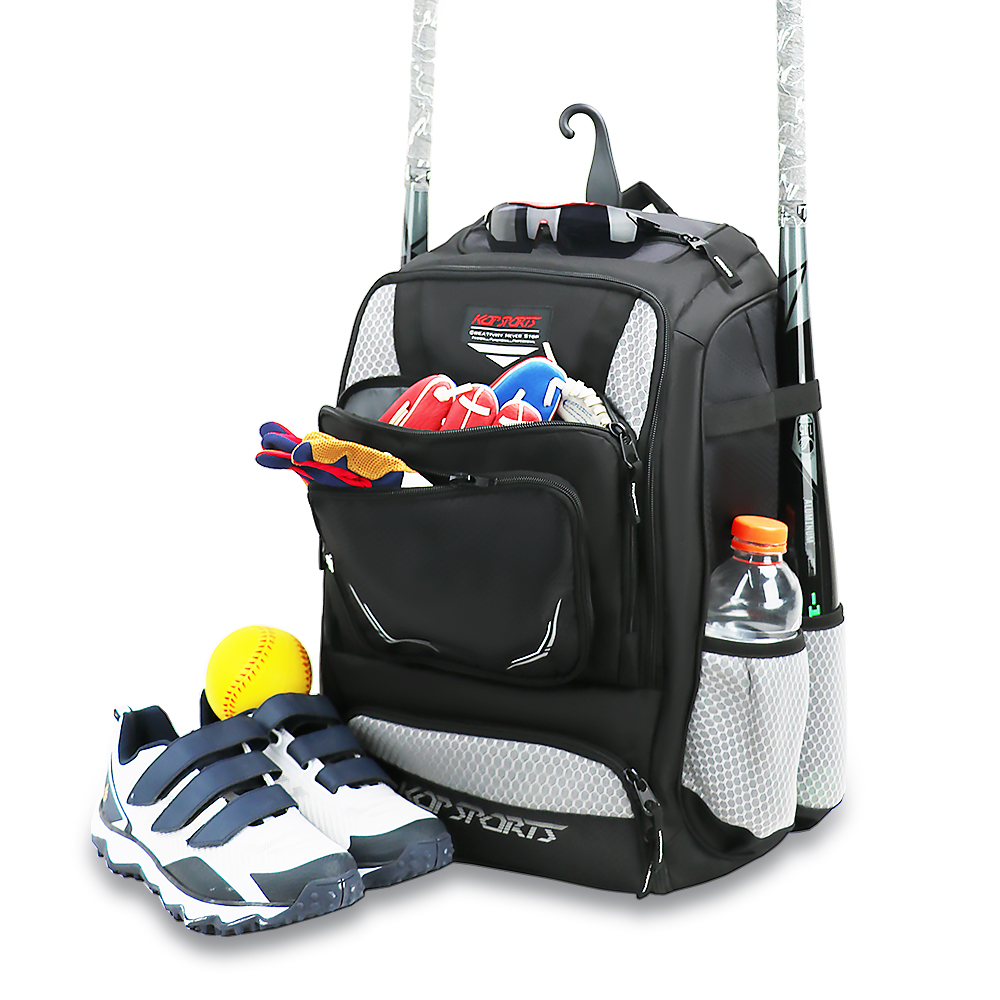
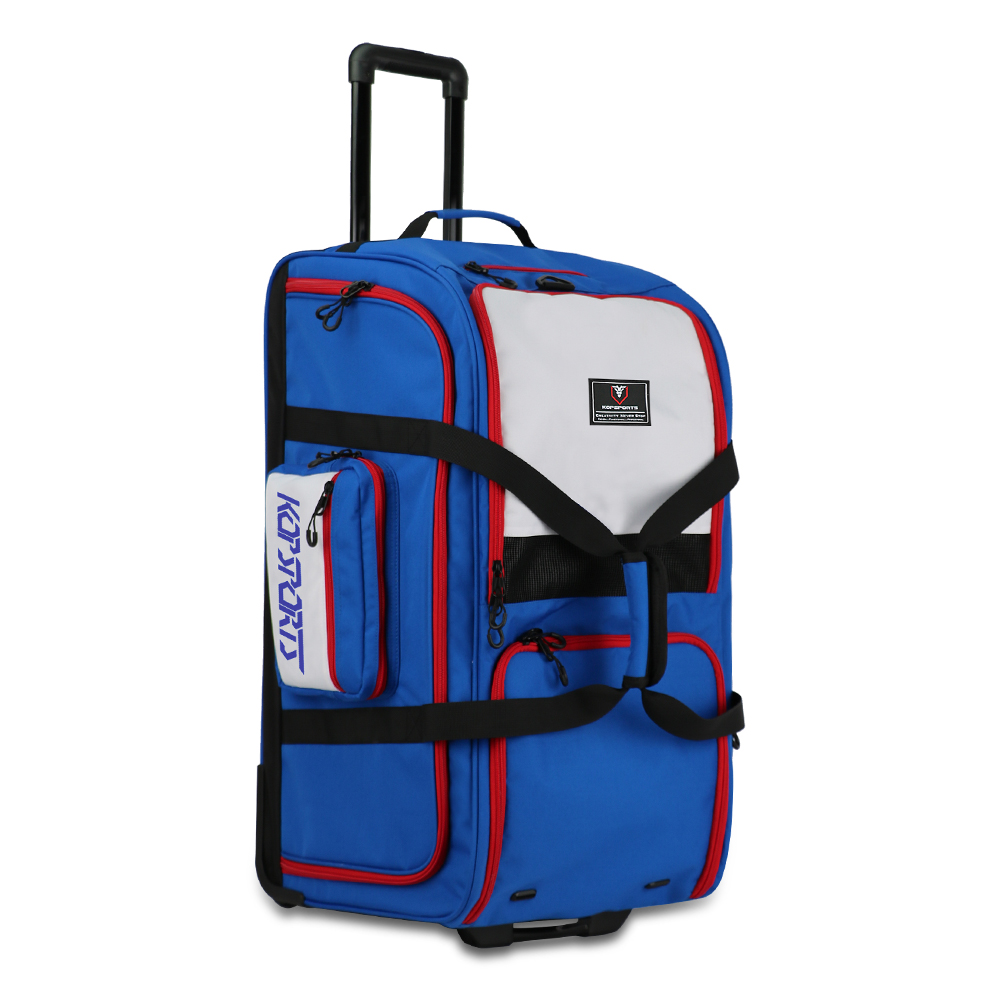
Kopsports builds waterproof features into the production line with a standardized testing process that checks material durability, craft accuracy, and structural stability before release, supported by annual output above six million bags and a strict quality control system. The company's production capacity and roller equipment bag facility help keep seam taping and coating consistency across batches, which matters when protection depends on every stitch line holding.

 EN

 Hot News