Gym bags sized at 20 inches can feel compact on a showroom floor and still jam a fitness club locker at 6 a.m. The label size rarely tells the whole story. Lockers are built around clear internal openings, door frames, hinges, and ventilation slots. Gym bags carry handles, straps, wheels, and packed bulges that add inches. Seamless fit means the bag slides in without forcing, the door closes without pinching, and the bag can be pulled out without snagging. That is a dimensional relationship, not a marketing claim.
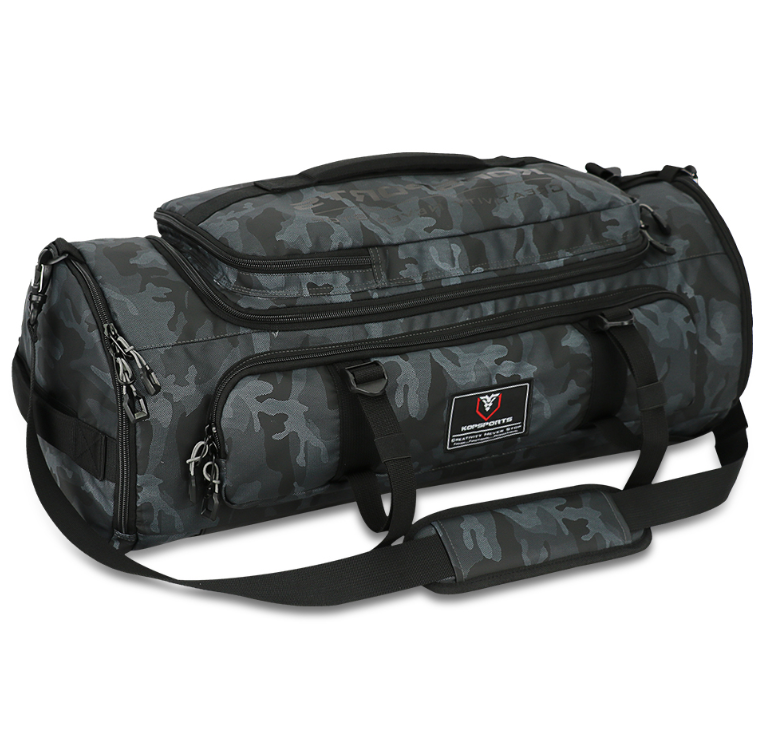
Three measurements matter most: internal width, internal depth, and internal height. Width and depth are usually the tight points because many club lockers use narrow cubbies. A bag that measures 20 by 11 by 11 inches may fit a 12 inch wide locker only if the soft body compresses and the handle lies flat. Add a rigid base or wheel frame and the same bag stops fitting. Clear opening matters too. A 12 inch nominal locker may have a 10.5 to 11 inch clear opening after door stops and frame lips. BIFMA X5.9 storage unit testing covers structural performance, but it does not guarantee a specific clear opening, so measuring the actual locker bank is still the only reliable check.
Most fitness clubs use a few locker families. Day-use cubbies often run about 12 to 15 inches wide, 12 to 18 inches deep, and 18 to 24 inches high. Full-height lockers are often 12 to 15 inches wide and 12 to 18 inches deep, with plenty of height but the same narrow footprint. That is why a long duffel can fail a full-height locker even when height looks generous.
| Locker type | Typical internal size | Practical gym bag target | Fit note |
|---|---|---|---|
| Day-use cubby | 12 x 12 x 18 in | 16 x 10 x 10 in soft duffel | Handles must compress; rigid frames reduce fit |
| Larger cubby | 15 x 15 x 18 in | 18 x 12 x 11 in duffel | Better for shoes and a towel |
| Full-height locker | 12 x 12 x 60 in | 18 x 11 x 11 in upright duffel | Height is not the limit; width and depth are |
| Wide bank locker | 15 x 18 x 24 in | 20 x 13 x 12 in bag | Check door swing and shelf lip |
These are practical targets, not universal rules. Locker suppliers vary, and a half inch can decide whether a bag slides in or fights back.
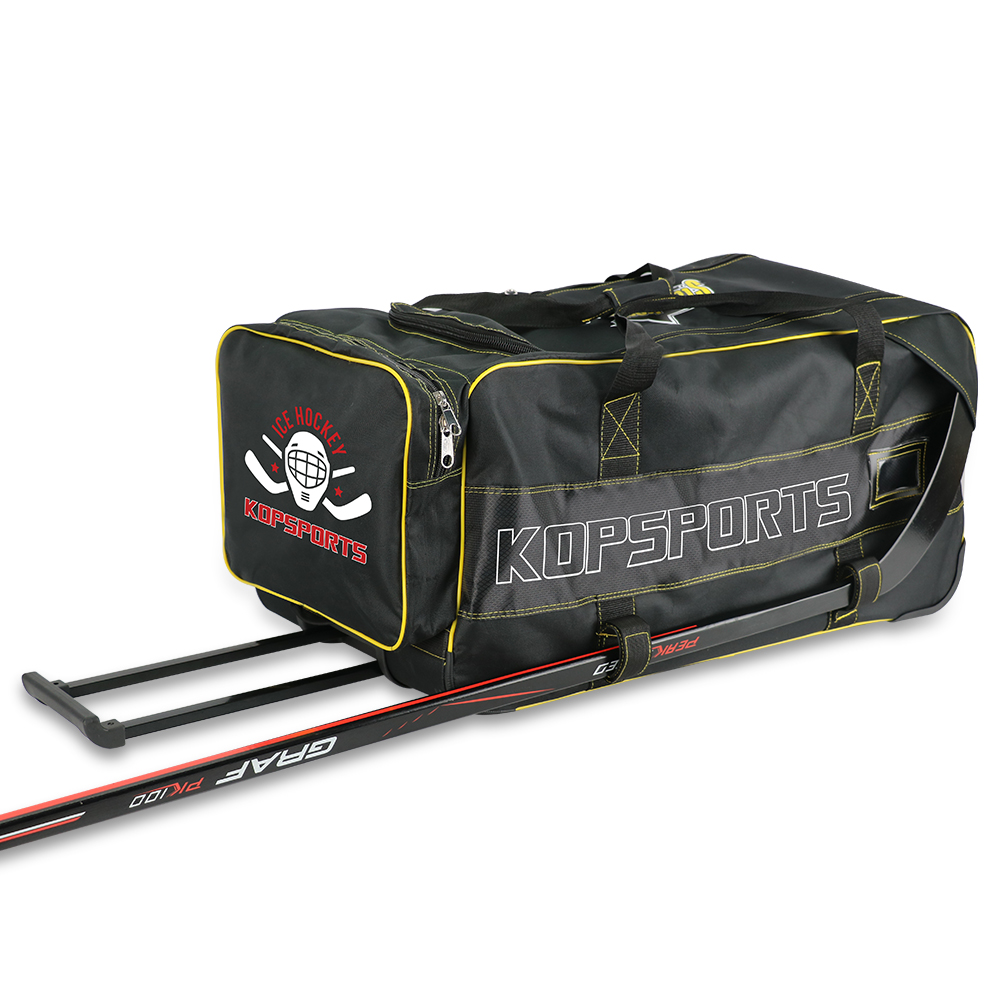
Soft gym bags gain volume when packed. A duffel rated at 11 inches deep can bulge to 12.5 inches once shoes, a water bottle, and a towel go in. Shoulder straps and handle wraps add another inch or two. Wheeled bags are the hardest case because the frame and wheels create a rigid footprint. A wheeled bag that fits an empty locker may not fit once the door frame and hinge side are considered. The fix is not always a smaller bag. A flatter handle, a recessed wheel housing, and a tapered end panel can preserve capacity while improving locker fit. Buyers should test a packed sample, not an empty one.
During a locker room retrofit at a multi-floor fitness club in the Midwest, the operations team measured 300 lockers across three rooms. The nominal size was 12 by 12 by 18 inches, but the clear opening on many units was closer to 10.8 inches wide because of door stops and frame lips. Members were forcing 22 inch duffels into the banks, and the damage showed up as torn handle wraps and worn latch plates. The club did not replace every locker. Instead, the bag program shifted to a 17 by 10 by 10 inch soft duffel with a low-profile handle and a compressible end panel. The change reduced forced entries and made the locker bank easier to clean. The lesson is simple: measure the locker, then specify the bag.
Locker-friendly design is a set of tradeoffs. A soft body compresses, but it can collapse when half empty. A rigid frame holds shape, but it reduces clearance. A wide opening is easy to pack, yet it can create a floppy silhouette that catches on door frames. The better approach is to define the locker envelope first, then tune the bag around it. 1. Set a maximum packed width and depth, not just a flat measurement. 2. Keep handles and straps below the bag body line. 3. Use a tapered end panel to guide the bag into narrow openings. 4. Test with a packed load, including shoes and a bottle. 5. Check the bag in the actual locker bank, not a mock-up.
KOP’s production base supports that kind of specification work. Annual output exceeds 6,000,000 pieces, with about 40 percent wheeled bags, backed by thousands of skilled workers and professional roller equipment. Each bag goes through a standardized testing process before release, covering material durability, craft accuracy, and structural stability under a strict quality control system. For buyers sizing gym bags around real locker rooms, that manufacturing and testing depth matters more than a label number.

 EN



 Hot News