A gym bag that works for a commute is not just a duffel with a shoulder strap. It has to separate sweaty gear from clean clothes, keep a laptop or tablet from bouncing against a water bottle, and let a transit card or phone come out without unpacking the whole bag. Compartment layout decides whether that happens smoothly or turns into a daily dig. The right gym bags for commuters use zones, not one big cavity, and each zone has a clear job.
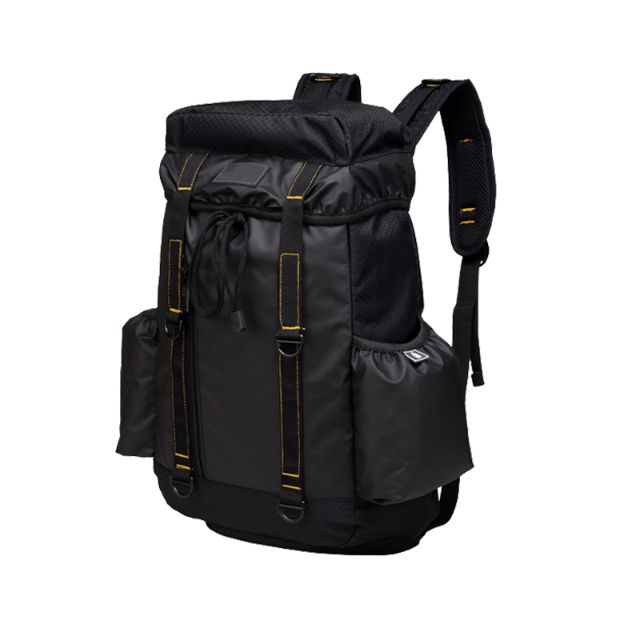
Sweaty clothes, towels, and shoes need a dedicated wet zone. A simple lined pocket helps, but a true wet compartment has a water-resistant lining, taped or sealed seams, and a closure that keeps moisture from wicking into the main body. A ventilated shoe pocket is useful, yet ventilation and moisture isolation pull in opposite directions. Mesh vents let air move, but they also let odor and dampness escape into the bag. The practical answer is a separate shoe compartment with a wipeable lining and a small vent panel that can be closed. That keeps the main compartment dry without turning the whole bag into a humidity box.
Many commuters carry a laptop, tablet, or both. A padded sleeve with a false bottom keeps the device off the bag floor, where impact loads concentrate. The sleeve should sit against the back panel, not float in the middle, so the device stays close to the carrier's body and away from swinging water bottles. A soft-lined pocket for glasses or a phone adds daily value. The tradeoff is bulk. Too much padding turns a gym bag into a briefcase and eats the space needed for shoes and a towel. A 10 to 12 mm foam sleeve with a reinforced bottom is usually enough for commuting, while a full briefcase level of protection belongs in a different bag.
Quick-access compartments are where commuter-friendly gym bags earn their keep. A top pocket for keys, a transit card, and a phone should be reachable with one hand while the bag stays on the shoulder. A side pocket for a water bottle needs to be deep enough that the bottle does not launch out when the bag is set down. An exterior zip pocket for a snack or a small umbrella helps, but every exterior pocket adds seams and hardware that can snag. The goal is not maximum pocket count. It is a small number of zones with clear, non-overlapping jobs.
| Compartment type | What it should hold | Key design detail | Common failure |
|---|---|---|---|
| Wet or shoe zone | Sweaty clothes, shoes, towel | Water-resistant lining, sealed seams, closable vent | Mesh-only vent lets odor into main bag |
| Padded tech sleeve | Laptop, tablet | False bottom, back-panel placement | Sleeve floats and device hits bag floor |
| Quick-access top pocket | Phone, keys, transit card | One-hand reach, soft lining | Pocket too deep or blocked by handle |
| Bottle pocket | Water bottle | Elastic or cinch top, drain hole | Shallow pocket lets bottle fall out |
| Dirty laundry section | Used gym clothes | Separate lining, easy wipe | Shared space with clean clothes |
During a pilot program with a transit-heavy office campus, a group of 40 commuters tested three gym bag layouts over eight weeks. The first layout had one main compartment and a shoe pocket. Users kept losing keys and transit cards, and wet towels ended up against laptops. The second layout added a top quick-access pocket and a padded tech sleeve, which fixed the phone and laptop issues but left wet gear mixed with clean clothes. The third layout added a small sealed wet pocket with a roll-top closure and a separate shoe zone. Complaints about damp clothes dropped sharply, and the top pocket became the most-used feature. The lesson was not that more compartments are better. It was that each compartment needs a specific job and a closure that matches the job.
A compartment plan looks great on a spec sheet and fails in production when seam allowances collide. Adding a wet pocket means adding a lining, a seam seal, and a zipper that can handle moisture. Adding a tech sleeve means adding foam, a false bottom, and stitching that does not create a hard edge against the body. Each added zone increases pattern complexity and the chance of a weak seam or a bulky overlap. That is why compartment design and quality control have to be developed together. A standardized testing process before release should check material durability, craft accuracy, and structural stability, including zipper cycling, seam strength, and lining adhesion. ASTM D1683 for seam strength and ASTM D2061 for zipper strength are useful reference points because compartment failures often show up at seams and closures, not in the middle of a panel.
Not every commuter needs every compartment. A cyclist may prioritize a bottle pocket and a secure phone spot. A train commuter may care most about a slim profile and a quick-access card pocket. A car commuter may have room for a larger bag with a full wet zone. The honest limitation is that more compartments add weight, cost, and pattern complexity, and they can reduce the main compartment's usable volume. A bag with six small pockets can be less useful than a bag with three well-placed zones. Buyers should map the daily carry list first, then choose the layout that matches it.
KOP’s production base supports that kind of compartment planning with annual output above 6,000,000 pieces, about 40 percent wheeled bags, thousands of skilled workers, and professional roller equipment. Every bag goes through a standardized testing process under a strict quality control system before release, covering material durability, craft accuracy, and structural stability. For commuter-friendly gym bags, the value is a compartment layout that survives real packing, real seams, and real daily use.

 EN




 Hot News