A team sports bag lives a different life from a personal gym bag. It gets packed by different people, loaded past its stated capacity, dropped on parking lots, stacked in equipment rooms, and hauled through rain and dust. A fabric that looks tough in a showroom can fail quickly under that routine. Material durability standards matter because they turn vague claims into repeatable checks.
The useful standards are not one single number. They cover abrasion, tear strength, tensile strength, seam performance, zipper cycles, and hardware pull strength. A bag can pass one test and still fail in service if the construction around the material is weak. Buyers should treat standards as a starting point for a conversation about how the bag will actually be used.
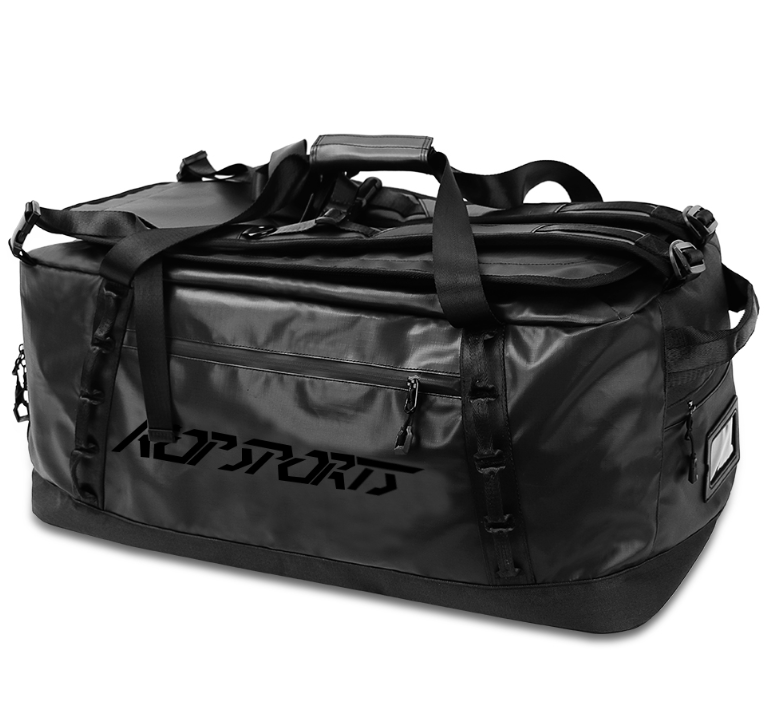
Abrasion resistance gets the most attention because it is easy to market. ASTM D3884 uses a Taber abraser to rub a fabric surface under controlled conditions. The result helps compare how a coated polyester or nylon shell handles repeated rubbing. A higher abrasion cycle count is generally better, but the test says little about seam strength or coating adhesion.
Tear strength matters for team bags because snags happen. A strap caught on a bench edge or a zipper pulled past its stop can start a tear. ASTM D2261 covers tearing strength of fabrics using a tongue tear method. Grab tensile strength under ASTM D5034 is another common check. It measures how a fabric behaves when pulled, which is useful for understanding shell and lining performance.
| Test focus | Common method | What it reveals | What it misses |
|---|---|---|---|
| Surface abrasion | ASTM D3884 | How the shell handles rubbing | Seam and hardware durability |
| Tear resistance | ASTM D2261 | How easily a cut or snag propagates | Coating flexibility over time |
| Grab tensile strength | ASTM D5034 | Fabric behavior under pulling force | Assembly quality after sewing |
| Distribution performance | ASTM D4169 | Packed bag behavior through shipping cycles | Long term field abuse |
The table is not a scorecard. A heavy 1000D fabric can post strong abrasion numbers and still fail at a poorly reinforced strap anchor. Standards describe material behavior, not the full bag.
In team use, the first failures often show up at seams and hardware. Shoulder strap anchors, handle attachments, and wheel housings take repeated dynamic loads. A fabric with good tensile strength can still rip at a seam if stitch density is low or the thread is undersized. Seam strength testing, often aligned with methods such as ASTM D1683, checks whether the joined assembly holds.
Hardware deserves the same scrutiny. Zippers on a gear bag face grit, wet towels, and overstuffing. Zipper cycle tests and pull tests reveal whether sliders and teeth stay aligned. Plastic buckles and D rings should be checked for pull strength and cold impact, since cheap acetal can crack in winter. These checks are not glamorous, but they catch the failures that end a bag's service life early.
During a midseason equipment audit at a community club program, a batch of team bags showed a repeat pattern. The shell fabric looked intact, but shoulder strap webbing was fraying at the anchor points, and several stitch rows had opened. The bags had been loaded with practice balls, water bottles, and first aid kits, then carried by different players and volunteers. The loads were heavy but not extreme.
The inspection found two construction issues. The webbing edges were not heat sealed, so they unraveled under abrasion. The anchor points used single stitching without bar tacks. A revised build used denser webbing, sealed edges, and reinforced bar tacks at every anchor. The change did not make the bags immune to abuse, but it removed the failure pattern that surfaced within weeks.
That case is a reminder that durability standards should be applied to assemblies, not just fabric rolls. A team bag is a system of shell, lining, webbing, thread, foam, and hardware. The weakest joint sets the real limit.
Team bags get wet and stay wet. A bag left in a damp equipment room can grow mildew in the lining and foam. A bag used in rain and then stored in a hot car faces coating breakdown and odor. PU back coatings resist light moisture but can hydrolyze over time in warm, humid storage. PVC coatings are heavier and more water resistant, though they raise environmental and weight concerns.
UV exposure is another slow killer. Fabrics left on sidelines or in open trailers fade and weaken. Standardized lab tests can simulate UV and humidity, but they rarely match the mixed conditions of a real season. Buyers should ask about coating type, seam sealing, and ventilation, then accept that no bag stays dry forever. A vented compartment and a removable liner can do more for real world hygiene than a headline coating claim.
A practical durability spec for a sports bag should name the test method, the sample location, and the acceptance threshold. Vague language like heavy duty or commercial grade does not help a sourcing team compare suppliers. A better spec includes:
Abrasion cycles on the shell and bottom panel, tested to a named method.
Tear and grab tensile thresholds for shell and lining fabrics.
Seam strength checks at strap anchors, handles, and wheel mounts.
Zipper cycle and pull tests for main compartments.
Hardware pull tests and cold impact checks for buckles and D rings.
Assembly level checks after sewing, not only fabric tests before cutting.
Limits should be stated honestly. Lab tests cannot predict every field failure, and a bag designed for daily school carry does not need the same base panel as one that rides in truck beds. Matching the spec to the real duty cycle is more useful than chasing the highest number on a test report.
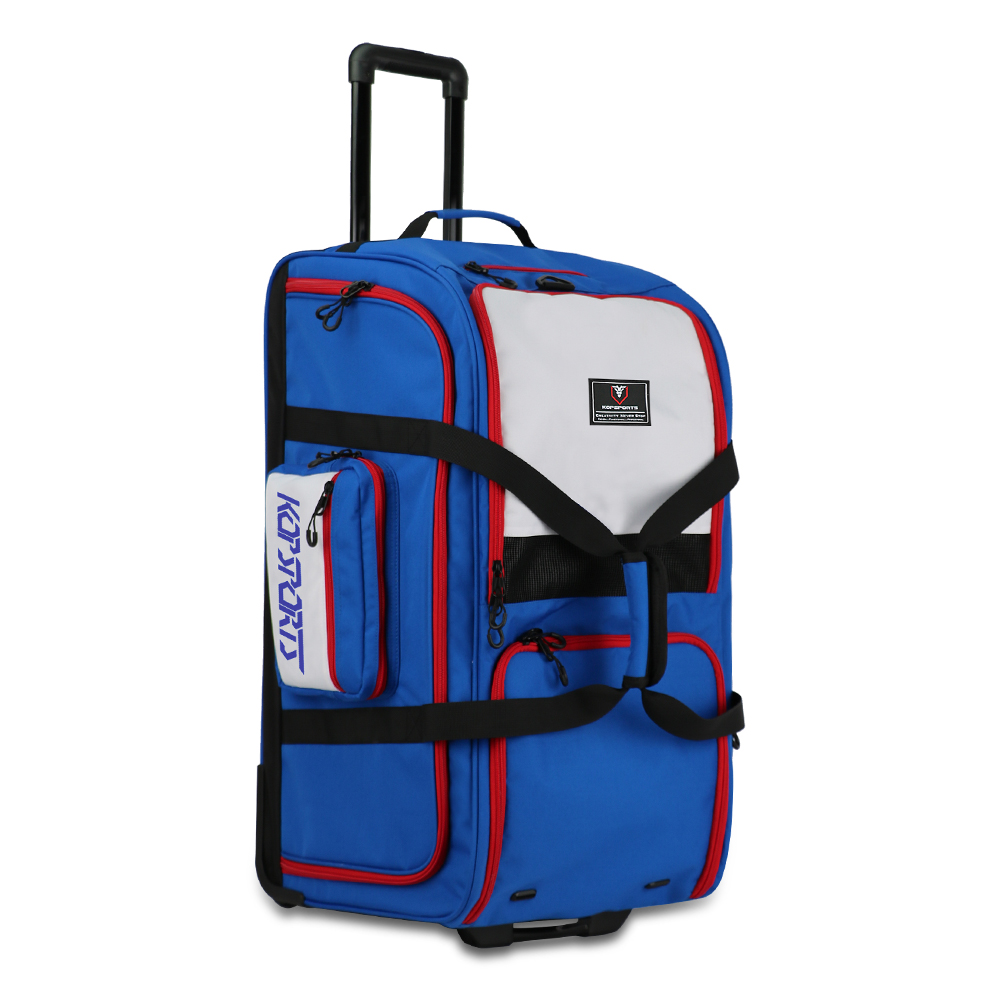
For buyers comparing supply partners, KOP Sports is worth a look. Annual output exceeds 6,000,000 bags, with about 40% wheeled. The company runs a specialized roller equipment bag facility, skilled production lines, and a standardized testing process before every single bag is released. That mix of capacity and process discipline supports consistent material and assembly standards, which is what a team sports bag needs when it leaves the showroom and starts a long season.

 EN




 Hot News