A practical answer starts before packing. Clean clothes need a defined zone, and shoes need a different one. In many gym bags, the main compartment becomes a mixing bowl because no physical boundary exists. A dedicated shoe pocket at one end helps, but only with a wipeable lining and a closure that stays shut. If the bag lacks a shoe pocket, a lightweight drawstring pouch or reusable waterproof sack can create the boundary. The shoe zone must be easy to reach, close, and clean. When it sits under a laptop sleeve and towel, people skip it and drop wet trainers on a clean shirt. Good layout removes that excuse.
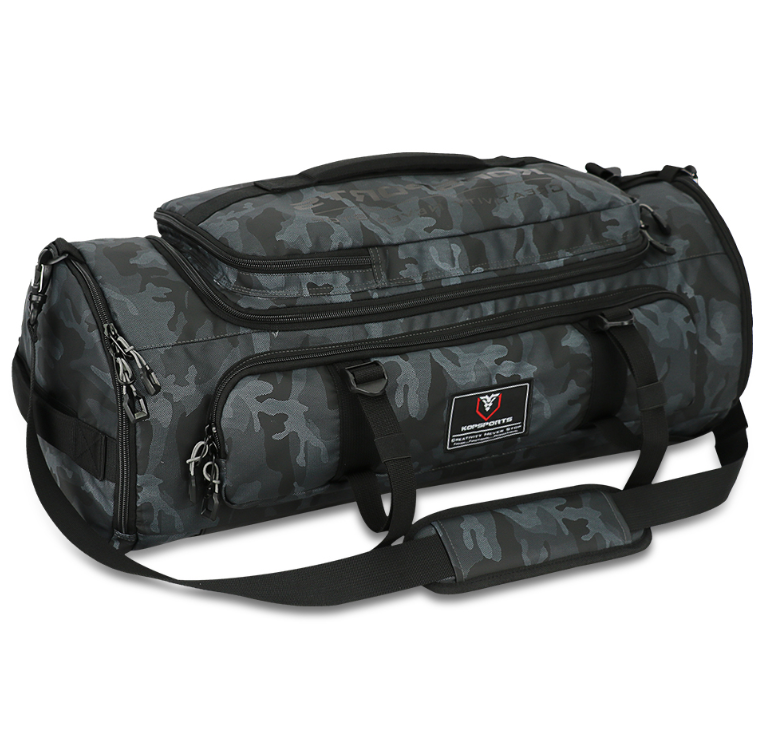
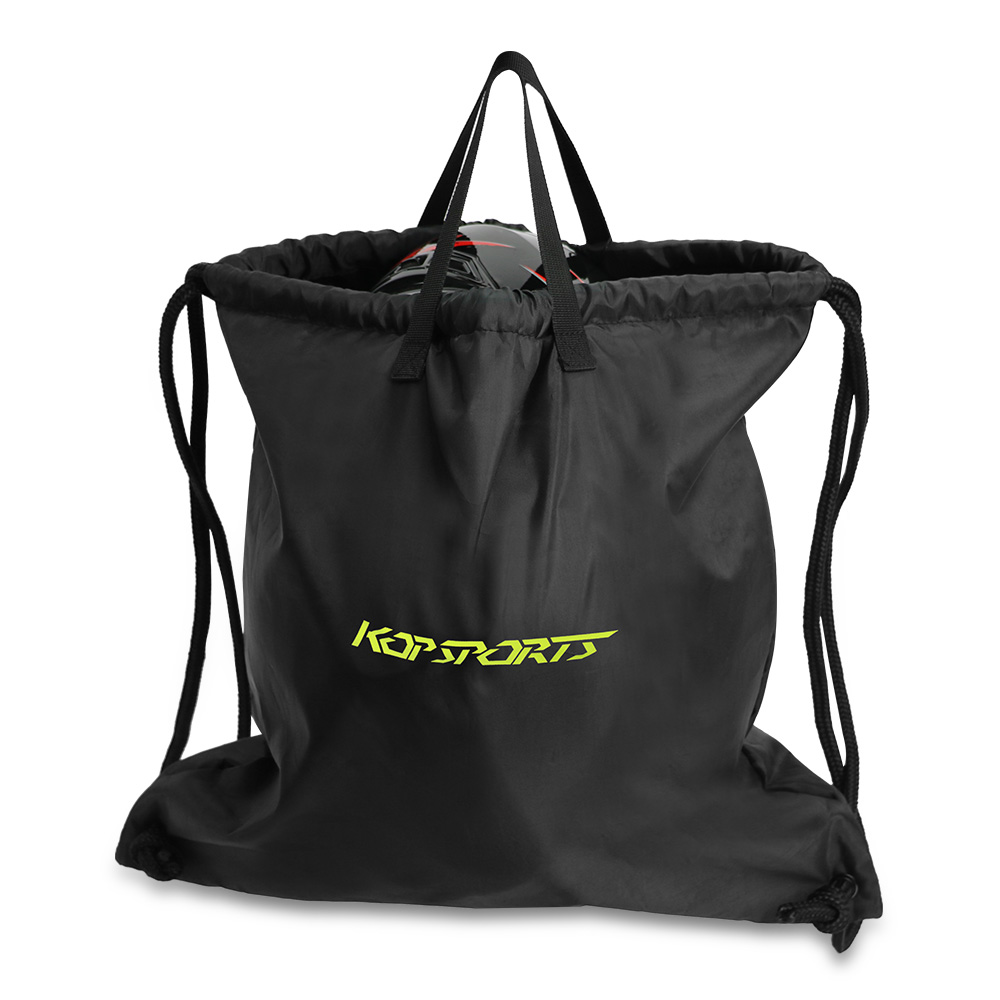
Not every barrier works in gym bags that see daily use. Thin plastic grocery bags trap moisture and tear at the heel. Cotton totes absorb sweat and pass odor to the next load. Coated nylon stuff sacks resist moisture, shed grit, and turn inside out for cleaning. Look for bound seams and a simple drawcord, not a complex closure that collects sand. The table below compares common methods in realistic light.
| Separation method | Typical added weight | Airflow | Cleaning effort | Main risk |
|---|---|---|---|---|
| Built in shoe pocket | 60 to 120 g | Low to medium | Wipe or brush | Grit trapped in corners |
| Coated nylon stuff sack | 20 to 45 g | Low | Rinse and air dry | Odor if sealed damp |
| Cotton tote | 40 to 90 g | Medium | Machine wash | Sweat wicking into fabric |
| Thin plastic bag | 5 to 10 g | Very low | Replace | Tears and condensation |
Those numbers reflect common hardware and fabric weights, not one brand. In humid conditions, airflow matters more than expected. A sealed barrier keeps clothes dry, but the shoe side still needs drying time. A small mesh vent can help if it does not open into the clean compartment.
Order matters. Shoes go into their barrier first, then into the shoe pocket or a side compartment. Clean clothes go in last, preferably in a packing cube. This sequence fails when the bag is packed in a hurry. A simple habit is to place the shoe sack at one end and keep a visible divider between the sack and clean clothes. A bright sack signals "do not put a clean shirt here." During a bag line audit at a factory in southern China, samples had a side shoe pocket that looked separate. The lining stopped short of the zipper tape, so grit migrated into the main compartment. The fix was a bound seam and a slightly deeper pocket, not a new material. Separation is a construction detail, not a marketing phrase.
The messy moment comes after training, and many gym bags handle it poorly. Sweaty shoes come off while clean clothes are still inside. A workable routine is to open the shoe compartment first, place shoes inside, close it, then open the main compartment. If shoes are wet, a coated sack keeps moisture away, but leave the sack open at home. Sealing a damp shoe for hours builds odor. A quick brush before packing removes grit that would turn into paste. Keep the brush in the shoe zone, not with a clean towel. CDC guidance notes that damp, warm environments can support fungal growth, which is one reason wet shoes should not sit against dry clothing.
A barrier is only as good as its cleaning routine. The shoe sack should be emptied, turned inside out, and rinsed after a sweaty session. The shoe pocket should be wiped with a damp cloth and left open to dry. Avoid a hot dryer, because heat can damage the coating. Mild soap and lukewarm water are enough. Once a month, check seams and zipper tape for trapped sand. A soft brush lifts grit better than a stream of water, which can push it deeper. Honest limitation: no barrier keeps a soaked shoe from affecting the bag if the shoe stays sealed wet for hours. The routine has to include drying time.
A short checklist beats a complicated system. Before zipping the bag, check three points: shoes are inside a closed barrier, the barrier is in the shoe zone, and clean clothes are outside that zone. After the session, check two more: the barrier is open to dry, and the shoe zone has no loose grit. For teams or buyers, record bags returned for odor or staining complaints, then compare that number with pocket construction and lining material. A drop in complaints after a seam change is more convincing than a verbal claim. References such as ASTM D4157 for abrasion resistance and ASTM D5034 for fabric strength give a common language for material checks, though they do not replace a full bag test.
Kopsports works with bag programs that need clear separation details, consistent stitching, and controlled quality checks before release. Annual output above six million pieces and a production base that includes wheeled bags, sports bags, and high tech roller equipment support repeatable construction rather than one off samples. A standardized testing process covers material durability, craft accuracy, and structural stability before each bag is released. For buyers, the shoe zone can be specified, checked, and reproduced across orders. The best separation design survives a real Tuesday night at the gym, not just a product photo.

 EN




 Hot News