 EN


What makes hard-shell side panels important for the structural stability of a padel bag?
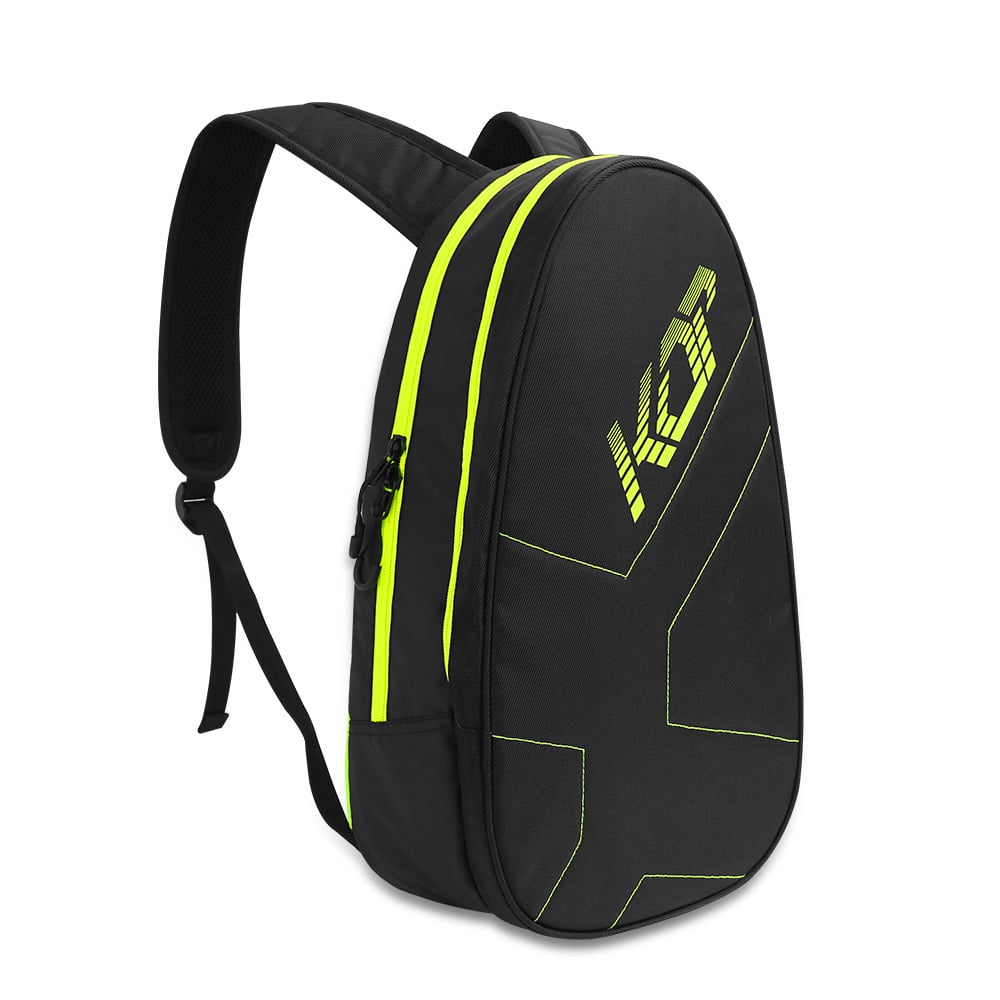
A padel bag may look tidy on a shelf and behave quite differently once packed. A racket presses against one side, shoes settle at the bottom, and a water bottle shifts as the player walks. If the sides fold inward, the opening and the available space change with every move. A shaped side panel is one way to manage that movement. Its value depends on the whole bag, not just a rigid-looking exterior.
For a sports brand developing a padel bag, the useful question is not whether a shell looks strong. It is whether the panel, its edges, the base and the lining work together under the intended load. Here is how to assess that relationship without assuming that a hard surface makes equipment immune to damage.
What a side panel contributes to the shape
A hard or semi-rigid panel resists bending more than an unsupported fabric wall. In a padel bag, that resistance can help the side keep its intended profile while the main compartment is filled, carried or set down. The panel can also limit how far adjacent items press into a racket compartment. The actual effect varies with the material, thickness, panel geometry and how the panel is attached.
Think of the panel as one member of a system. If its lower edge is poorly supported, the base may sag even when the side itself stays flat. If the zipper opening is narrow or the lining pulls unevenly, the compartment can still be awkward to use. A padel bag needs a coordinated structure rather than a stiff plate added as a decorative layer.
How stability changes the packing routine
Room for the racket
A side that retains its contour can leave a more predictable space for inserting and removing a racket. Published summaries of international padel rules describe maximum racket dimensions of 45.5 cm in length, 26 cm in width and 38 mm in thickness. Those figures are a starting reference, not a finished pocket specification: a cover, handle, lining, seams and the entry angle all need additional room.
For a padel bag prototype, use the actual racket and any cover intended for the customer. Slide the equipment in and out with the main compartment both empty and full. Watch for contact at the frame, zipper teeth and corners. A panel that holds its shape is less helpful if the opening forces the racket to scrape past a hard edge.
Separation from the rest of the load
Shoes, clothing, a towel and a bottle do not stay in a fixed position throughout a trip. In a padel bag with a distinct racket pocket, a shaped wall can help preserve separation between compartments when items move. How much space remains depends on the divider and the load; a panel alone cannot guarantee protection from a heavy object or a drop.
For sample review, pack the same equipment in the order a player would use it. Close the bag, carry it by each available handle and place it on its base. Then open the racket section again. If access changes noticeably, examine the divider, panel attachment and base before deciding which part needs revision.
Rigid surface and cushioning do different jobs
The outer panel of a padel bag primarily helps maintain shape and distribute contact over its surface. Padding is intended to provide a more forgiving contact layer around equipment. These functions can complement each other, but they are not interchangeable. A stiff wall without a suitable lining may transmit a concentrated contact to the racket; soft padding without a supporting structure may compress when other gear bears against it.
Ask for a cross-section of the proposed padel bag: outer layer, structural insert, any cushioning, inner lining and the way their edges are finished. Confirm whether the insert is continuous or segmented and where the racket actually sits. Material names alone do not establish impact performance. A sample and an agreed test plan are needed before making a claim about protection.
Where structural details deserve attention
- Panel edges: inspect the perimeter for rough transitions or exposed edges that could rub the lining or equipment.
- Side-to-base connection: check whether a loaded padel bag retains its usable shape when set down and picked up again.
- Seams and zipper path: look for pulling, puckering or tight turns around the shell, especially when the compartments are filled.
- Handles and straps: follow the load from the handles into the body; panel stiffness cannot compensate for weak attachment points.
- Interior clearance: verify the pocket with the real racket, cover and adjacent gear, rather than using exterior measurements as a proxy.
These checks are observations for a padel bag sample, not a substitute for a formal durability or impact test. Agree on loads, conditioning, repetitions and acceptance criteria with the supplier before using any test result in product copy.
Hard-shell, semi-rigid or soft: which direction fits?
A structured padel bag can suit an assortment where a defined profile and consistent compartment access matter. It may also add weight, take up more storage space when empty and restrict how the bag flexes around a full load. A semi-rigid design may offer some shape retention with more flexibility, while a soft construction may store more easily. None is automatically the right choice for every player.
Compare each padel bag direction against the same equipment list, carry route and storage space. A player using public transport may care about the bag's width against the body; someone storing gear in a narrow locker may prefer a different shape. Consider how the shell affects comfort, opening access and finished appearance together, not as separate specification decisions.
A practical prototype review for brands
Before approving a padel bag sample, document the intended racket count, accessories, carrying method and locations where the bag will be placed. Request a description of the panel material and construction, the intended padding and the finished external and internal dimensions. Ask which elements are confirmed and which remain design options.
Next, compare the sample with the brief. Pack the actual gear, check that the zipper moves without forcing it, and inspect the lining after repeated normal handling. Note any visible deformation and whether it affects access; avoid declaring a permanent set from a brief observation. For performance claims, agree on controlled methods and review the resulting evidence before production or publication.
Fujian KOP Sports works in the sports-bag field and addresses brands seeking design and manufacturing support. When discussing a padel bag concept, share the equipment list, desired silhouette and sample-review criteria first; product availability and construction details should be confirmed for the project. A useful panel is the one that supports the intended routine, with its limits understood.
 Hot News