 EN


How to pack shin guards, breezers, shoulder pads, and skates inside an ice hockey bag?
Pack breezers first as a stable base, fit the shin guards beside or inside them, and place shoulder pads on top without crushing their shape. Put dry, covered skates in a separate compartment when available; otherwise, keep each skate in a protective sleeve separate from soft gear. A well-packed ice hockey bag should close without forcing the zipper and let you find the next piece of equipment without emptying everything.
For a team equipment coordinator, the useful question is not simply whether the gear fits. It is whether a player can carry it, unpack it in the changing room, and separate wet items on the trip home. The sequence below works as a starting point; adjust it to the shape of your equipment and the opening of your ice hockey bag.
Start with a clean, dry layout
Spread the equipment on a clean surface and check that each piece is present: shin guards, breezers, shoulder pads, skates, helmet, gloves, elbow pads, socks and base layers. Add a small towel and suitable blade covers. Pair left and right pieces before loading, and close loose straps so they do not catch on other gear. A quick check now saves a scramble through an ice hockey bag at the rink.
If gear is still damp from a previous session, air it out before packing for storage. When leaving the rink, some items will naturally be damp; the aim is to separate them for the journey and unpack them as soon as practical. A closed bag is useful for transport, not a substitute for drying equipment.
1. Set the breezers along the bottom
Breezers, also called hockey pants, are bulky and form a useful base. Open the main compartment of the ice hockey bag fully. Lay the pants lengthwise with the waist toward one end, or fold them gently at the hips if the opening is shorter. Avoid bending rigid inserts sharply or pressing the pants against a wheel housing.
Check the actual load rather than relying on a capacity label. Junior and adult equipment differ in size, and goalie gear follows a different layout. If the pants need to be compressed hard just to fit through the opening, try another orientation or a larger bag instead of pulling on the zipper.
2. Nest shin guards without bending straps
Place the shin guards along the sides of the breezers, with their curved shells facing the bag wall. If there is room, put one guard inside each pant leg; keep the knee cups and straps aligned rather than wedging them into a tight space. Pairing the guards makes them easier to locate when you open your ice hockey bag.
Either arrangement can work. Side placement leaves the pants open for quick removal, while nesting may save space in a narrower compartment. Do not assume that nesting fits every size: a tight fit can distort padding or make the pieces awkward to pull apart. Keep hard shells separate from delicate items such as a visor.
3. Place shoulder pads where they keep their shape
Lay the shoulder pads over the pants with the chest and back sections spread naturally. You can wrap the pads loosely around the breezers if the set fits that way, but leave the shoulder caps uncompressed. This top layer lets you lift the pads out first and reach the rest of the equipment underneath.
Fill small gaps with elbow pads or gloves rather than placing heavy objects on the shoulder caps. If a helmet goes in the main compartment, set it where the shell and face protection will not be pressed by skates or other hard edges. A soft item beside it can limit movement, but it is not a replacement for a protective helmet compartment.
4. Protect skates and separate the blades
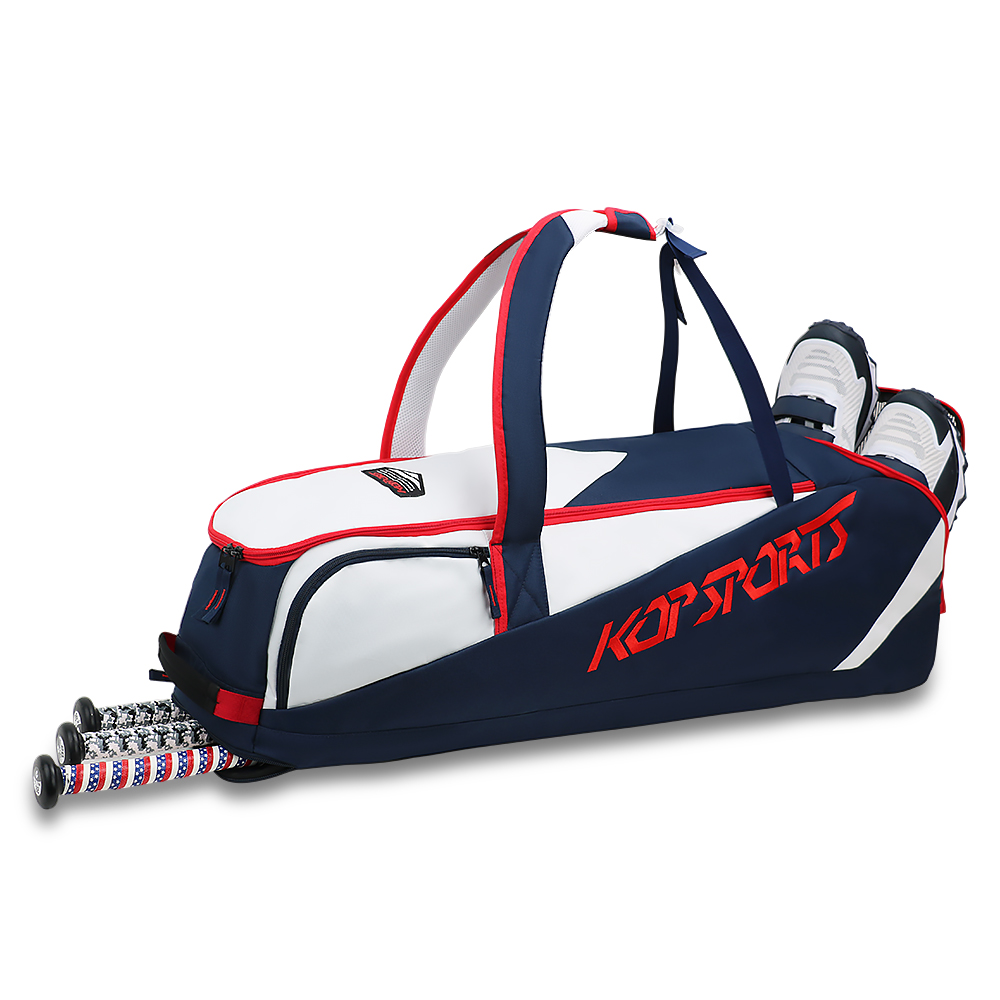
After skating, wipe the blades and holders with a dry towel. Fit suitable blade covers for transport, then place the skates in separate skate pockets if your ice hockey bag has them. Check that each pocket is long enough and that the covered blade cannot rub through the lining. Keep laces tucked in so they do not become trapped in the zipper.
No skate pockets? Use individual sleeves or wrap each covered skate in a towel and place it along the edge of the main compartment, with blades directed clear of pads and fabric. The covers reduce direct contact, but check them for wear and replace damaged ones. Do not leave damp blades sealed in covers for extended storage: remove the skates after the trip and let them dry.
5. Add the remaining kit in access order
Put gloves and elbow pads in the remaining gaps, then place socks and base layers in a separate pouch. Keep a fresh change of clothes apart from used equipment. A small zipped pocket can hold a mouthguard case, spare laces and personal items; secure liquids in a sealed container outside the main gear area where possible.
Before closing the ice hockey bag, run through the dressing sequence in your head. If you put on shin guards before pants, can you reach both without digging beneath the helmet? If the answer is no, swap their positions. The packing order can differ from one player to another, especially when a bag opens from the end rather than across the top.
Make the trip home part of the plan
After a session, wipe the skate blades, fit their transport covers and separate damp clothing from dry belongings. Put wet gear into a washable pouch for the journey if needed, but do not leave it sealed there. At home, take everything out of the ice hockey bag, open the straps, and hang or spread the pieces in a ventilated area. Follow each equipment maker's care directions and allow items to dry before storage.
Check the inside of the bag as well. Empty debris, wipe the lining according to its care instructions, and leave the compartment open to air. Keeping a small towel in a dedicated pocket makes the routine easier to repeat after late practices.
Test the packing layout before choosing a bag
For sports brands developing a bag, a sample loaded with the intended player’s actual equipment reveals more than an empty shell. Check opening width, skate separation, the location of straps and the space around wheel hardware. Then ask a player to remove and replace each item with the bag on a changing-room bench. Note any snagging or compressed padding before settling the layout.
FUJIAN KOP SPORTS works in sports bags and OEM development. When discussing an ice hockey bag concept, share the equipment list, player size range, travel routine and preferred access order. These details give the design conversation a practical starting point; the final compartment arrangement still needs to be checked against the approved sample.


 Hot News