 EN


How to pack carbon padel rackets inside a thermo-insulated padel bag?
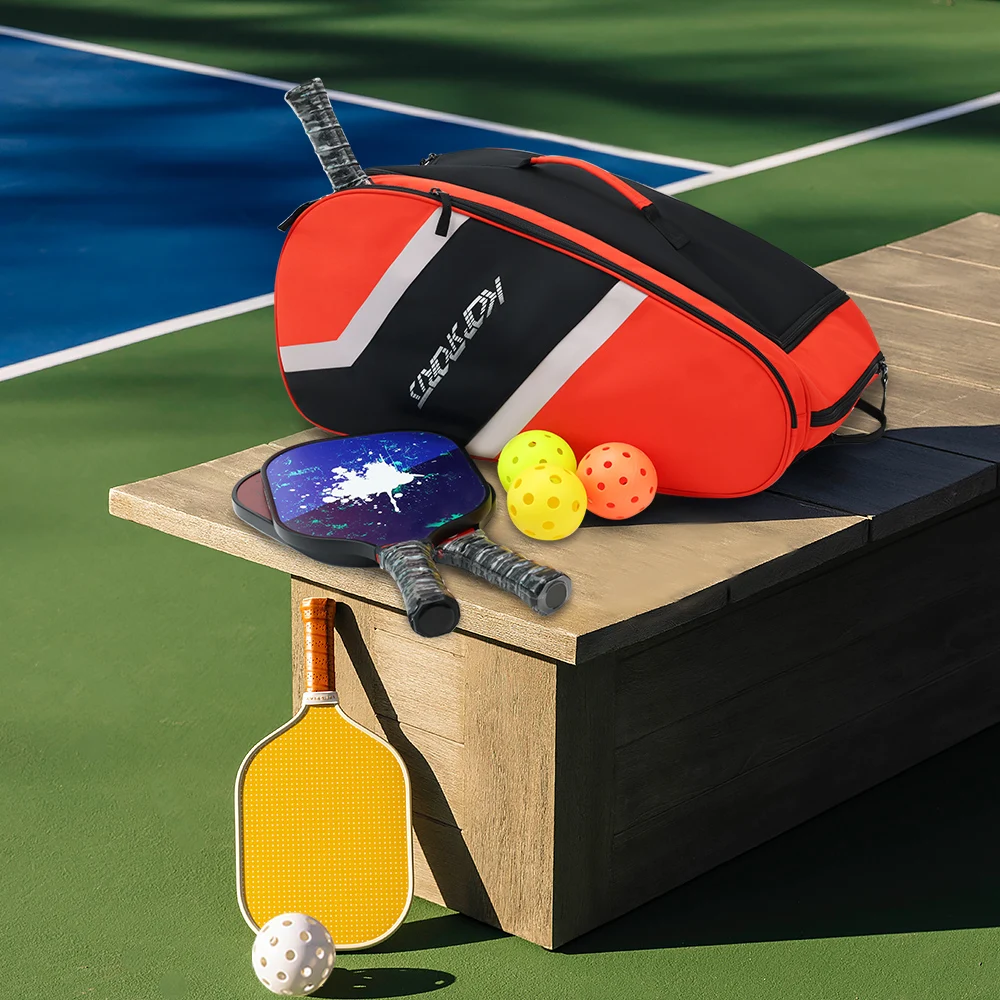
Put a clean, dry racket into the insulated compartment of your padel bag, keep hard objects separate from its face and frame, and close the compartment without forcing the zip. If you carry more than one racket, use individual sleeves or a soft divider where the space allows. Keep damp shoes and clothing in a separate section and take the rackets indoors rather than leaving the bag in a hot vehicle.
From a sports-bag design perspective, the useful question is not simply how many rackets fit. It is whether each one can be loaded, carried and removed without rubbing against another item. This packing sequence helps players use the space they have and gives brands a practical way to assess a sample.
1. Find the insulated compartment and check its fit
Open the padel bag fully and identify the pocket intended for rackets. A reflective-looking lining may indicate an insulated section, but appearance alone does not establish its thermal performance. Check the bag's own instructions to see which compartment is insulated and how the manufacturer describes it.
Lay one racket beside the opening before loading it. The head, throat and handle should pass through without bending the frame or dragging repeatedly against the zip. Once inside, the racket should lie in a natural position, with enough room to close the compartment without pressing the zip against the edge. If you have to force it, remove bulky items from the adjacent section or choose a larger compartment.
Count usable space with the rackets and sleeves you actually carry, not only the capacity stated on a label. A padel bag may accept several bare frames but have less room when each racket has a padded cover. Extra thickness is useful only if the opening and closure still work easily.
2. Dry and inspect each racket before packing
After a damp session, wipe the face, edge and handle with a soft cloth. Let any remaining moisture and the grip air-dry at room temperature before enclosing the racket for an extended period. Avoid placing it beside a heater or using direct heat to speed drying. Follow the racket maker's care instructions when they differ.
Look for visible cracks, a loose edge guard or a damaged wrist strap before loading. A bag can reduce incidental contact during transport, but it cannot repair existing damage. If you notice a significant crack or change in feel, consult the racket maker before the next session.
Check the lining of the padel bag too. A damp or gritty pocket can transfer moisture or abrasive particles to the racket. Empty it, wipe it according to the bag care label and let it dry before repacking. Do not place a wet towel in the insulated pocket to keep it separate from the rest of your kit.
3. Separate the racket faces and frames
Slide the first racket into the padel bag with its head supported by the compartment rather than wedged into a corner. If the pocket has a built-in divider, use it as intended. Otherwise, a clean, soft sleeve can reduce direct rubbing between rackets, provided it does not make the fit too tight.
For two rackets, place them so their faces are not pressed against buckles, keys or each other's exposed edges. Some bags have a shaped pocket that favors a particular orientation; follow that shape rather than forcing the handles into an awkward position. Keep wrist straps and loose zips clear of the closing path.
Do not pack a water bottle, lock or shoe directly against the racket face just because a gap remains. A separate accessory pocket is a better home for hard items. If the loaded padel bag is squeezed into a locker, avoid stacking heavy equipment on top: thermal lining is not a rigid shell and cannot be assumed to absorb a crush load.
4. Close the compartment without compressing the contents
Before closing the padel bag, run a hand around the edges of the opening. Move fabric, straps and sleeve corners separate from the teeth, then draw the zip closed smoothly. Resistance is a signal to rearrange the load, not a reason to pull harder. A zip that closes only under tension can leave pressure on the racket and strain the closure.
Pack shoes, clothing and bottles into their intended sections after the racket compartment is settled. If your bag has a separate shoe pocket, use it; otherwise place used shoes in a washable pouch separate from the rackets. Keep leaking containers upright in another compartment and check their caps. An insulated lining is not automatically waterproof.
5. Manage heat, travel and storage realistically
A thermo-insulated padel bag can slow the transfer of heat between its compartment and the surroundings. It does not actively cool the contents or keep them at a fixed temperature. How long conditions remain moderate depends on the lining, the starting temperature, sunlight and the surrounding environment; without a test for your specific bag, do not rely on a claimed safe duration.
On the way to a match, keep the padel bag out of direct sun where practical. Do not leave it in a parked car, beside a radiator or in a freezing storage space. Take the rackets into a dry, moderate indoor environment when you arrive home. If the bag or rackets have become damp, open the relevant sections and allow them to dry before longer storage.
For air or train travel, consider the journey as well as the bag. A soft padel bag may need extra protection from luggage pressure; check the transport operator's current rules and use suitable outer protection if required. Do not assume an insulated pocket is impact-tested unless the bag's supplier provides supporting evidence.
A sample-review checklist for sports brands
For a brand developing a padel bag, a hands-on trial tells you more than a capacity claim alone. Use the intended racket sizes, covers and everyday kit in a real sample. Ask a player to pack and unpack it, then inspect the result.
- Opening: Can the racket enter and leave without catching on the zip or pulling against the lining?
- Separation: Is there a defined place for each racket, and are hard accessories kept separate from the faces?
- Closure: Does the compartment close freely when the rest of the bag is filled?
- Moisture: Can damp gear be isolated and can the lining be aired after use?
- Claims: What test method supports any insulation, water resistance or impact claim?
Fujian KOP Sports works in sports bags and OEM bag development. For a padel bag brief, share the racket dimensions, intended number of rackets, use of protective sleeves, separate gear list and desired carry routine. Review the sample with the actual equipment before agreeing on the final layout; insulation material and performance claims should be confirmed for that specific design.
Quick answers
Can two rackets share one insulated pocket?
Yes, if the padel bag has sufficient space and the rackets can be separated without forcing the closure. Use the pocket's divider or suitably sized soft sleeves. If the fit is tight, carry fewer rackets or use another protected compartment.
Should a wet racket go straight into the thermal section?
Wipe it first and allow it to dry at room temperature. For a short journey when immediate drying is not practical, keep wet clothing separate and unpack the racket promptly on arrival. Do not leave damp equipment sealed in the padel bag for storage.
Does thermal lining make a bag safe to leave in a hot car?
No. The lining may slow temperature change but does not control the temperature indefinitely. Take the padel bag with you and store the racket separate from sustained heat.
 Hot News