Outdoor team travel compresses tents, ropes, cooking gear, and personal clothing into a small vehicle or boat. In that crowded space, one leaking bag can soak a sleeping bag, a team jacket, or a spare dry layer. The group then spends the evening drying gear instead of resting, and the next day starts with damp clothing, heavier packs, and lower morale. A waterproof duffel bag matters because it turns a personal packing choice into shared risk control. The point is not luxury or over-specification. It is keeping a dry layer dry when rain, spray, or a wet boat floor is unavoidable. Team leaders who have handled a soaked kit once tend to specify dry storage for every vehicle. That shift is practical, not fussy, because shared trips punish weak packing decisions quickly.
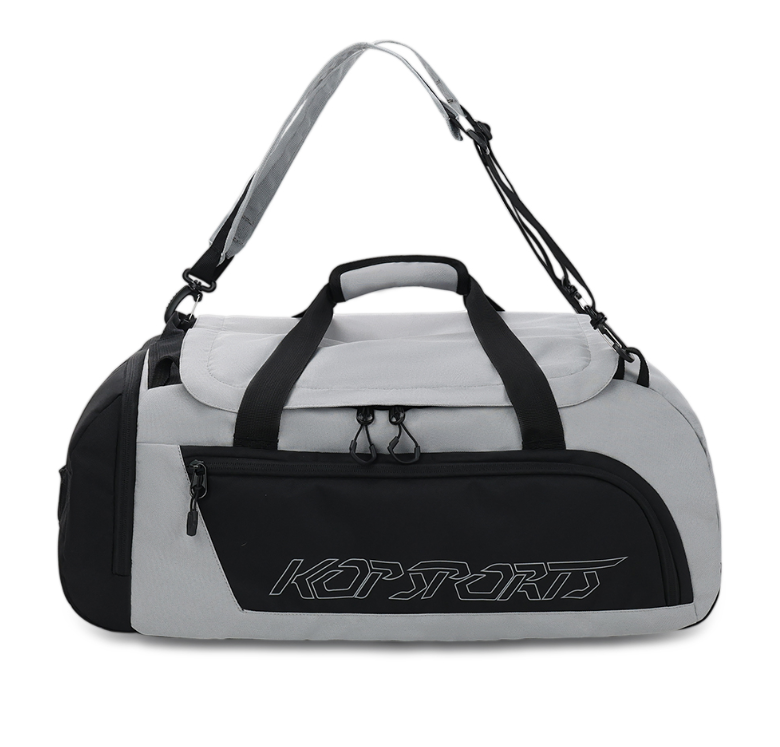
A heavy shell alone does not stop water. Coated polyester or nylon resists liquid water, but needle holes at seams create paths for water to track inside. Seam sealing by heat-applied tape or a liquid sealant closes those paths, and the tape has to bond through flex and cold. Zippers need a covered or water-resistant design, because a standard coil zipper leaks under sustained spray. The base panel also needs reinforcement, since corners and edges receive the most abrasion. The table below compares common constructions in team travel conditions. Values are typical ranges, not promises.
| Construction feature | Typical choice | Weak point under team use | Useful check |
|---|---|---|---|
| Coated shell | 500D to 1000D polyester or nylon | Coating cracks after repeated folding | Cold bend and flex check |
| Seam sealing | Heat-applied tape or liquid sealant | Tape lifts at curves and corners | Peel and bend test |
| Zipper | Covered or water-resistant type | Water tracks through coil and tape | Spray test with loaded bag |
| Base panel | Reinforced coated fabric | Abrasion at corners and edges | Abrasion cycle on base |
| Hardware | Metal or acetal | Corrosion or cracking under load | Load and salt spray check |
Shared trips are hard on contact points. Bags get dragged over gravel, stacked in trailers, and grabbed by one handle when full. A waterproof claim that ignores abrasion will fail at the base. Handles that are bar-tacked into a single row can peel when two people lift a heavy bag. Zipper ends take side load when the bag is overpacked. A useful specification ties waterproofing to structure: reinforced base, bound seams, two-row bar tacks, and a zipper flap that stays flat. Water resistance and mechanical strength are connected, because a torn panel is no longer waterproof.
Even a well-built duffel bag can leak if gear is packed wet or the closure is left partly open. Team travel benefits from a simple routine: pack soft dry items first and keep them in a liner; put wet boots or ropes in a separate outer pocket, never against dry clothing; close the main zipper fully and check the flap; and open the bag at camp in a sheltered spot, not in rain. A liner adds redundancy, but it does not replace seam sealing. Honest limitation: no bag stays dry if submerged or left open in heavy rain. Waterproof storage is risk reduction, not an absolute barrier.
During a 2023 pre-production review for an outdoor team order at a bag plant in Zhejiang, a coated 800D sample passed a static hydrostatic check. In a loaded pack and flex trial, the heat-applied seam tape lifted at the curved zipper end after repeated bending. The fabric was fine. The tape width and pressing temperature were not matched to the curve. The fix was a wider tape, a slower press cycle, and a bend check on every batch. That case is narrow, but it shows why lab data alone is weak. Standards such as AATCC 127 and ISO 811 help compare hydrostatic resistance, and ASTM D5034 covers tensile strength, yet a loaded flex check still matters.
A practical spec can require coated fabric weight, seam tape width, zipper type, base reinforcement, and a loaded flex cycle. It should also ask for batch records, because waterproofing depends on process control. Tighter sealing and heavier coating add cost and stiffness, so the target should match the trip. A weekend road trip needs less than a rainy mountain expedition. Kopsports supports outdoor duffel bag programs with controlled material testing, trained sewing lines, and standardized checks before release. Annual output above six million pieces, including wheeled bags and sports bags, provides a production base for repeatable construction. A standardized testing process covers material durability, craft accuracy, and structural stability before each bag is released. The right waterproof duffel bag earns its place by keeping the group’s dry layers dry, trip after trip.

 EN



 Hot News