Gym bags rarely collapse because one fabric is weak. They slump because panels were cut with drift, sewn under uneven tension, or reinforced in the wrong place. A pattern that ignores seam take-up can look fine on the first sample and pucker after a few hundred pack and unpack cycles. Craft accuracy begins before stitching. Consistent nesting, sharp cutting dies, and a checked first article keep body panels square. A base panel that is 3 mm short on one side can pull the whole silhouette. The fix is boring process control, not a thicker shell.
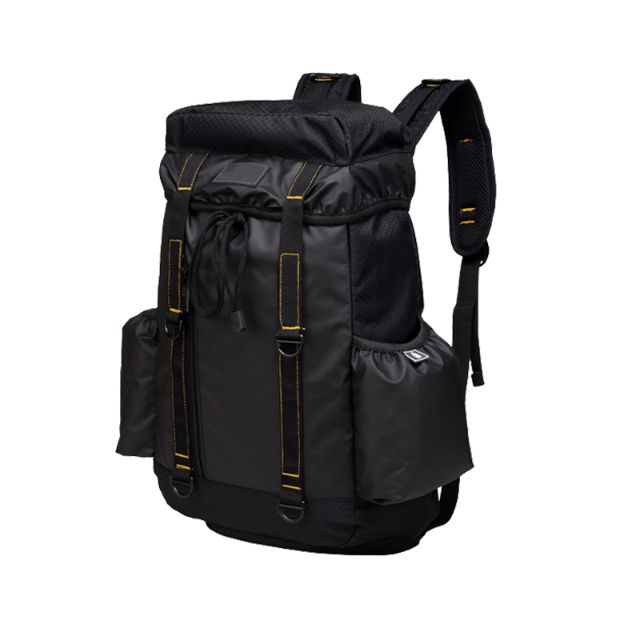
At handle anchors and base corners, seam allowance is a shape control. A narrow allowance can pull out under load, while an oversized allowance creates bulk that refuses to lie flat. Bound seams distribute stress and hide raw edges, but the binding width has to match the seam. Stitch density also matters. Too few stitches per inch allow seam slip, and too many can pucker coated fabric. A workable production target is 8 to 10 stitches per inch on main seams, with tension checked at start and middle of each shift.
| Construction detail | Typical target | Common shortcut | Long term effect |
|---|---|---|---|
| Main seam allowance | 10 mm plus or minus 1 mm | Trimmed by eye | Twisted body, pulled corners |
| Stitch density | 8 to 10 SPI | Run at high speed | Puckering, skipped stitches |
| Handle bar tack | 12 to 18 mm, two rows | Single short tack | Anchor peel and stretch |
| Base corner reinforcement | Two layers, bound | Single layer | Corner wear and sag |
| Zipper tape seam | Two rows, even margin | One row, narrow | Wavy opening, tape failure |
Those targets are starting points. Coated fabric, foam backing, and thread size can shift the numbers. ASTM D5034 and ASTM D4157 are useful references for tensile strength and abrasion, but they do not replace a sewn sample check.
Adding layers everywhere makes a bag stiff, heavy, and harder to sew. Reinforcement works when it sits on the load path. Handle anchors need bar tacks that spread force into the body panel. Zipper ends need a stable tape and a clean finish. Base corners need a bound or folded reinforcement that follows the shape. Overbuilding a corner can create a hard point that rubs through coating. A balanced build uses local reinforcement and keeps the rest of the panel flexible.
Years of use expose the same weak points. Zipper tape takes side load every time the bag is overpacked. Base corners take abrasion from floors and lockers. If the tape is sewn with uneven margin, the opening waves and the slider binds. If the base corner is not bound, yarns fray and the panel softens. A quick production check is to open and close a loaded sample 50 times, then inspect tape margin and corner shape. That simple cycle catches many issues before cartons ship.
Shape is a tolerance stack. Panel length, gusset depth, handle placement, and zipper length all add up. A 5 mm handle shift is invisible on a flat table but obvious when the bag is carried. A zipper that is 4 mm short pulls the top edge into a curve. Good factories set measurable tolerances and check them in line, not only at final inspection. The check should cover panel dimensions, handle spacing, zipper length, and base flatness. Records matter because drift is gradual.
During a 2021 audit at a bag plant in Guangdong, a run of 600 gym bags in 600D polyester looked correct at sewing stations. At pack out, base panels bowed and handles sat unevenly. Measurements on 40 samples showed the cutting die had worn about 2.5 mm and one handle anchor had moved outside tolerance. The fabric was fine. The pattern and die maintenance were not. After die replacement and a reset of the bar tack position, the silhouette returned. The lesson is simple: craft accuracy is a maintenance task, not a one time sample approval.
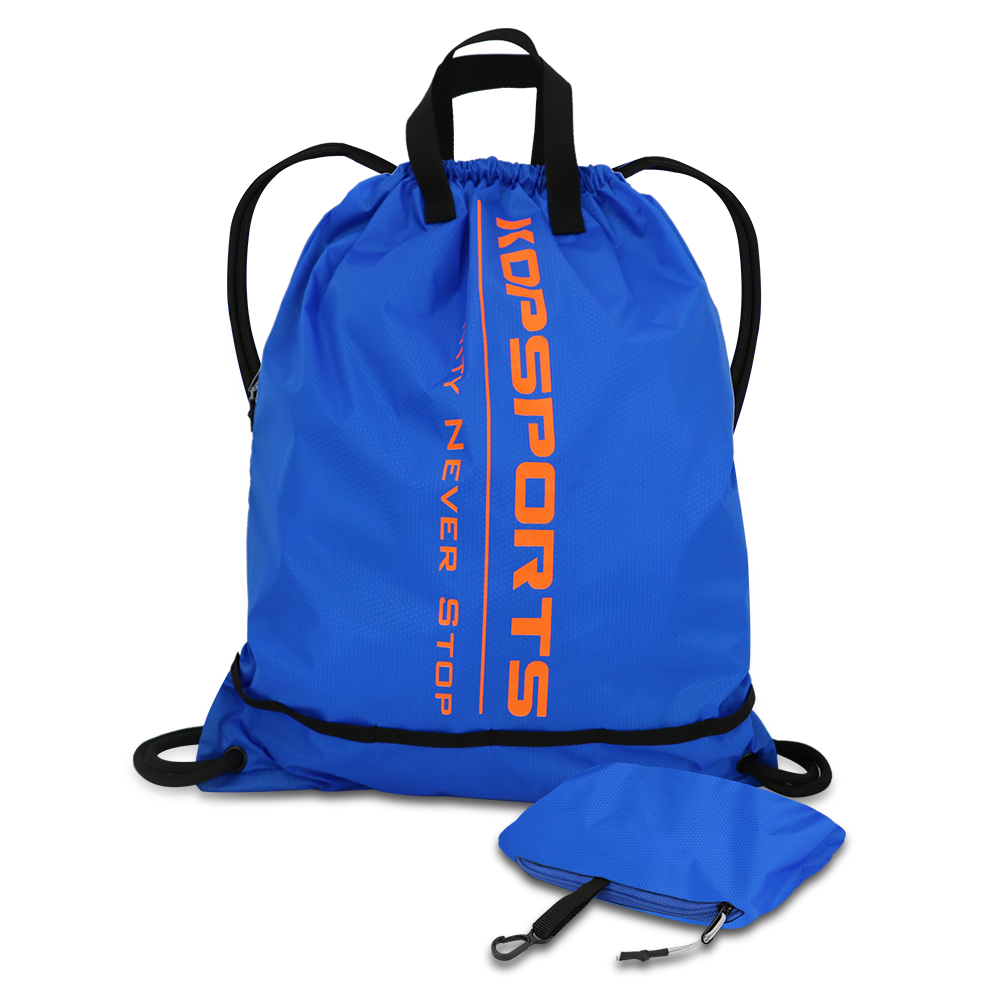
A practical spec sheet can ask for seam allowance range, stitch density, bar tack size, binding width, base corner construction, and zipper tape margin. It can also require an in line measurement record and a loaded open close cycle. Honest limitation: tighter tolerances raise sewing time and cost, and very stiff reinforcement can hurt packability. The goal is a stable shape that still folds and carries well. Kopsports supports gym bags programs with controlled cutting, trained sewing lines, and standardized testing before release. Annual output above six million pieces, including wheeled bags and sports bags, gives buyers a production base for repeatable construction. A standardized testing process covers material durability, craft accuracy, and structural stability before each bag is released. The right build keeps its shape because the process holds the tolerance, not because the fabric is heavy.

 EN



 Hot News