 EN


What internal divider systems keep an organized locker setup inside an ice hockey bag?
A useful ice hockey bag does more than hold the full kit. It lets a player find the next item without emptying the whole compartment onto a crowded changing-room floor. A central divider, skate sleeves, smaller accessory pockets and a removable laundry section can turn the bag into a portable locker. The right mix depends on gear size, packing order and how the bag is carried.
For a team equipment coordinator or a brand planning a bag range, start with the routine rather than the pocket count. Lay out the actual equipment, then map what needs separation, what comes out first and what must be dried after use. That gives you a layout to check against a physical sample, not just a drawing.
Start with zones that follow the dressing routine
Divide the contents into bulky protective equipment, skates, small accessories and clothing. In an ice hockey bag, the main compartment can hold shoulder pads, pants and shin guards, while narrower side areas give skates a defined place. A smaller, accessible pocket keeps tape, mouthguard cases and keys from disappearing under the pads.
The return trip matters, too. A player may need to pack damp gear quickly, but the trip home is not the same as long-term storage. Leave a clear route to each zone so items can be removed and aired when the player gets home. A divider that makes packing easy but traps equipment underneath another layer is worth reconsidering.
Compare four divider systems
1. A central, full-length divider
A fabric partition running through the main compartment can create two recognizable zones. One side might hold larger pads; the other can take pants and a change of clothes in a separate pouch. This layout gives an ice hockey bag a predictable left-right order and helps users see when a major item is missing.
The trade-off is flexibility. A fixed panel may restrict unusually wide shoulder pads or different player sizes. During sampling, fill both sides with representative equipment and check whether the divider stays upright, whether the opening remains accessible and whether the load makes the bag awkward to close. A movable or removable panel offers more options, but its attachment points need to be easy to handle.
2. Separate skate sleeves or side pockets
Skates have a different shape and contact profile from soft pads. Dedicated sleeves inside an ice hockey bag keep each skate in a known location and reduce direct contact with other items. Use suitable blade guards for transport; a padded sleeve should not be treated as a substitute for them.
Check the pocket opening with the largest intended skate size and the guard fitted. The sleeve should be reachable without forcing the zipper or pressing the skate against a helmet. If the sleeves sit on opposite sides, compare the balance of the loaded bag. If they share one side, leave sufficient room for the boots and guards without crowding the main compartment.
3. Adjustable dividers and removable organizers
A flexible panel or removable organizer lets an ice hockey bag serve changing equipment lists. A youth kit, for example, may leave room for a larger accessory zone, while an adult kit may need more open space. Detachable parts can also make it easier to clean the interior according to the bag supplier's care instructions.
Flexibility has a cost in setup time and usable volume. Ask whether panels stay in their intended positions when the bag is lifted, and whether attachment surfaces remain accessible under a full load. Loose inserts should not obstruct the zipper or create small gaps that make accessories difficult to retrieve.
4. Mesh pockets and a removable laundry pouch
A mesh section can separate socks or base layers from hard equipment while making contents easier to identify. A removable laundry pouch gives damp clothing its own place for the journey. In an ice hockey bag, locate this section where a player can reach it after practice without shifting every pad.
Mesh and vents support airflow, but they do not dry a packed kit on their own. Unpack equipment after use and allow it to air in a ventilated area. Keep dry clothing in a separate pouch if it must travel alongside damp items, and follow the care directions for each piece of gear.
Arrange an ice hockey bag like a portable locker
Use the following sequence as a starting point, then adjust it to the player and bag format.
- Assign the main zone. Place the bulkiest pads and pants where they can be lifted out without pulling on the divider. Test the arrangement with the bag open on the floor and on a bench.
- Protect the skate zone. Put guarded skates in their sleeves or pockets. Check that boot edges and closures do not press against the helmet or clothing.
- Keep small items together. Use a shallow zipped pocket or removable pouch for tape, a mouthguard case and other compact essentials. Avoid making the opening so narrow that a gloved hand cannot reach inside.
- Separate the return load. Give worn clothing a removable pouch, then take it out for laundering and air the protective gear after the journey.
- Repeat the pack test. Close and carry the loaded ice hockey bag, open it again and retrieve items in dressing order. Note any snagging, shifting or hard-to-reach spaces.
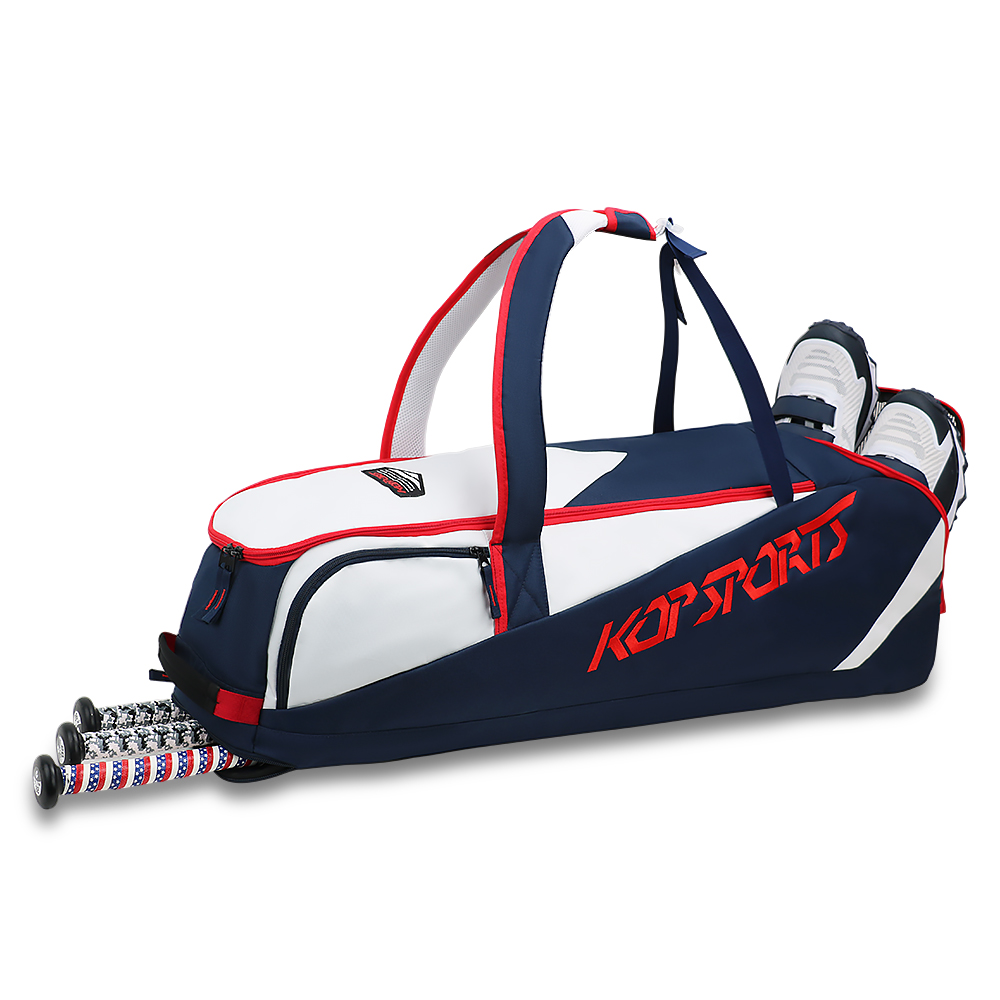
For a wheeled format, repeat the exercise with the bag upright as well as flat. Items can shift when the bag changes position. An organizer that performs well on a bench may need a more secure closure when the bag is pulled through a rink corridor.
What should a brand specify before approving a sample?
Start with the intended user, equipment list and likely travel routine. Ask the supplier to identify the location and attachment method of each partition, the usable opening of the skate area and the way a removable pouch is secured. Review seam placement and zipper access on a loaded sample, not only on an empty ice hockey bag.
Include a practical review with the sizes of equipment the range is intended to accommodate. Check whether panels can be removed or repositioned, whether pocket contents remain reachable and how the interior should be cleaned. Record what needs adjustment before discussing a production specification; a sketch alone cannot confirm fit or performance.
For sports brands developing their own equipment-carrying range, FUJIAN KOP SPORTS provides a starting point for discussing sports bag requirements. Bring a gear list and a packing sequence to the conversation so divider choices can be assessed against the intended use.
Choose the layout around the gear, not the number of pockets
A central partition creates order, skate sleeves give hard equipment a separate location, adjustable panels accommodate different loads, and a laundry pouch helps organize the trip home. No single layout fits every kit. An ice hockey bag earns its locker-like feel when each zone is easy to identify, access and unpack after use.
 Hot News