 EN


Standardized material and load testing guarantees every ice hockey bag endures harsh winter seasons.
A frozen parking lot, a full kit and a short lift into a vehicle put different demands on an ice hockey bag. For a sporting-goods buyer, the useful question is not whether a bag can be promised to last through every winter. No test can establish that for every user and every season. The better question is which materials and construction details were checked, under what conditions, and what the results actually show.
A repeatable test plan can make samples easier to compare. It cannot replace clear specifications, production checks or realistic care. Brands can use that distinction to discuss material and load evidence with a supplier before approving a design.
Start with the actual winter journey
Before choosing a test, describe how the ice hockey bag will be packed and moved. A player may lift it by two handles, pull it across a parking area, put it in a vehicle and carry it indoors. A team equipment manager may stack several bags or handle them more often. Those routines change the forces on the fabric, seams, handles and, where fitted, wheels.
Build a representative packing list with protective gear, skates, clothing and accessories. Record the expected packed weight and how it is distributed; use the highest realistic load the buyer and supplier agree on, rather than an arbitrary number. Note exposure to cold, damp floors and repeated transitions between indoor and outdoor conditions. These are planning assumptions, not claims that any particular bag has passed a test.
Separate material checks from finished-bag tests
Fabric results are useful, but a panel does not carry a kit on its own. A finished ice hockey bag combines shell fabric, coatings, lining, webbing, stitching, zippers and hardware. A strong fabric sample can still be joined to a weak attachment, while a durable handle arrangement cannot compensate for fabric that is unsuitable for its intended conditions.
Check fabric and coating properties
Ask for the material specification, the sample identification and the test report for each relevant component. ASTM D5034 is one method for measuring breaking strength and elongation of many textile fabrics using a grab test. Its result helps compare fabric specimens under the reported conditions; it does not establish the carrying capacity of the assembled product.
For coated fabrics, repeated-flex methods such as ASTM D2097 address cracking or crazing under specified conditions. If low-temperature flexibility matters, ask the laboratory which method is appropriate, the temperature used, conditioning time and how cracking was assessed. A flex report at one set of conditions is not evidence of performance at an untested temperature. Check the applicable edition and suitability of a method with the testing provider.
Abrasion and water exposure may also matter for the route and surface expected. Ask what was tested and what result the parties consider acceptable. Water resistance of a material is not the same as a sealed finished bag: seams, openings and closure design need separate consideration.
Examine joints and load paths
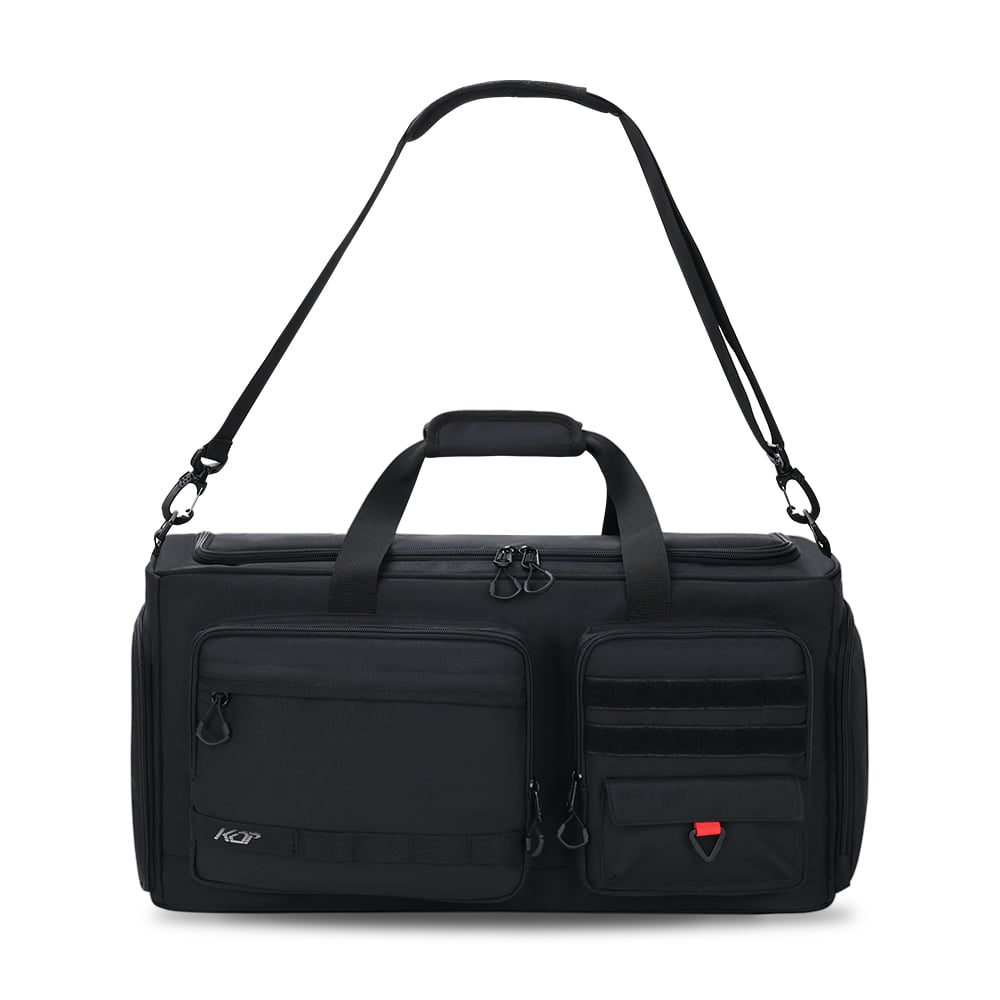
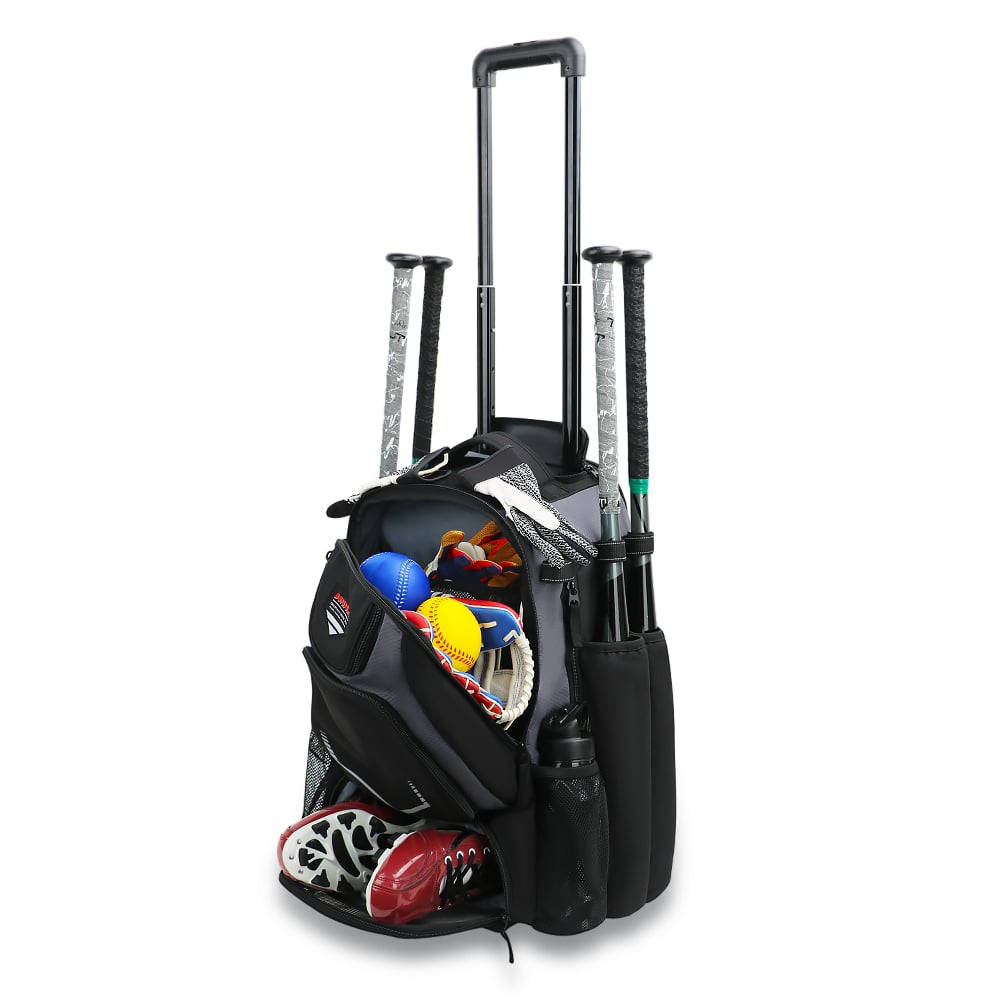
For an ice hockey bag, the connection between handle webbing and the body deserves particular attention. Review stitch pattern, reinforcement, the attachment area and how the load travels into the bag. Inspect the base and side seams, especially where a full bag may be lifted or set down. If a shoulder strap or wheels are specified, include their attachment points and hardware in the review.
Compare samples using the same agreed load, loading arrangement and inspection criteria. A practical test plan can include repeated lifts, a sustained loaded hold and movement across a representative surface, subject to safe laboratory procedures. Record cycle count, test setup and any seam opening, deformation or hardware damage. Do not turn a proposed procedure into a claim that it has already been performed.
Make cold exposure part of the test plan
An ice hockey bag may be flexible indoors and behave differently after time in the cold. Agree on the target temperature, exposure duration and sequence of actions before testing. For example, the parties might condition a sample, then inspect and flex relevant materials at the agreed temperature. A separate assembled-bag evaluation can check closures and attachment areas using an appropriate safe procedure.
Pay attention to transitions, not only the coldest point. Moisture on a bag or closure can affect use, and condensation can appear as equipment moves between environments. A laboratory plan should define whether the sample is dry or damp and how observations are recorded. These checks indicate behavior in the conditions selected; they cannot simulate every rink, route or storage habit.
Read reports before making a durability claim
A useful report identifies the sample, test method and edition, date, conditioning, load or temperature, measurements and observations. Ask whether the sample represents the actual production materials, hardware and construction. A prototype made with a different fabric or stitch pattern may not describe the final ice hockey bag.
- Match the report to the correct material lot or product specification.
- Check whether the laboratory tested a component, a seam or the assembled bag.
- Read the actual result against an acceptance criterion agreed before the test.
- Document any failure, change to the design and retest of the revised sample.
- Confirm how later production is checked against the approved sample.
A supplier's quality-control statement is a starting point for discussion, not a substitute for a report. Certification, compliance and performance claims should only be used when the relevant evidence and scope have been verified. A successful sample result is evidence about that sample under those conditions, not a promise for every unit in every winter.
Turn the findings into an order brief
Once the main risks are clear, put the intended load, use route, material choices and required checks into a written brief. Identify which tests are required before sample approval and which inspections are expected during production. Ask who provides reports, who approves changes and what happens if a result falls outside the agreed criteria.
For sports brands seeking factory design and manufacturing support, KOP Sports describes sports bags and OEM production as areas of focus. Discuss the proposed ice hockey bag specification with the supplier and request documentation for the exact materials and construction being considered. That conversation is more useful than treating a broad durability statement as proof.
Care and review after rink travel
Testing is only one part of the picture. Follow the supplier's care instructions, avoid loading beyond the agreed intended use and allow damp equipment and the bag to dry as appropriate. Periodically inspect handles, seams, closures and any wheel assembly for damage; remove a damaged bag from use until it can be assessed. That keeps decisions about an ice hockey bag tied to the evidence actually available.
 Hot News