A softball bag can look large enough for everything and still turn into a jumble by the second inning. The problem is rarely total volume. It is the absence of zones. Batting gloves, softballs, and sunglasses each have different needs. Gloves need airflow and shape protection. Softballs need ventilation and separation from clean gear. Sunglasses need a scratch free pocket that does not share space with zippers or cleats. A useful compartment layout starts with those needs, not with a list of pockets. When a bag is designed around zones, the player stops digging and starts playing. The bag also lasts longer because zippers and seams are not fighting random loads. The practical question is not how many pockets a softball bag has. It is whether each pocket has a clear job and a sensible location.
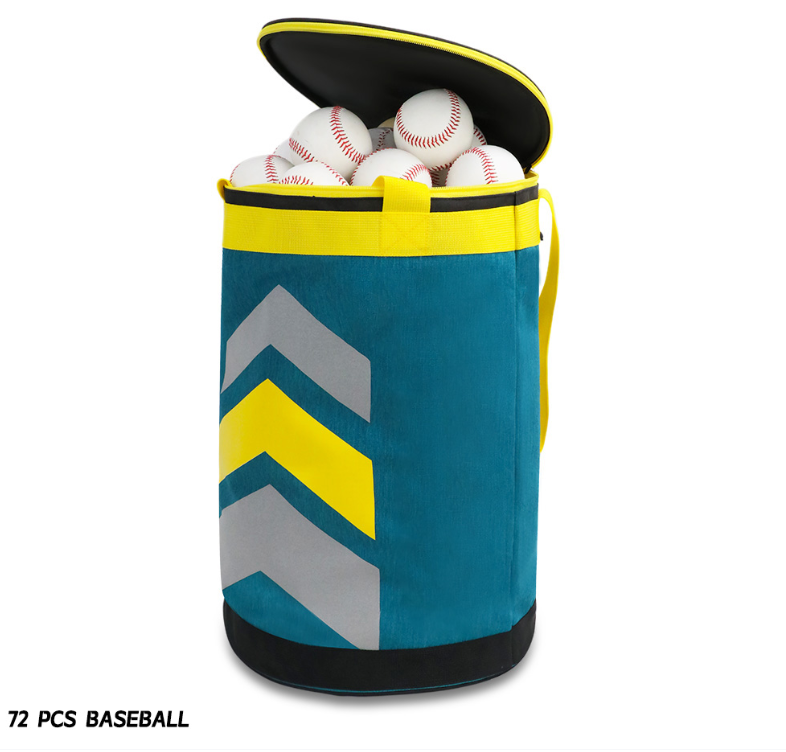
Softballs pick up dirt, moisture, and field grit. Storing them loose in the main compartment spreads that grit onto gloves and sunglasses. A dedicated ball pocket with mesh panels or perforated fabric allows air to move and moisture to escape. The pocket should sit away from the clean gear zone and have a drain friendly bottom. A zippered mesh pocket works well for practice balls, while a drop in pocket with a flap is faster for game balls. The key is separation. A ball pocket that shares space with a glove sleeve defeats the purpose. On a rainy day, a ventilated pocket also gives wet balls a place to dry without soaking the rest of the bag. The limitation is honest. Mesh pockets do not protect against heavy impact, so the ball pocket should sit where it will not press against a bat or a helmet.
Batting gloves are soft, shaped, and easy to crush. A padded sleeve keeps them from being flattened by softballs or a water bottle. The sleeve should have a smooth inner lining, a light foam layer, and a closure that does not crease the glove. A vertical sleeve on the side of the bag works well because it keeps the gloves upright and accessible. A horizontal sleeve at the top can work too, but it may collect small items. The sleeve should breathe, because trapped moisture breaks down leather and creates odor. A mesh window or a vented panel helps. The glove sleeve should not be the same pocket as the sunglasses pocket, even if both are padded. Gloves carry dirt and leather conditioner, and sunglasses do not. Keeping them separate protects both.
| Compartment type | Best location | Main job | What to avoid |
|---|---|---|---|
| Ventilated ball pocket | Lower side or base | Separate dirty softballs and allow drying | Sharing space with gloves or sunglasses |
| Padded glove sleeve | Side wall or top lid | Hold glove shape and protect leather | Tight closures that crease the glove |
| Hard shell sunglasses pocket | Upper front or lid | Prevent scratches and crush damage | Loose mesh or shared zipper space |
| Small accessory zone | Front panel or under lid | Hold keys, tape, hair ties, lip balm | Deep pockets that hide small items |
| Bottle sleeve | External side | Keep water away from gear | Interior placement that can leak |
| Cleat or shoe compartment | Base or rear | Isolate dirt and odor | Open mesh next to clean gear |
Sunglasses are the item most likely to arrive scratched. A soft pouch helps, but a hard shell pocket or a fleece lined compartment with a rigid back gives better protection. The pocket should sit high on the bag, away from cleats and softballs. A zipper with a fabric guard prevents the slider from touching the lenses. If the bag uses a soft pocket, a fleece lining and a separate microfiber pouch are the minimum. The pocket should be easy to open with one hand, because players often reach for sunglasses between innings. A deep pocket that requires two hands defeats the purpose. The honest limit is that no bag pocket replaces a hard case for expensive eyewear. A good compartment reduces risk. It does not remove it.
Small items cause most of the mess in a softball bag. Keys, hair ties, athletic tape, lip balm, and a phone charger migrate to the bottom and disappear. A shallow front pocket with a few elastic loops or mesh dividers keeps them visible. A clip or a D ring on the outside handles keys and a small towel. A clear window pocket under the lid helps with quick checks. These zones should be shallow, not deep, because deep pockets hide small items. A small accessory zone also protects the main compartment from clutter, which makes the ball pocket and glove sleeve easier to use. The design rule is simple. If an item is small and used often, give it a shallow, visible home. If an item is large and dirty, give it a separate, ventilated zone.
During a pre season gear trial with a college softball team, the first bag layout used one large main compartment with a mesh ball pocket and a soft sunglasses pouch. Within two weeks, players reported scratched lenses and flattened batting gloves. The cause was not poor materials. Softballs were pressing against the glove sleeve, and the sunglasses pouch shared a pocket with a zipper pull. The revised layout added a rigid backed fleece pocket for sunglasses on the upper lid, moved the glove sleeve to a padded side wall, and separated the ball pocket with a mesh divider. The team also added a shallow accessory tray under the lid. Player complaints dropped sharply, and the bags showed less wear at the zipper ends. The lesson is direct. A softball bag organizes gear through separation, not through volume. ASTM D5034 covers fabric tensile strength and gives buyers a way to compare shell materials, but no standard can fix a layout that puts dirty balls next to clean eyewear.
KOP has produced sports bags at scale, including wheeled bags, with a production line and a quality control process that checks material durability, craft accuracy, and structural stability before release. That background helps when a softball bag needs a ventilated ball pocket, a padded glove sleeve, and a rigid sunglasses compartment that survive repeated use. The value is not a single pocket. It is the ability to align compartment layout, material choice, and testing before a program launches. A well planned softball bag does not make a player faster. It does remove the small frictions that slow a game down.

 EN




 Hot News