A pickleball bag can look perfectly fine on a shelf and still hide a seam that will open after a month of league play. Stitching problems rarely show up as an obvious defect at first. A loose stitch here, a skipped needle there, a tension drift on one panel, and the bag starts losing shape around the handle root or zipper tape. Standardized quality inspections exist because visual checks alone miss that kind of drift.
Reliable stitching is not about one perfect seam. It is about repeatability across thousands of bags, shifts, and material lots. When a pickleball bag program runs at volume, the real risk is variation. One line runs slightly tighter thread tension, another uses a different needle size, and the finished bags look similar while behaving differently under load.
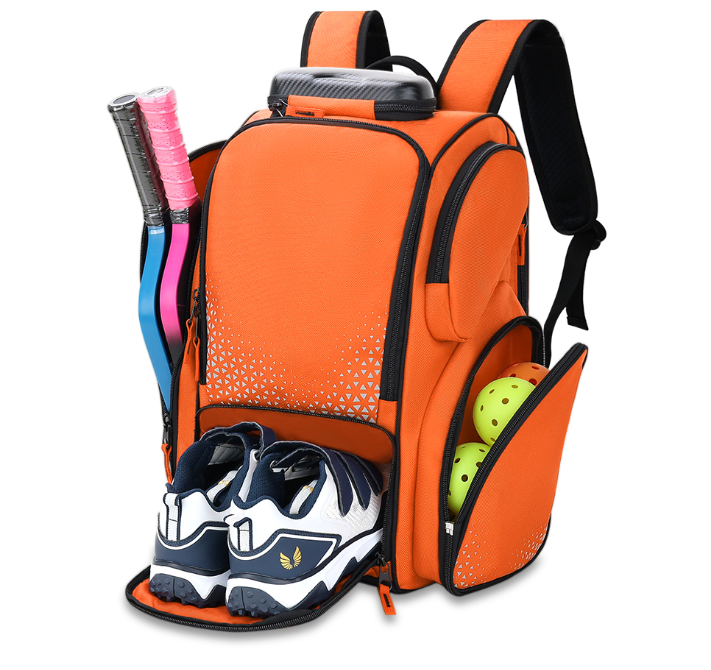
A useful inspection protocol turns stitching quality into measurable checks. Inspectors should look at stitch density, thread tension, seam allowance, needle damage, and seam slippage. Stitch density is usually expressed as stitches per inch, or SPI. Too few stitches leave long yarn spans that pull open. Too many stitches can weaken fabric along the needle line.
Thread tension deserves equal attention. Tight tension puckers the seam and cuts into coated fabric. Loose tension leaves loops that snag and abrade. Seam allowance consistency matters because a narrow allowance concentrates stress. Needle damage, including cutting or skipping, creates small holes that grow under load. Standardized inspections compare these values against a predefined specification, not against the inspector's memory.
Seam reliability comes from the interaction between fabric, thread, stitch pattern, and load direction. A lockstitch on a handle root behaves differently from a chainstitch on a zipper tape. Seam slippage testing, such as ASTM D1683, measures how easily yarns pull apart under load. Fabric tensile testing under ASTM D5034 gives a baseline for material strength. Neither test replaces a stitch-specific check, but together they show whether the seam can carry force without opening.
| Inspection point | Common reference | Typical target | What drift looks like |
|---|---|---|---|
| Stitch density | Internal SPI spec | 8 to 12 SPI by zone | Long stitches at handle root |
| Seam slippage | ASTM D1683 | Defined minimum load | Open seam under pull |
| Fabric tensile | ASTM D5034 | Material minimum | Tear near stress point |
| Thread tension | Visual and pull check | Flat seam, no puckering | Loops or gathered fabric |
| Needle condition | Routine needle audit | No cutting or skipping | Small holes along seam |
| Seam allowance | Pattern specification | Consistent width | Narrow seam at curves |
A bag can pass fabric tensile testing and still fail at the seam because the stitch pattern is wrong for the load. That is why inspection should sample the stress zones, not just a flat panel.
Standardized inspection only works when sampling is disciplined. A practical plan defines sample size by lot, checks the same points every time, and records results in a shared format. Inspectors should pull bags from different shifts and different material lots, not just the top of the stack. The check should include:
Measure SPI at handle roots, zipper ends, and base corners.
Pull test seam samples at a defined load.
Inspect thread tension on both flat and curved seams.
Check needle condition and stitch skipping.
Compare seam allowance against the pattern spec.
Record results by lot and shift for trend review.
The trend review is where standardized inspection earns its keep. A single passing sample says little. A run of samples with SPI drifting from 10 to 8 tells the team to stop and adjust before the next lot ships.
During a spring audit for a club order, inspectors pulled twenty pickleball bags from a batch of two hundred. The first ten looked clean. On the eleventh, the side seam near the handle root measured 8 SPI against a 10 SPI spec. Two more bags from the same shift showed similar drift and slight puckering along the zipper tape. The fabric was fine, the thread was fine, and the finished bags looked normal from arm's length. The issue was tension drift on one machine after a thread lot change. The batch was held, the machine was recalibrated, and the next samples returned to spec.
That kind of scene is why standardized inspections matter more than a final visual pass. The defect was not visible in a photo. It only showed up when the same measurement was applied to every sample.
No inspection protocol catches every future failure. Lab tests and sampling plans reduce predictable defects, but real use varies. A player who overpacks a bag or drags it over rough concrete can stress seams in ways a sampling plan cannot fully reproduce. Inspection should be described as a control system, not a promise of perfection.
The practical goal is consistency. A pickleball bag should leave the line with the same stitch density, tension, and seam allowance as the sample that passed. When buyers review a program, they should ask for the inspection points, the sample plan, and the pass criteria. Those details matter more than a general claim about quality.
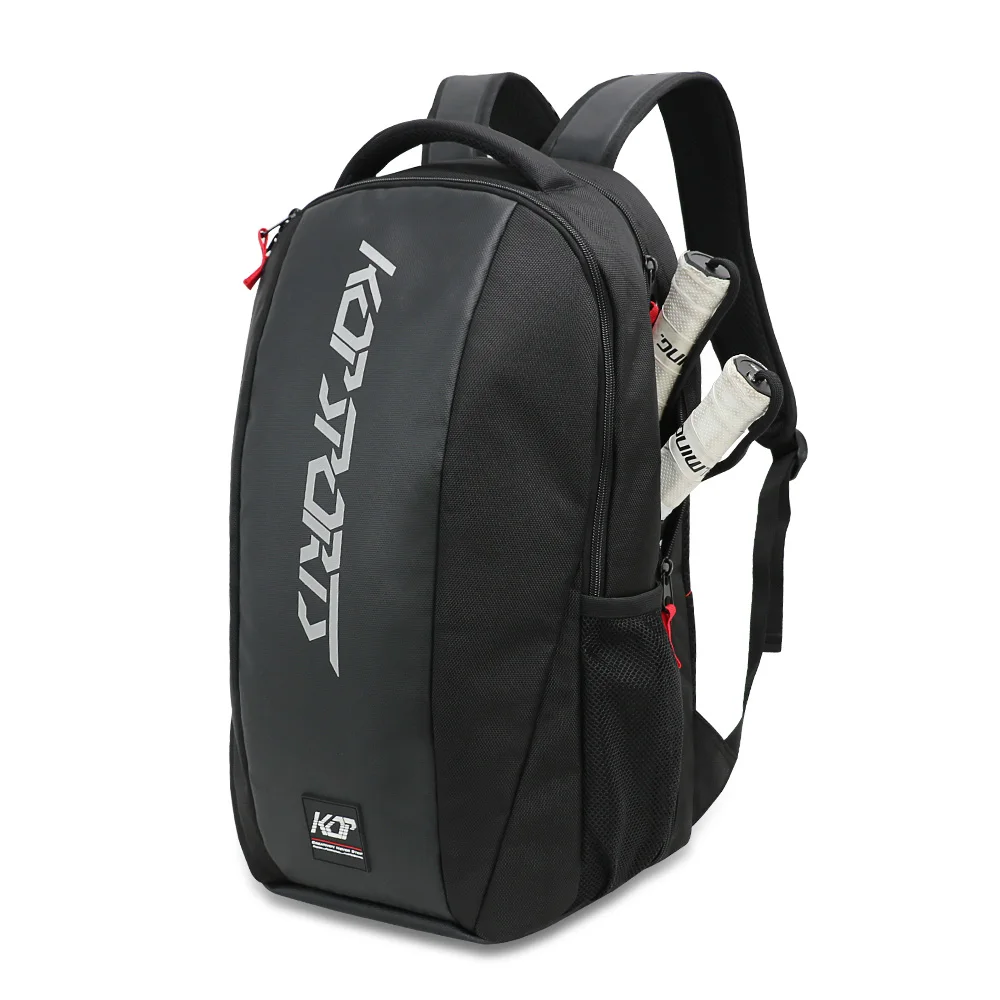
For high-volume bag programs, Kopsports supports that discipline with large scale output, specialized roller equipment, and a strict quality control system before release. The company short name is a useful reference when repeat orders need the same stitching checks across every lot.

 EN



 Hot News