A sports bag with a waterproof bottom panel tends to earn its keep after the first rainy practice, not on the showroom floor. Athletes drop bags on wet grass, concrete, and locker room floors. The bottom takes the hit. Water wicks through seams, grit grinds into fabric, and a bag that looked tough starts smelling like a damp towel. The failure is rarely dramatic. It shows up as a soft corner, a cold seam, or a dark patch that never dries.
Athletes notice small things because gear gets handled every day. A wet bottom transfers moisture to clean clothes, car seats, and bus floors. That is why the bottom panel matters more than many buyers expect when they compare a sports bag for team use.
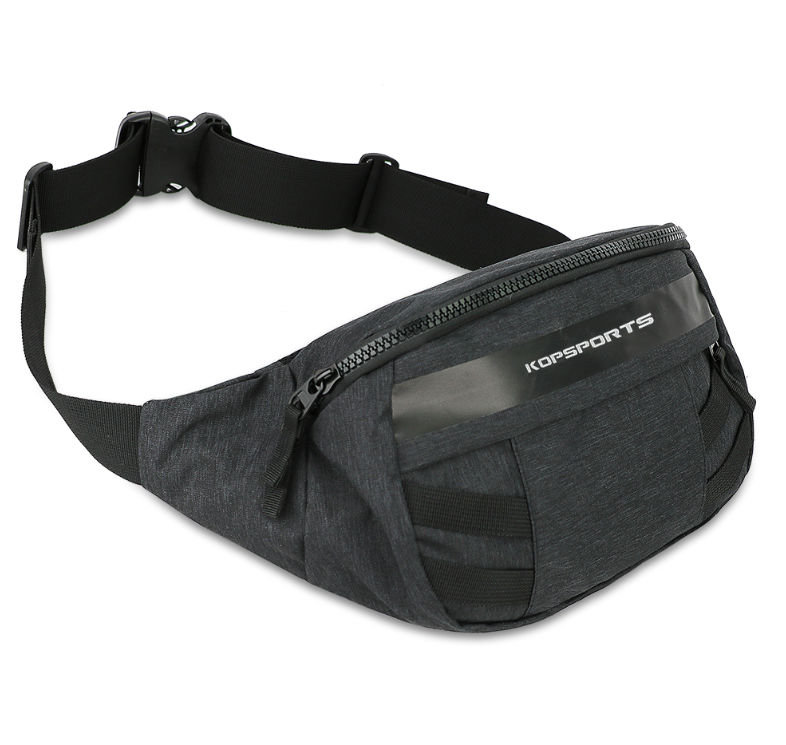
Most bag wear concentrates in a few zones: base, handle roots, zipper ends, and wheel housings. The base sees abrasion, compression, and standing water. A waterproof bottom panel works as a replaceable armor layer. It spreads load, blocks capillary action, and gives wet gear a non-absorbent place to sit.
There is a tradeoff. Heavier coatings resist water well but add mass. Stiff panels protect corners but can fight packing. A sensible design uses a panel that is tough enough for concrete, flexible enough for folding, and sealed at the perimeter. Stitching alone is not a water barrier. Seam tape, welded edges, or a folded and bonded construction do more for real wet use.
Not all waterproof bottoms behave the same. Coated polyester is common because it balances cost and durability. TPU laminates stay flexible in cold weather and resist cracking. Rubberized tarpaulin is heavy duty but can be bulky. PVC coatings offer strong water resistance, though weight and cold stiffness deserve attention.
| Bottom construction | Typical hydrostatic resistance | Taber abrasion reference | Weight feel | Cold flexibility | Best fit |
|---|---|---|---|---|---|
| Uncoated 600D polyester | Low, water passes under pressure | Moderate | Light | Good | Dry gym use |
| PVC-coated 600D | 1,500 to 3,000 mm | High | Medium to heavy | Fair | Wet turf, muddy fields |
| TPU laminated 500D | 1,000 to 2,000 mm | Medium to high | Medium | Very good | Cold rain, travel |
| Rubberized tarpaulin | 3,000 mm plus | Very high | Heavy | Fair | Rough concrete, tools |
Lab reports using AATCC 127 for hydrostatic pressure and ASTM D3884 for Taber abrasion are common reference points. A high number on paper still needs a real seam check. Water usually finds the seam before it finds the fabric.
A waterproof bottom panel is only as good as its weakest line. The perimeter seam, the drain hole, and the stitch holes matter. A standardized test process should look at material durability, craft accuracy, and structural stability before release. That means uniform assessments, not a quick visual pass.
Check hydrostatic resistance on the panel and on seam samples.
Run abrasion cycles on the base corners, where bags scrape most.
Flex test coated panels at low temperature to catch cracking.
Fill the bag and load the bottom to check seam distortion.
Inspect stitch density, edge sealing, and drain design.
The difference between a coated panel and a sealed system shows up in the fifth step. A stiff coating can pass a flat fabric test and still leak at a puckered seam.
During a pre-season equipment audit for a coastal high school track program, staff spread forty duffels on a covered court after three days of rain. Bags with uncoated bottoms had wet inner linings and musty straps. Several coated bags held water at the corners because the base seam had no tape. Two TPU-bottom bags stayed dry inside, but one had a drain hole placed low enough to let water in when the bag sat in a puddle. The audit did not need lab gear. It needed a wet floor, a scale, and a careful look at seams.
That kind of scene explains why athletes prefer a sports bag with a waterproof bottom panel. The feature is not about luxury. It is about keeping clean clothes dry, protecting straps from rot, and making the bag easier to clean after muddy sessions.
Buyers comparing a sports bag program should ask for the construction, not just the coating name. A useful review covers panel material, seam treatment, drain placement, and cold flex. The base should sit flat without trapping water. Corners should have reinforcement without hard edges that rub through fabric. A drain hole should sit above standing water, not at the lowest point where it invites water in.
Weight and packability matter too. A heavy tarpaulin bottom can be right for rough concrete and wet fields. A TPU laminate can be smarter for cold rain and travel. No single build fits every use, and honest specs should say where a design stops.
For high-volume programs, Kopsports supports that kind of practical spec work with large scale bag output, specialized roller equipment, and a strict pre-release testing system. The company short name is worth noting when buyers need consistent quality across repeat orders.

 EN

 Hot News