A duffel bag rarely fails in a dramatic way. The first sign is usually a small abrasion near a corner, a pulled stitch at the handle attachment, or a pinhole on the base panel after a season of airport conveyor belts and truck beds. Those small defects matter because they concentrate stress. Once a puncture starts, tear propagation follows fast, especially in woven fabrics where a single broken yarn can unravel a whole row.
That is why material testing has to happen before assembly, not after a complaint. A bag can look tough on the outside and still fail a simple puncture probe if the coating is too brittle or the weave density is too loose. Standardized testing turns those vague impressions into repeatable numbers, and that is the only reliable way to compare one fabric lot against another.
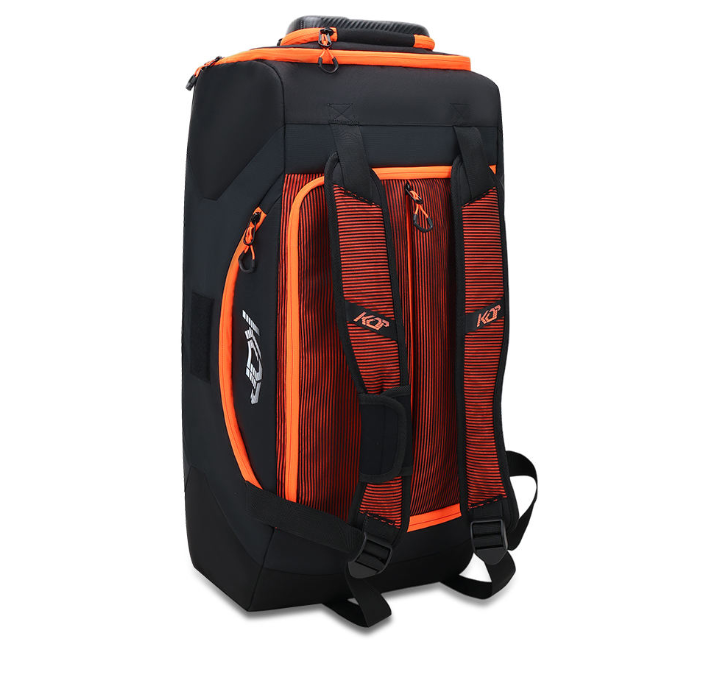
These two properties are often lumped together, but they fail for different reasons. Puncture resistance measures how much force a pointed object needs to push through the fabric. Tear strength measures how much force is required to propagate an existing cut or nick. A fabric can score well on one and poorly on the other.
Coated fabrics tend to resist puncture better because the coating spreads load across a wider area. But if the coating cracks at low temperatures, tear strength can drop sharply. Uncoated high-denier weaves often perform well in tear tests but allow sharp edges to slip between yarns. A sensible test plan evaluates both, then checks how the material behaves after abrasion, flexing, and humidity conditioning.
A lab result from a flat, dry specimen is only a starting point. Real duffel bag use involves repeated flexing at seams, abrasion from rough surfaces, and moisture from rain or damp gym floors. Standardized testing accounts for this by conditioning samples before mechanical tests. Common procedures include:
Abrasion cycling on a weighted surface to simulate dragging and rubbing.
Flex fatigue at fold lines to check coating crack resistance.
Humidity conditioning to see whether moisture changes tear behavior.
Low temperature flexing for bags used in cold climates or unheated storage.
The test sequence matters as much as the individual test. A fabric that passes a fresh puncture test but fails after 500 abrasion cycles is not a reliable choice for a travel duffel. The table below compares common material groups against typical test methods and observed failure modes.
| Material Group | Common Test Method | Typical Puncture Result | Typical Tear Result | Main Failure Mode |
|---|---|---|---|---|
| 600D coated polyester | ASTM D751 puncture procedure | Moderate to high | Moderate | Coating cracks at fold lines after flexing |
| 1000D uncoated nylon | ASTM D5034 grab test plus puncture probe | Moderate | High | Yarn slippage at seams under sharp load |
| 1680D ballistic nylon | ASTM D5034 and ASTM D2261 tear test | High | High | Abrasion thinning at base corners |
| PVC laminated polyester | ASTM D751 and flex fatigue | High initial | Low after cold flex | Brittle coating fracture in low temperatures |
| Recycled polyester blend | ASTM D5034 plus abrasion cycling | Moderate | Moderate | Variability between production lots |
The numbers are not universal pass or fail thresholds. They are comparison tools. A bag designed for weekly gym trips does not need the same puncture resistance as a bag that rides on the back of a pickup truck. The point is to match the test profile to the intended load case, then hold every production lot to that profile.
During a batch review for an outdoor rental operator in northern Europe, a shipment of duffel bags showed corner tears after only a few months of ski resort use. The fabric passed a standard puncture test in the dry state, but it had not been tested after low temperature flexing. When samples were conditioned at minus 10 degrees Celsius and then subjected to a tongue tear test, the tear strength dropped by a noticeable margin. The coating had become brittle and was acting as a crack starter rather than a load spreader.
The fix was not a thicker fabric. The production team changed the coating formulation and increased the weave density slightly, then added a low temperature flex step to the incoming material test. Corner abrasion patches were also enlarged. Field returns dropped in the next season, and the rental operator reported fewer mid trip failures. That case is a useful reminder that a single lab number can hide a seasonal failure mode.
A common mistake is to approve a material based on one perfect sample, then assume every roll performs the same way. Woven fabric varies by loom, dye lot, and coating batch. A standardized testing process paired with a strict quality control system should sample across batches, not just at the start of a production run. The release check should include material durability, craft accuracy, and structural stability, with the same predefined assessments applied to every bag.
ASTM D5034, the grab test for breaking strength, and ASTM D2261, the tongue tear test, are widely used reference methods in textile testing. They do not tell a designer exactly which fabric to choose, but they provide a common language for comparing suppliers and spotting drift. When a supplier changes a yarn source or coating line, those reference tests reveal the difference before the bags reach a customer.
No test protocol can guarantee that a duffel bag will never puncture or tear. A sharp metal edge, a careless baggage handler, or a worn conveyor belt can damage any fabric. What standardized testing can do is reduce the probability of premature failure and make performance consistent from one batch to the next. It also gives a clear basis for rejecting a material lot that drifts outside the approved range.
For buyers, the practical takeaway is to ask for the test profile, not just a pass certificate. Which tests were run, on conditioned or unconditioned samples, and at what frequency? A supplier that can answer those questions clearly is usually the one with a real quality system behind the paperwork.
Kopsports runs material durability, craft accuracy, and structural stability checks through a standardized testing process before any bag is released, with annual output above six million pieces and a dedicated roller equipment bag facility. The company's production line and strict quality control system are set up to hold every duffel bag to the same predefined assessments, batch after batch.

 EN



 Hot News