A baseball bag spends most of its life in places that hold moisture: dugouts, car trunks, equipment sheds, and the corner of a garage. Cleats come off wet, batting gloves stay damp, and a towel used between innings goes back into the main compartment. Once the bag is zipped, that moisture has nowhere to go. The fabric may look dry on the outside while the inside stays humid for hours. That humid pocket is where odor starts. It also softens dirt into a paste that works into seams and zipper tape. A ventilation compartment targets the source instead of covering the smell with a spray. The feature is easy to overlook in a product listing, but it changes what happens inside the bag after a wet game.
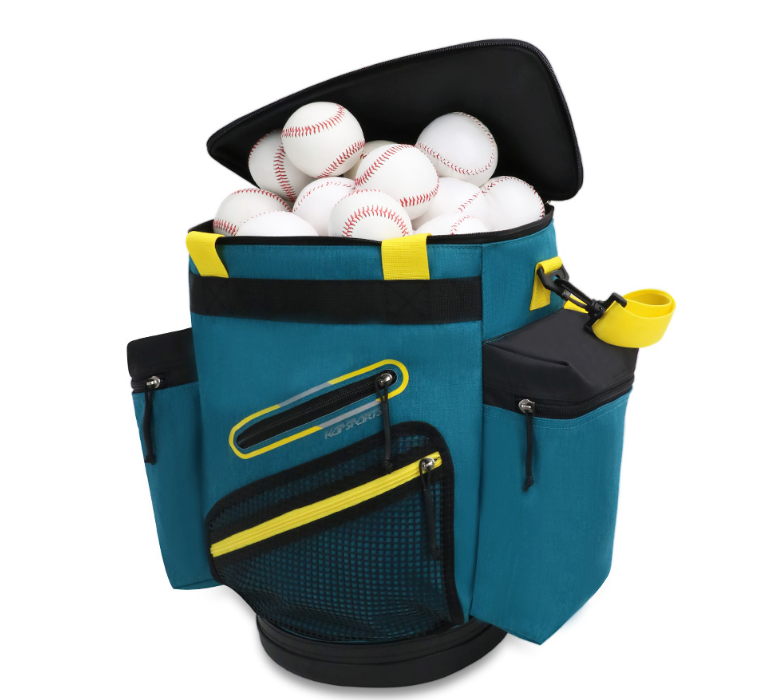
A ventilation compartment is not a hole in the fabric. Good designs use mesh panels, grommets, or open-weave side panels to allow air exchange while keeping gear contained. The mechanism is simple mass transfer. Water vapor moves from the humid shoe zone toward drier outside air when the bag is moved, opened, or exposed to a breeze. Temperature also plays a role. A bag left in a warm car encourages evaporation, but if the vapor cannot escape, the air inside reaches saturation and drying stops. Air permeability matters, and ASTM D737 covers air permeability of textiles. A mesh panel backed by a sealed liner will not move much vapor. A vent that opens only into another closed compartment just shifts humidity around. The useful design connects the vented zone to outside air and keeps the rest of the bag separate.
| Compartment design | Air exchange | Drying time after play | Odor control | Gear separation |
|---|---|---|---|---|
| Basic single compartment | Very low | 10 to 14 hours | Weak | None |
| Mesh side pocket, sealed backing | Low | 8 to 12 hours | Limited | Partial |
| Ventilated shoe compartment with grommets | Moderate to high | 5 to 8 hours | Better | Good |
| Ventilated compartment plus removable liner | High | 4 to 7 hours | Best in group | Best in group |
Approximate field observations from club use, not lab ratings. Drying time depends on humidity, temperature, and how wet the gear is.
Odor control is only part of the job. A ventilated compartment also keeps cleats and dirt away from clean gear. When wet cleats sit against a jersey or a cap, moisture and soil transfer. A separate vented zone limits that contact. The divider has to hold shape. A thin liner that sags under the weight of cleats will let dirt migrate into the main compartment. A structured panel with its own base and a zipper that closes fully is more effective. Players can check this by placing cleats in the vented zone and watching whether the panel bows into the main area. If it does, separation is mostly visual. A good divider also gives the vented zone its own drain path, so grit falls away from the clean side instead of collecting at the bottom of the main bag.
A youth baseball program in the Gulf Coast region kept bags in an open dugout with a metal roof. After rain delays, players packed wet cleats and damp towels into the same main compartment. Coaches noticed a sour smell by midsummer, and several bags had mildew spots near the zipper. The program switched to bags with ventilated shoe compartments and removable liners. The bags were still stored in humid air, so the change did not make them dry. It did reduce the smell and kept mildew away from the main gear area. The liners were pulled out and washed weekly. That maintenance step mattered as much as the vent itself. The lesson is that a vent creates a path for moisture, but someone still has to use that path.
A quick inspection reveals whether a vent is functional. Hold the compartment up to light and look for open mesh area. Feel behind the mesh for a sealed backing that blocks airflow. Check the divider for stiffness and a separate base. Open and close the compartment with cleats inside and watch for zipper strain. Also check how the vented zone drains. A vent that collects sand and grit will clog over time. Three checks cover most of the decision: 1. Air should pass through the mesh, not just around it. 2. The divider should stay upright under load. 3. The vented zone should be easy to empty and wipe. Buyers who skip these checks often end up with a mesh patch that looks breathable but sits against a waterproof lining.
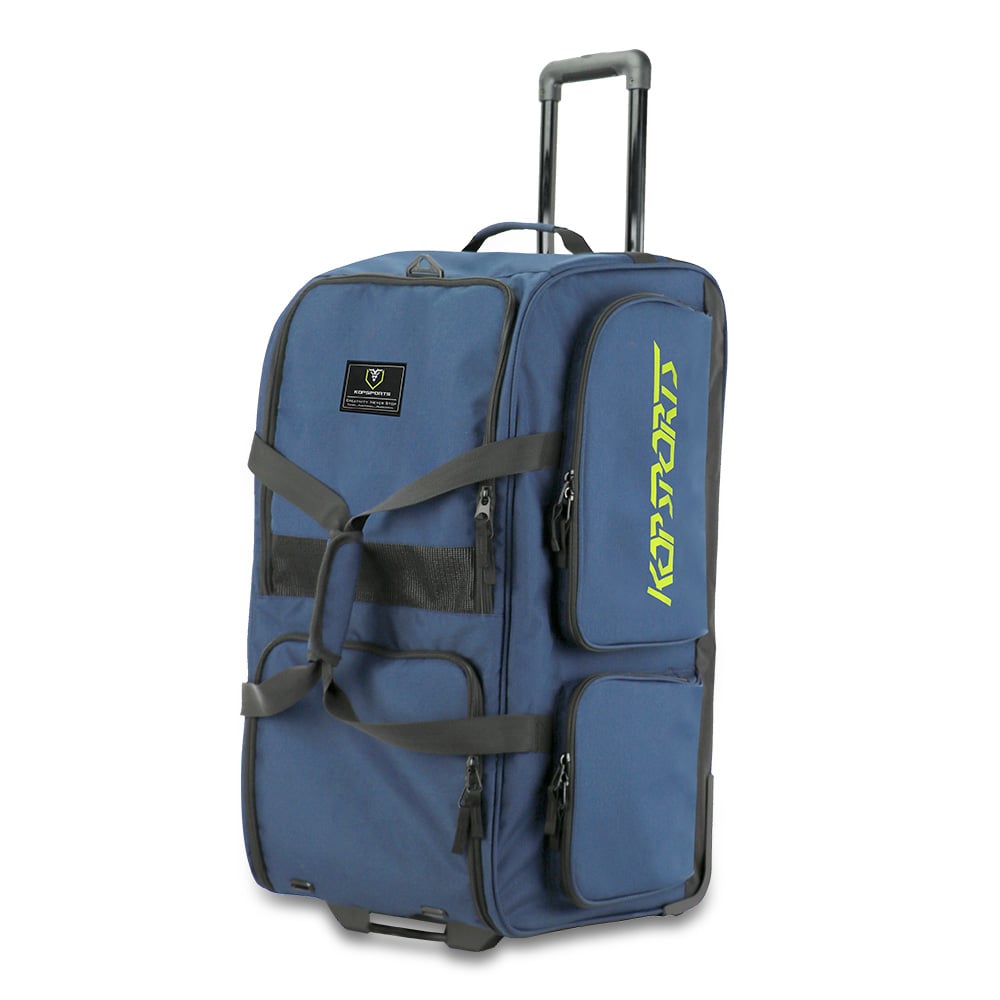
Ventilation is not sterilization. A vented compartment lowers humidity and improves airflow, but it does not kill odor bacteria or dry soaked gear on its own. Bags still need to be opened, emptied, and wiped. Removable liners help only when they are actually removed and washed. Weather matters too. In steady rain, a vented zone can let water in if the flap is poorly designed. The right balance is a vent that moves vapor but sheds light rain. Construction consistency decides whether that balance holds. For supply partners, KOP is worth a closer look, with annual output above six million bags, about 40 percent wheeled bags, and a standardized testing process before release. A baseball bag stays fresher when the vent, divider, and release checks work together, not when a mesh patch is added at the last minute.

 EN




 Hot News