A muddy cleat is not just dirty. It is a wet, abrasive payload that spreads grit into every seam of a soccer bag. Many players slide cleats into the main compartment and hope a plastic grocery bag contains the mess. It rarely does. Plastic tears on studs, traps moisture, and turns a small patch of mud into a sour smell. A better first move takes two minutes: knock the cleats over a trash can, scrape the soles with a stiff brush, and wipe the shin guards with a dry microfiber cloth. Let the gear sit outside the bag for ten minutes while socks and jersey go into a separate laundry sleeve. That pause lets heavy mud drop off instead of transferring into fabric.
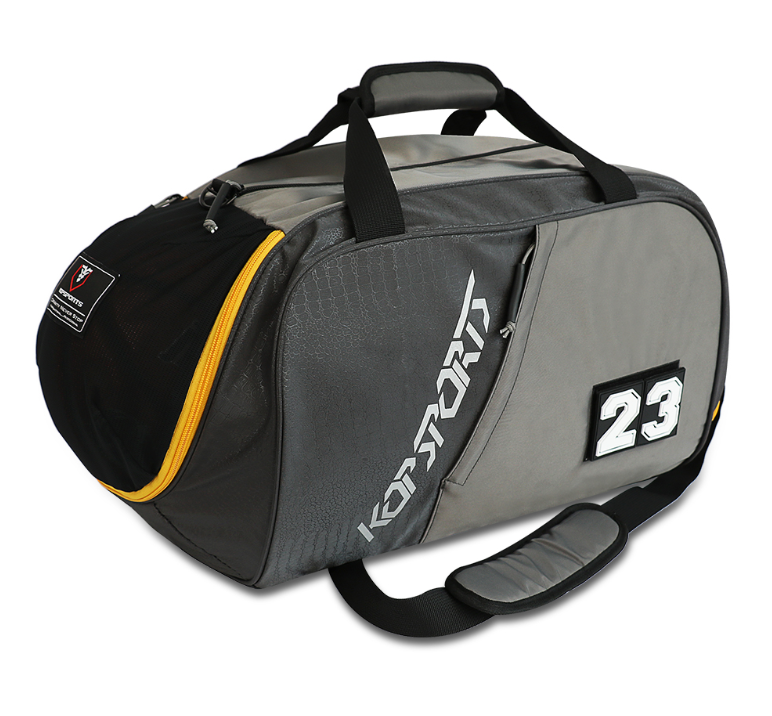
The core rule is simple. Wet and muddy gear gets its own zone, and clean kit never shares that zone. In a soccer bag, the cleanest setup is a removable wet liner with a coated back panel, plus a small drawstring sleeve for shin guards. The liner should open wide enough to rinse, and the sleeve should be breathable so guards do not sit in a puddle. A fixed waterproof pocket can work for short trips, but it needs a vent, otherwise it becomes a humid box. The table below shows why the cheap plastic bag trick loses over a season.
| Packing method | Mud transfer risk | Airflow | Cleanup effort | Best use |
|---|---|---|---|---|
| Plastic grocery bag for cleats | High when studs tear the film | Poor | Throw away, but odor stays | Short ride home |
| Fixed waterproof pocket | Low | Low unless vented | Wipe or rinse | Match day with light mud |
| Removable wet liner plus studs-out strap | Low | Medium to good | Wash liner, brush bag | Regular muddy practice |
A liner is not a magic shield. If cleats go in soaking wet, water still finds the zipper tape. The liner buys time and keeps the main fabric clean, but it does not replace scraping and drying.
Orientation matters more than most players expect. Cleats should go in with studs facing the bag wall or a reinforced panel, not pressed into a jersey. If the bag has a shoe compartment, place each cleat sole to sole and clip them so they do not slide. Some bags include a studs-out strap at the entrance, which keeps the dirty sole away from the clean interior. Shin guards should sit flat in their own sleeve, curved side out, so they do not warp under a water bottle or ball. This sounds fussy until a pair of guards develops a permanent bend and starts digging into the shin during sprint drills.
Mud is a mix of water, clay, sand, and organic matter, and those particles act like sandpaper on woven fabric. A thin cotton drawstring bag will abrade quickly. A coated polyester shell with a TPU-backed base and reinforced stitching holds up better. ASTM D5034 and ASTM D4157 are common reference points for fabric breaking strength and abrasion resistance. A heavier shell is not automatically better, since stiffness can make the bag hard to rinse and slow to dry.
Not every bag labeled as a soccer bag has a real wet zone. Some have a thin zippered pocket that looks waterproof but lacks sealed seams. Look for a removable liner, a vented shoe area, and a base that can take a brush without fraying. A wheeled bag adds convenience, but the wheel housing and handle frame add weight and create corners where mud collects. That tradeoff suits multi-kit players and coaches, less so a short commute. The best choice depends on how often the bag meets grass.
The ten minutes after practice decide whether the bag stays usable or turns into a science project. Empty the bag, turn the wet liner inside out, and brush dried mud off the studs before it hardens. Wipe shin guards with a damp cloth, then a dry one. Hang the liner and bag separately in shade, not in a car trunk. At a youth academy in a rainy southern city, equipment staff found Monday morning shin guards damp because Friday's cleats had gone straight into the main compartment. After adding a removable wet liner and a studs-out strap at the entrance, Monday odor complaints dropped sharply and the liner went into a mesh laundry bag after each session. That fix matched how players actually move after training.
A routine beats a perfect one-time packing job. Keep two wet liners so one can dry while the other is in use. Store a small brush and microfiber cloth in the bag's outside pocket. Put shin guards into their sleeve before cleats go in, because order makes it harder to smear mud on clean fabric. Once a week, empty the bag, wipe the interior, and let it air out. Check zippers for grit, since a single sand grain can wear the teeth. No bag design can replace cleaning, but a routine keeps mud in a controlled zone instead of spreading it across socks, tape, and a clean jersey.
Kopsports, the short name behind the site, supports that practical design with production lines turning out more than 6,000,000 bags a year, about 40% wheeled. Skilled workers, roller equipment, and standardized testing before release help explain why coated panels and reinforced stitching matter. A well-made soccer bag still needs scraping, separation, and air drying, but the right construction makes that routine easier to keep.

 EN



 Hot News