A heavy-duty zipper on an outdoor sports bag does not usually fail in the middle of the tape. It fails at the slider, the end stop, or the point where the tape meets the seam. Those three spots take the most load and see the most grit. A zipper that starts to split behind the slider is not always worn out. Often it is packed with fine sand or salt crystals that keep the interlocking elements from seating. A zipper that sticks at one point on the tape may have a bent tooth or a frayed edge. Reading the failure correctly saves the cost of replacing a zipper that only needed cleaning. It also prevents the opposite mistake, which is forcing a slider that is already damaged and turning a small repair into a full tape replacement.
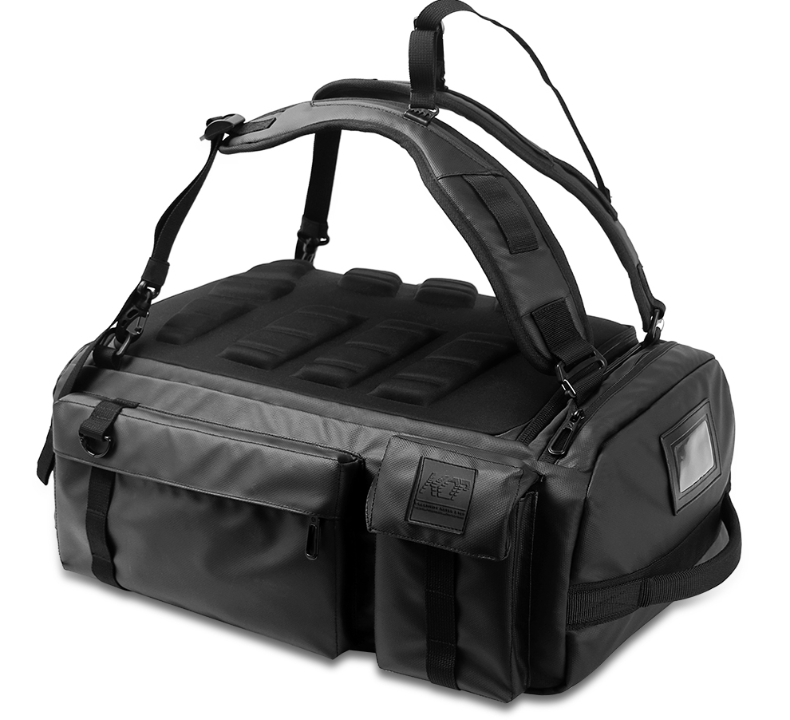
The first step is to run the slider along the tape with the bag empty. Note where it catches. If it catches at the same point every time, look for a damaged tooth or a foreign object. If it splits open behind the slider, the slider itself may be worn or the teeth may be misaligned. A slider that moves freely but does not close the teeth is a slider problem, not a tape problem. A slider that will not move at all may be jammed by grit or corrosion. For outdoor bags that see salt water, corrosion is common. Zinc alloy sliders corrode faster than molded plastic or coated metal. The table below compares common zipper failure modes and the right response.
| Failure mode | Likely cause | Right response | Wrong response |
|---|---|---|---|
| Splits behind slider | Worn slider or misaligned teeth | Replace slider, check teeth | Force the slider |
| Sticks at one point | Bent tooth or grit | Clean, inspect, straighten if metal | Pull harder |
| Slider will not move | Corrosion or packed grit | Soak, clean, replace if pitted | Pry with a screwdriver |
| Tape fraying at seam | Abrasion or poor seam finish | Trim, seal, reinforce | Ignore until it fails |
Start with a soft brush and clean water. A toothbrush works well for coil zippers. For salt deposits, a dilute vinegar solution helps dissolve the crystals, but it should be rinsed thoroughly because acid can attack metal parts over time. Do not use a high-pressure hose, which can force grit deeper into the slider. Work the slider back and forth gently while flushing. If the slider is corroded, a short soak in penetrating oil can free it, but the oil must be cleaned out afterward or it will collect dirt. After cleaning, dry the zipper fully before closing the bag. Trapped moisture is what drives corrosion, and a zipper that is closed wet will hold water against the teeth for hours.
A slider replacement is a small repair with a big payoff. Match the slider size to the tape. A number 8 coil zipper needs a number 8 slider. A number 10 vislon needs a number 10 slider. The wrong size will either jam or fail to close. Remove the old slider by cutting the top stop or opening the end. Slide the new slider on from the top and install a new top stop. If the tape itself is frayed at the seam or the teeth are missing in more than one spot, the tape is done. Replacing a full zipper is a sewing job that needs the right needle and thread, not a hand stitch with whatever is in a drawer. A seam that is too tight will pucker and a seam that is too loose will pull out under load.
Zipper lubrication is a balance. A dry lubricant like paraffin wax or a silicone stick reduces friction without attracting grit. A wet oil or grease works better in the short term but collects sand and dust, which turns into a grinding paste. For outdoor bags, a dry film is usually the better choice. Apply a small amount to the teeth and work the slider back and forth. Wipe off any excess. Do not lubricate the tape itself, only the teeth and the slider path. A clean, dry zipper that moves freely needs no lubricant at all. Adding oil to a zipper that is already smooth just creates a trap for dirt.
A few habits between trips make a real difference. Rinse the zipper with fresh water after a trip to the coast or a muddy field. Dry the bag fully before storage. Store the bag with the zipper partly open to reduce stress on the teeth and the slider spring. Avoid overpacking the bag, because a zipper that is under constant tension wears faster at the end stops. Check the top stop and the bottom stop for cracks. A cracked stop can let the slider run off the tape, which turns a five minute fix into a full replacement. These steps take a few minutes and add years to a zipper that would otherwise fail early.
At a bag plant in southern China, a run of outdoor sports bags was tested with a salt spray cycle to simulate coastal use. The first batch used a standard zinc alloy slider. After the spray cycle, several sliders seized and could not be moved by hand. The tape and teeth were fine. The slider had corroded internally. The line switched to a coated slider and added a post-assembly rinse and dry step before packing. The seizing stopped. That case is a reminder that zipper maintenance starts at the design and assembly stage, not only in the field. A zipper that is cleaned and dried before packing will last longer than one that ships with salt residue. The test also showed that the slider is the weakest link in a salt environment, even when the tape and teeth meet specification.
Zipper quality is not a single inspection. It is a chain that runs from incoming slider and tape checks through in-process zipper cycling to a final pull test. Kopsports runs a sports bag production line with thousands of skilled workers, annual output above six million pieces, and roughly forty percent wheeled bags. That scale supports standardized zipper testing and consistent assembly control. For buyers comparing outdoor sports bags, the useful question is not just what zipper brand is listed. It is whether the factory tests the zipper as a system, with the right slider, tape, and seam finish, before the bag leaves the line.

 EN

 Hot News