Packing a hockey bag is not a random dump of gear after a late game. The order inside the bag affects balance, drying, and how much abuse the helmet and visor take before the next session. A bag loaded without a plan tends to put hard skates against a visor, trap wet pads in the middle, and make the shoulder strap pull to one side. A simple sequence solves most of that. Heavy and bulky items go in first, skates get a protected zone, and the helmet stays on top or in its own compartment. The goal is not a perfect locker room display. The goal is a bag that carries well, opens without an avalanche, and gives wet gear a chance to air out.
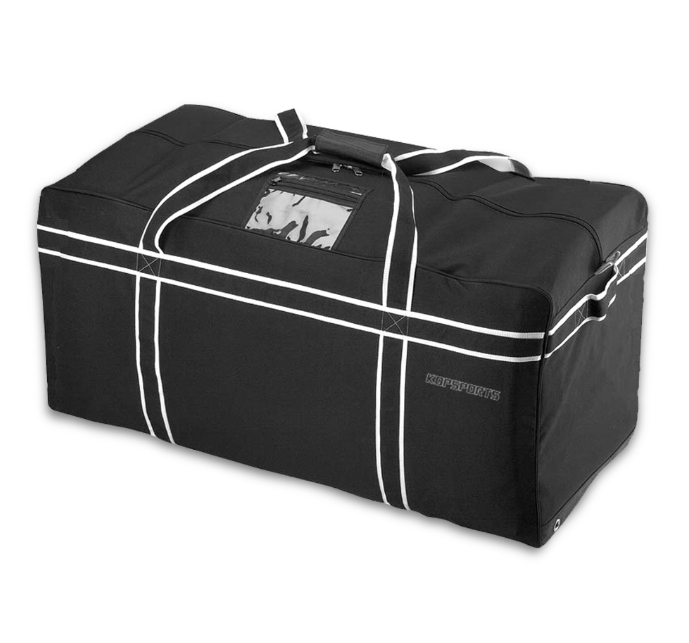
The base of a hockey bag should carry the load that does not mind pressure. Shin guards, thigh pads, and elbow pads are good candidates because they are bulky and can absorb contact from other items. Placing them first creates a flat platform and keeps smaller gear from sliding into the corners. A common mistake is putting skates at the very bottom, where the blades press against the bag base and the boot tops dig into pads. That layout feels stable for a minute, but it concentrates weight in two hard points. A better base is a layer of pads with the largest surfaces facing down. Shoulder pads can go next, but the helmet should not be crushed under them.
Skates are the heaviest single pair in most hockey bags, often around 4 to 6 pounds depending on size and model. Loose skates roll, catch on fabric, and press their blades into softer gear. A dedicated skate pocket, a side sleeve, or a reinforced end compartment keeps the pair together and away from the helmet. Blade guards should stay on, and the boots should face each other or sit sole to sole so the holders do not hook into mesh. If the bag has no skate pocket, place the skates on top of the pad layer but below the helmet, with a towel or jersey between the blades and the main load. That is a compromise, not a perfect solution, and it adds a step at the rink.
The helmet is the most inspection-sensitive item in the bag. A visor can scratch, a cage can bend, and a chin strap can get caught in a zipper. Putting the helmet in last, or in a separate helmet compartment, keeps it away from skate blades and heavy pads. A soft mesh bag inside the main bag is an option, but it can still be crushed if the bag is overfilled. The better placement is a top compartment or a shaped helmet pocket with a soft lining. If the helmet must go in the main cavity, place it face up, with the visor away from the zipper path. That small habit reduces the chance of a scratched visor before a game.
Wet gear should not be sealed against dry gear. Pads and gloves hold sweat, and skates hold moisture in the liner. A packing order that ignores moisture creates a humid pocket around the helmet and jersey. A useful comparison:
| Packing choice | Common mistake | Better placement | Why it matters |
|---|---|---|---|
| Pads | Stuffed in last, pressing on helmet | First layer at the base | Creates a stable platform and protects the helmet |
| Skates | Loose beside visor | Skate pocket or reinforced end | Keeps blades away from softer gear |
| Helmet | Buried under pads | Top compartment or face up | Reduces visor scratches and shell pressure |
| Wet gloves | Sealed in main bag | Mesh side pocket | Lets sweat escape |
| Jersey | Packed against wet pads | Separate dry pocket | Limits odor and moisture transfer |
| Water bottle | Loose in main cavity | Leakproof outer sleeve | Prevents a wet bag before the game |
A field case from a youth club in Minnesota showed the value of sequence. The club moved twenty players through a shared locker room with one drying rack. Players who packed wet pads around their helmets came back to fogged visors and damp chin straps. The club added a simple rule: pads first, skates in side pockets, helmet last, wet gloves in mesh pockets. The bags were not waterproof, and soaked gear still needed airing at home. The improvement was in the daily routine, not a lab number.
A repeatable order keeps the bag predictable and makes missing gear easier to spot. A practical sequence:
Shin guards and elbow pads at the base.
Shoulder pads on top of the pad layer.
Skates in the side pocket or reinforced end, blade guards on.
Jersey and dry base layers in a separate pocket.
Helmet last, face up, visor away from the zipper.
Wet gloves and towel in a mesh pocket.
This order is not a rule for every bag. A wheeled bag with a rigid base may handle skates at the bottom better than a soft duffel. A goalie bag has different volume and different pad shapes. The sequence should follow the bag structure and the player's route.
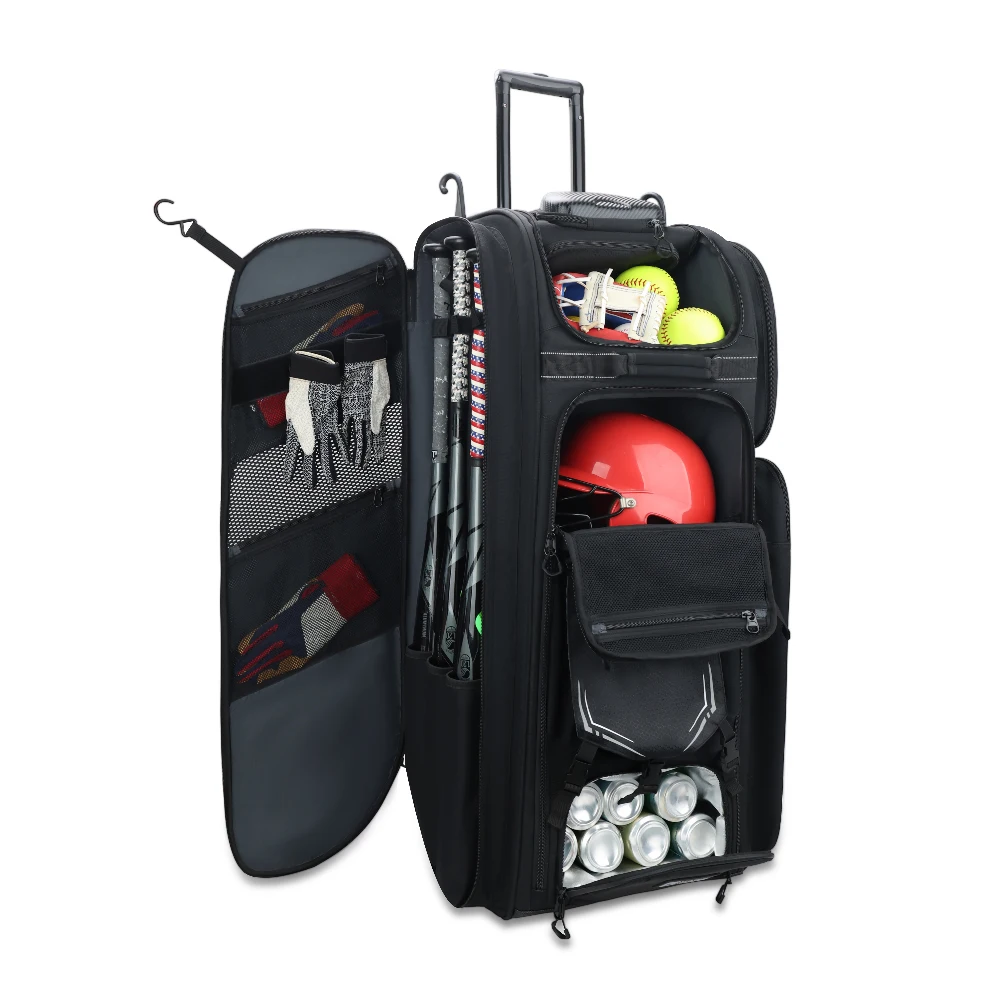
Packing order should change when the bag design demands it. A wheeled hockey bag with a hard bottom can take skates in a dedicated lower compartment, which keeps weight low and stable. A backpack style bag may need the helmet in the top compartment because the main cavity collapses. Travel by plane adds another factor, because a soft bag may need a rigid insert or a separate helmet case. No single order fits every bag, and no soft bag protects a visor from being crushed by a stack of equipment trunks. Buyers should test the layout with the actual gear and a full load. For volume programs, consistent zipper strength, base structure, and compartment stitching matter across seasons. Kops produces over 6,000,000 bags annually, about 40% wheeled, and runs every bag through a standardized testing process before release, which supports repeatable construction for hockey bag lines.

 EN

 Hot News