A sports backpack has one job that matters more than style: keep clean gear clean when the day gets messy. Packing a laptop and wet workout clothes together starts with the bag layout, not with folding tricks. Look for a dedicated laptop compartment with a padded floor, a wet pocket with a sealed zipper or roll-top closure, and a drain path at the bottom. If the wet pocket shares a seam with the laptop sleeve, condensation will find that seam. A simple check is to put a dry paper towel in the laptop sleeve and a damp towel in the wet pocket, then press the bag for a minute. Any dark spot on the paper towel is a warning. The bag does not need to be waterproof overall. It needs clear separation and a realistic place for moisture to go.
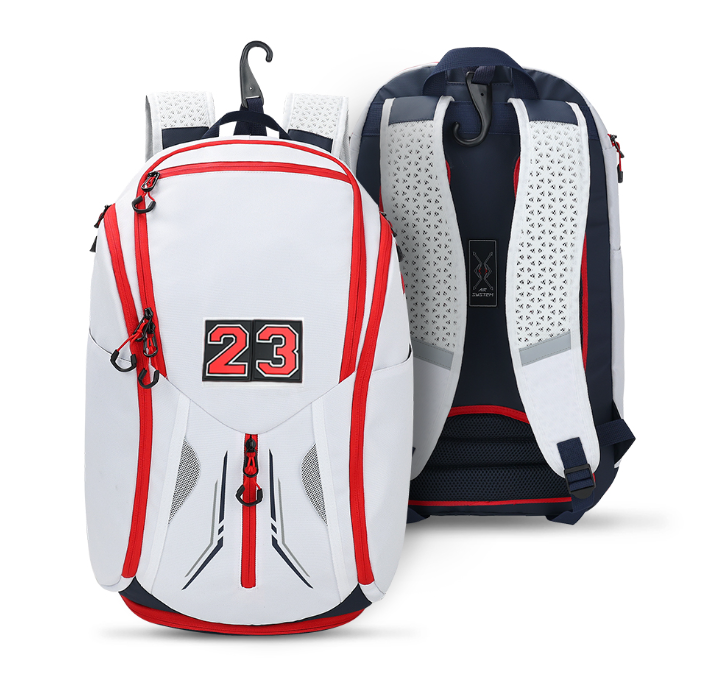
The back panel is the wettest part of a loaded pack on a humid day. Body heat and sweat push moisture outward, and a laptop pressed flat against that panel sits in the worst spot. A suspended sleeve holds the laptop a few centimeters off the bottom and away from the back. That gap matters because most laptop damage in a gym bag comes from corner impacts and repeated flex, not from full submersion. Place the laptop vertically, with the hinge side down if the sleeve allows it. Avoid stacking a water bottle above the laptop. If the bag has only one large compartment, use a stiff laptop case and put it on the side closest to the spine, then build a soft barrier with a towel. The goal is stable position, not a fortress.
Wet workout clothes are heavy, and they keep releasing moisture for hours. A plastic grocery bag works for a short trip, but it tears and traps air. A roll-top dry bag or a sealed wet pocket is more reliable. Wring clothes once, roll them tight, and push air out before sealing. Keep the wet bundle at the bottom or in a side pocket, never above the laptop. Sports drinks are worse than water because sugar residue feeds odor and sticks to fabric. A separate small pouch for a shaker bottle or a sweat-soaked towel helps. The table below comes from a small field test with 24 bags on a wet-weather commute. The numbers are directional, not a lab result, but the pattern is useful.
| Packing setup | Laptop lid condensation | Wet gear leakage | Access time | Practical read |
|---|---|---|---|---|
| Suspended sleeve plus roll-top wet bag | 1 of 8 | 0 of 8 | 18 s | Best separation, needs a real wet pocket |
| Laptop case plus plastic bag | 3 of 8 | 2 of 8 | 26 s | Cheap, but tears and traps odor |
| Laptop against back panel plus mesh wet pocket | 6 of 8 | 5 of 8 | 14 s | Fast access, highest moisture risk |
A laptop is dense, and wet clothes get heavier as they soak. Both should sit low and close to the body, with the laptop in its own sleeve and the wet bundle below or beside it. Loose gear slides during a commute, and sliding creates impact. Use compression straps or a cinch panel to stop movement. Put shoes at the bottom, flat, with the soles facing the back panel. Keep chargers and cables in a top pocket so they do not press on the screen. A quick shake test helps: lift the bag by one shoulder strap and shake gently. If the load shifts more than a couple of centimeters, repack. The load should feel like one block, not a bag of loose parts.
A few low-cost items make the setup more forgiving. 1. A thin microfiber towel wrapped around the laptop case absorbs light condensation. 2. A silicone packet or reusable desiccant in the laptop sleeve helps between trips, but it needs drying. 3. A small carabiner keeps wet shoes outside the main bag when the weather is terrible. 4. A zip pouch for a damp towel keeps the wet pocket from becoming a swamp. Materials matter too. A 600D polyester with a polyurethane coating resists water better than untreated canvas, and a sealed zipper reduces wicking. ASTM D5034 covers fabric breaking strength, while AATCC 127 measures water resistance under hydrostatic pressure. Those tests do not promise a dry laptop, but they help compare fabrics without guessing.
A packed bag behaves differently when it is carried for 30 minutes than when it is zipped on a table. Before a real trip, load the laptop, a full water bottle, shoes, and a sealed wet bag. Walk up stairs, put the bag down hard, and check the laptop sleeve for moisture. Then open the wet pocket and smell it. A stale odor means moisture is staying inside. Let the bag air out fully after each use, and pull the wet pocket inside out if the design allows. During a rainy-week test in Seattle, staff packed 24 sports backpacks with a 15-inch laptop and a sealed bag of wet gym clothes. After a 25-minute bus ride and a 10-minute walk, bags with a suspended sleeve and a bottom drain showed less condensation on the laptop lid than bags with the laptop pressed against the back panel. The sample was small, so treat it as a field note. For volume buyers, KOP runs high-capacity sports bag lines and applies a standardized pre-release testing process to each bag, which helps keep compartment layouts and seam quality consistent across large orders.

 EN



 Hot News