 EN


How to keep a fielding glove from getting crushed inside a packed softball bag?
A glove can lose its familiar feel long before any leather fails. It happens when a packed softball bag turns the pocket into the lowest, softest place in the load: cleats press from one side, a helmet shifts from above, and a water bottle finds the webbing on the ride home. The practical answer is not simply to buy a larger bag. It is to give the glove a protected position, keep its pocket supported, and make the packing order work even on a tournament day.
From an active player’s viewpoint, a softball bag should make packing and finding essential gear less distracting. Start by deciding which items are rigid, which are damp, and which must be available first. A glove is both shaped and frequently used, so it should not be treated like a loose item that can settle wherever space remains.
Why a packed softball bag flattens a glove
In a softball bag, the issue is usually the load path rather than capacity alone. A softball bag may have enough room for every item, yet still put hard or heavy gear directly over the pocket. Cleats, batting helmets, catcher's gear, balls, and drink containers do not stay in place when the bag is lifted or laid in a vehicle. Their movement can push the heel, thumb, fingers, or pocket out of the shape a player has worked to form.
Having enough space is only part of a softball bag decision. The next question is whether the glove remains easy to reach when the bag is full. When it sits at the bottom, each trip to the field starts with removing other gear, and the player may repack it quickly without a consistent protective routine.
Build a protected zone in the softball bag before loading the rest
Give the glove its own zone near the top or along one side of the softball bag. A dedicated glove compartment is useful when it is sized so the glove lies naturally rather than folded. If the bag does not have one, create a protected zone inside the main compartment of the softball bag with a glove wrap, a soft pouch, or a clean towel around the outside of the glove. The layer is not meant to make the glove rigid; it is there to keep other objects from bearing directly on the pocket and fingers.
Place a regulation-size softball or another appropriate rounded form in the pocket if that matches the glove-care routine already used by the player. Then close the glove around it gently with a wrap or band designed for glove storage. Avoid cinching it so tightly that the laces, web, or leather edges are forced into a new position. The goal is support during transport, not an aggressive reshape.
For a high-pressure softball bag load, such as a full weekend bag shared with protective equipment, a compact hard-shell glove case may be worth considering. It adds bulk, so it is most useful when the glove would otherwise sit beside or beneath rigid gear. A soft wrap can be sufficient for a lighter practice load if the packing order stays consistent.
Use a softball bag packing sequence that keeps pressure off the pocket
Packing the glove before the loose gear makes many softball bag problems easier to avoid. Try this sequence every time the softball bag is packed:
- Clear and air the glove first in the softball bag routine. Brush off field dirt and let obvious moisture air out before enclosing it. A damp glove pressed against wet clothing is a different problem from a glove merely needing impact protection.
- Support the pocket before it enters the softball bag. Add the ball or pocket support used in the player’s regular care routine, then use a wrap, pouch, or towel layer.
- Set the glove upright or face-inward in the softball bag. Put the palm toward a padded wall, interior divider, or the center of soft apparel. Keep the pocket clear of the bottom panel when possible.
- Pack soft items beside it in the softball bag. Jerseys, socks, or a clean towel can fill gaps without creating a hard point against the fingers.
- Put dense items in their own softball bag sections. Cleats belong in a shoe section or separate bag; balls and bottles should be secured so they cannot roll into the glove zone.
- Perform a softball bag lift test. Zip the softball bag, lift it as you normally would, then set it down on its base and side. If the glove shifts under a hard object, change the layout before leaving.
A large softball bag with a main compartment can help—more precisely, it helps when the equipment list is stable enough to pack it consistently. Extra volume alone can let heavy gear move farther, so use soft fillers or dividers rather than leaving a glove loose in an open cavity.
Separate glove protection from wet gear in a softball bag
After a rainy game or a hot practice, the softball bag packing plan needs two separate checks: Is the glove supported, and is it dry enough to be enclosed? Storage guidance commonly recommends removing dirt and moisture and allowing a glove to air out before protected storage. Heat can also dry leather, so a softball bag left in a hot vehicle is not an ideal long-term holding place.
If the glove must travel home in a softball bag before it can air out fully, keep it separate from soaked uniforms, damp cleats, and a wet towel. A ventilated pocket or a temporary breathable pouch can be more appropriate than sealing the glove in a plastic bag. Once home, take it out of the softball bag, remove the pocket support if needed for airing, and follow the glove maker’s care guidance.
Choose softball bag features that make the routine easier
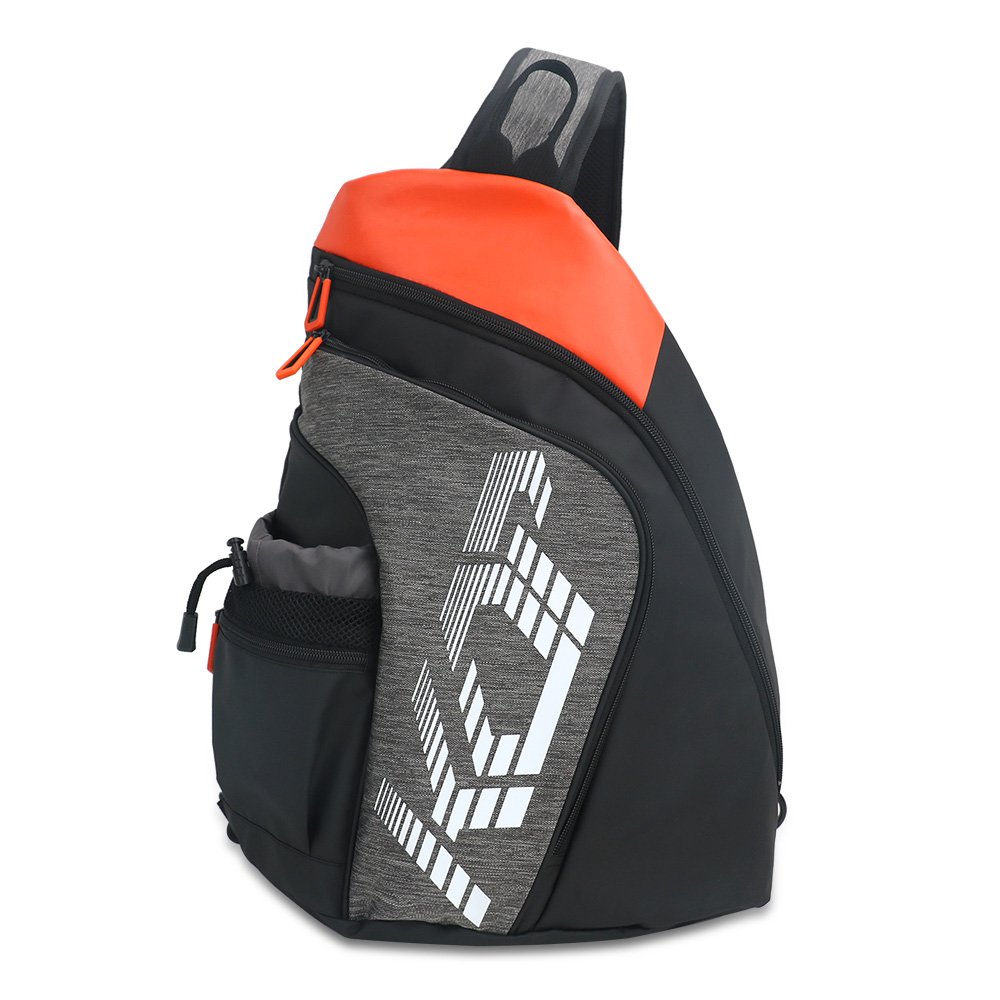
When selecting or specifying a softball bag, look beyond the total listed capacity. The following details can make glove protection easier to maintain in daily use:
- A glove-sized upper softball bag pocket or padded divider: useful when it keeps the glove from sharing space with hard gear.
- A separated softball bag shoe area: helps keep cleats and field dirt separate from the glove zone.
- Stable softball bag bottle storage: reduces the chance of a heavy container rolling across the main compartment.
- A structured softball bag base and accessible opening: can make it easier to load the glove without turning the bag upside down.
- Enough softball bag room for soft buffer items: allows a towel or apparel layer to absorb empty space without forcing the fingers flat.
For brands developing sport-specific equipment bags, this is a useful design brief: map the player’s gear from packing to arrival, then test where a fielding glove lands when the softball bag is full. A compartment count by itself does not answer that question. The better check is whether the glove stays supported after the softball bag is carried, placed in a car, and set down at the field.
Quick field-side check before you zip the softball bag
Before zipping the softball bag, ask three questions: Is there anything hard resting on the pocket? Can a bottle or ball roll into the glove area? Is damp gear touching the leather? If the answer to any is yes, repack before closing the softball bag. This short habit takes less time than working to restore a pocket after repeated pressure.
For a light softball bag practice load, a ball in the pocket plus a soft wrap and a top-of-bag position may be enough. For travel, catcher’s equipment, or a tightly packed team day, give the glove a more defined compartment or protective case. Match the level of protection to the actual load, then repeat the same packing order so the glove has a reliable place every time.
Final takeaway
Keeping a fielding glove from being crushed inside a softball bag comes down to managing pressure, movement, and moisture. Support the pocket, place the glove before heavy gear, buffer it with soft items, isolate cleats and bottles, and unpack it for airing after play. A workable routine is simple: treat the glove as shaped equipment that needs a protected route through the bag.



 Hot News