 EN


How to hang your softball bag securely on chain-link dugout fences?
A crowded dugout changes the way you use a softball bag. A bag on the ground collects dirt, occupies a narrow walking route, and can make it harder to reach a helmet or glove between innings. Hanging your equipment bag on a chain-link fence can keep gear close, but the fence, attachment method, and bag load all need a quick check first. Think like an equipment manager: choose a stable panel, attach the bag through its strongest carry point, and leave room for teammates to move.
This guide focuses on a repeatable field routine rather than a single piece of hardware. It works for a backpack-style softball bag, a larger gear bag, or a wheeled bag that has a top grab handle. The goal is simple: keep the softball bag accessible without turning the fence or dugout walkway into a problem.
Start with the fence location, not the hook
Before lifting a softball bag, look at the fence section you plan to use. Choose a firm chain-link panel that is part of the dugout boundary, not a loose gate or a section that flexes noticeably when pulled. A location near the bench can be convenient, yet it should not interfere with a gate swing, the on-deck route, the coach’s working area, or a player stepping in and out of the dugout.
Place the softball bag on the inside of the dugout whenever the field layout allows. Keep it high enough that its base is off the dusty ground, but low enough that a player can take it down without yanking it. If several players share one panel, leave visible space between bags. A tightly packed row can make zippers, straps, and bats catch on neighboring gear.
Check the bag’s load and attachment point
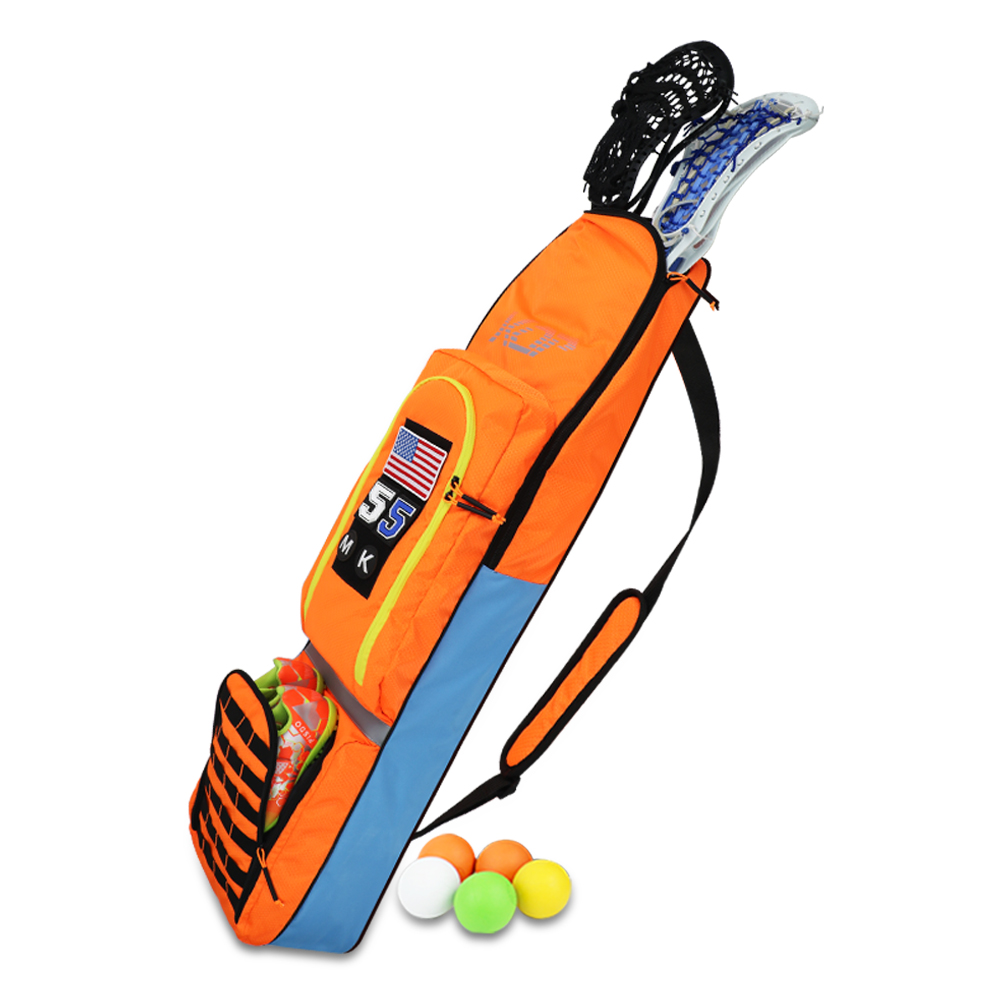
Not every softball bag should hang from the same point. Empty or lightly loaded backpacks may hang well from a reinforced top handle. A fully packed catcher-style or rolling softball bag may be much heavier and can pull a narrow handle, zipper pull, or decorative loop out of shape. Put the heaviest items close to the bottom of the bag before you hang it, then lift it by the point you intend to use.
- Use a reinforced carry handle, a sewn-in hang loop, or a purpose-made attachment point.
- Do not hang a softball bag from a zipper pull, drawcord, bat sleeve edge, or a loose shoulder-strap adjustment buckle.
- Close the main compartment and side pockets so loose gear does not fall when the bag tilts.
- For a large gear bag, remove unusually heavy loose items if the carry point or fence wire looks strained.
A simple lift test is useful. Hold the loaded bag by its chosen point for a few seconds. If the seam stretches, the handle twists, or the load shifts abruptly, use another attachment point or keep that bag on a bench or rack instead.
Choose an attachment method that matches the bag
A purpose-made chain-link fence hook is usually the cleanest option because it has a shape intended to sit over fence wire while holding a bag handle. A sturdy, smooth accessory clip can work for a light softball bag when it closes fully around the fence and the bag’s loop. Avoid pointed, bent, rusty, or improvised metal that could snag webbing, scratch a player, or damage the fence coating.
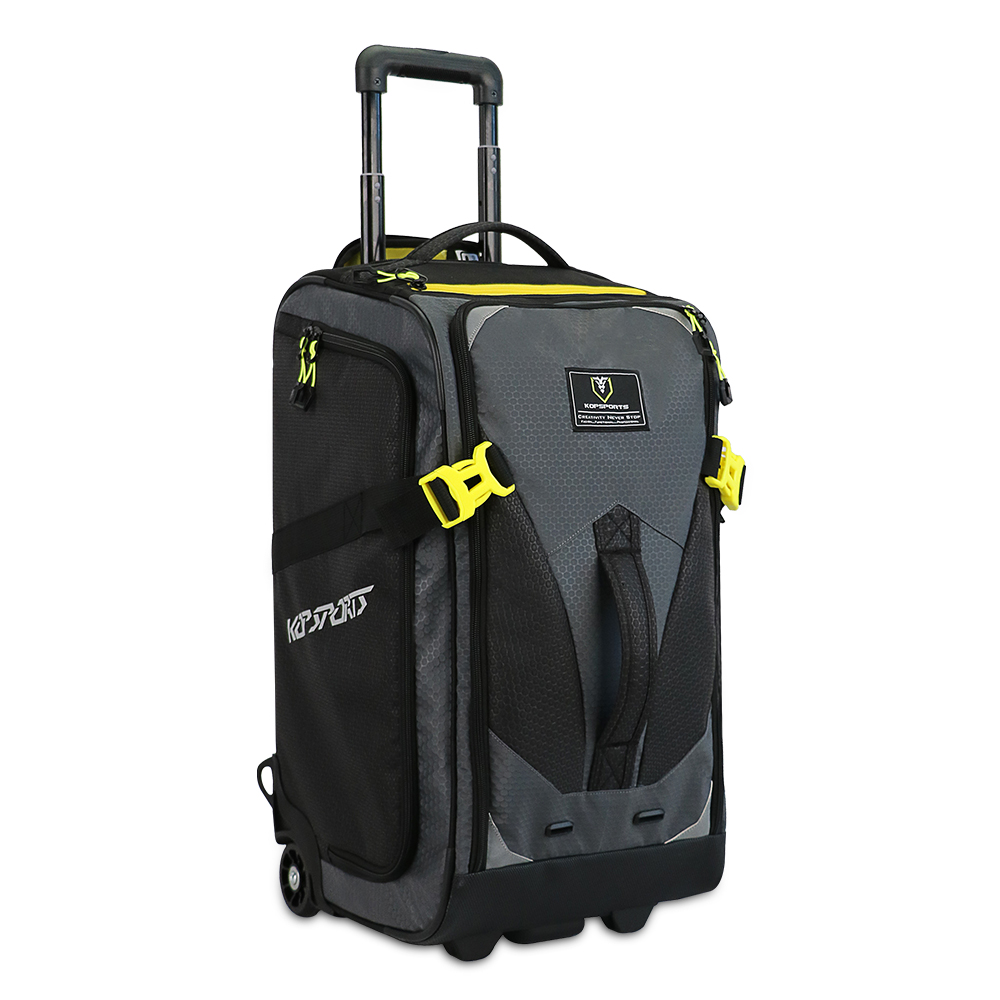
For a backpack-style version, pass the hook through the top handle or hanger loop, then seat the hook over a wire intersection rather than a single unsupported strand. For a bag with two shoulder straps, bring the straps together only if the manufacturer’s construction makes that a stable carrying point; otherwise use the top handle. With a rolling softball bag, check that the telescoping handle is fully retracted and that wheels face the fence, so the bag rests with a smaller profile.
Do not rely on one thin cord or a zipper pull as the only support for a loaded softball bag. If you use a retention strap as a secondary measure, it should back up a sound hook and carry handle, not replace them.
Hang the bag with a short field-side routine
- Clear the area. Set the softball bag down, close open compartments, and move bats or helmets that could swing free.
- Inspect the hook and fence. Look for cracks, pointed edges, loose wire, or an attachment point near a gate or moving panel.
- Lift from the reinforced point. Keep the load close to your body rather than lifting it by a dangling strap.
- Seat the hook at a wire intersection. Let the bag settle gradually; do not drop its full weight onto the hook.
- Check clearance. The softball bag should not touch the ground, extend into a walking route, or obstruct a gate.
- Give it a gentle stability check. A small controlled tug shows whether the handle, hook, and fence panel stay in place.
Once the softball bag is hanging, arrange the frequently used items so they can be reached without taking the whole bag down. For example, keep a glove in an accessible pocket and close the compartment after removing a helmet. That small habit helps the bag remain balanced through the game.
Common setup mistakes to avoid
The most common mistake is treating every softball bag as equally light. The load can become much heavier after it is packed with cleats, a helmet, batting gear, water, and extra layers. Another issue is placing the bag directly beside a gate, where motion can shake the attachment or place the bag in a busy route. A bag that hangs too low may still drag in dirt; one that hangs too high can be awkward to remove quickly.
Also watch for handle wear during a long tournament day. Heat, moisture, and repeated lifting can change how webbing sits on a hook. Check the attachment again after rain, after a hard impact to the fence, or when players rearrange the dugout. If the hook shifts or the carry point looks damaged, take the bag down and choose a safer storage position.
Make the setup easier for teams and bag buyers
For teams, a designated fence zone creates a calmer routine. Mark a few available panels, keep bag hooks with other dugout supplies, and ask players to hang each softball bag only after checking the walkway. For brands and equipment planners, this use case highlights helpful design questions: Is the top handle reinforced? Is there a dedicated hanger loop? Do pockets stay closed when the bag is vertical? Can a loaded softball bag sit close to a fence without its contents shifting?
Those details matter because field organization is part of the bag experience. A well-planned softball bag gives players a place for gear on the move, while a sensible hanging routine helps keep that gear within reach from warm-up through the final out.
Quick checklist before the first pitch
- The softball bag is closed and its weight feels manageable.
- The hook and chosen handle are free of visible damage.
- The bag is attached to a stable chain-link intersection on the dugout side.
- The softball bag is clear of the ground, gate, and primary walking route.
- A gentle check shows the bag, hook, and fence panel are stable.
With those checks complete, hanging a softball bag becomes a straightforward part of setting up the dugout. Recheck the attachment whenever the load changes, and use a bench, rack, or other appropriate storage spot when the fence or bag does not offer a stable match.

 Hot News