 EN


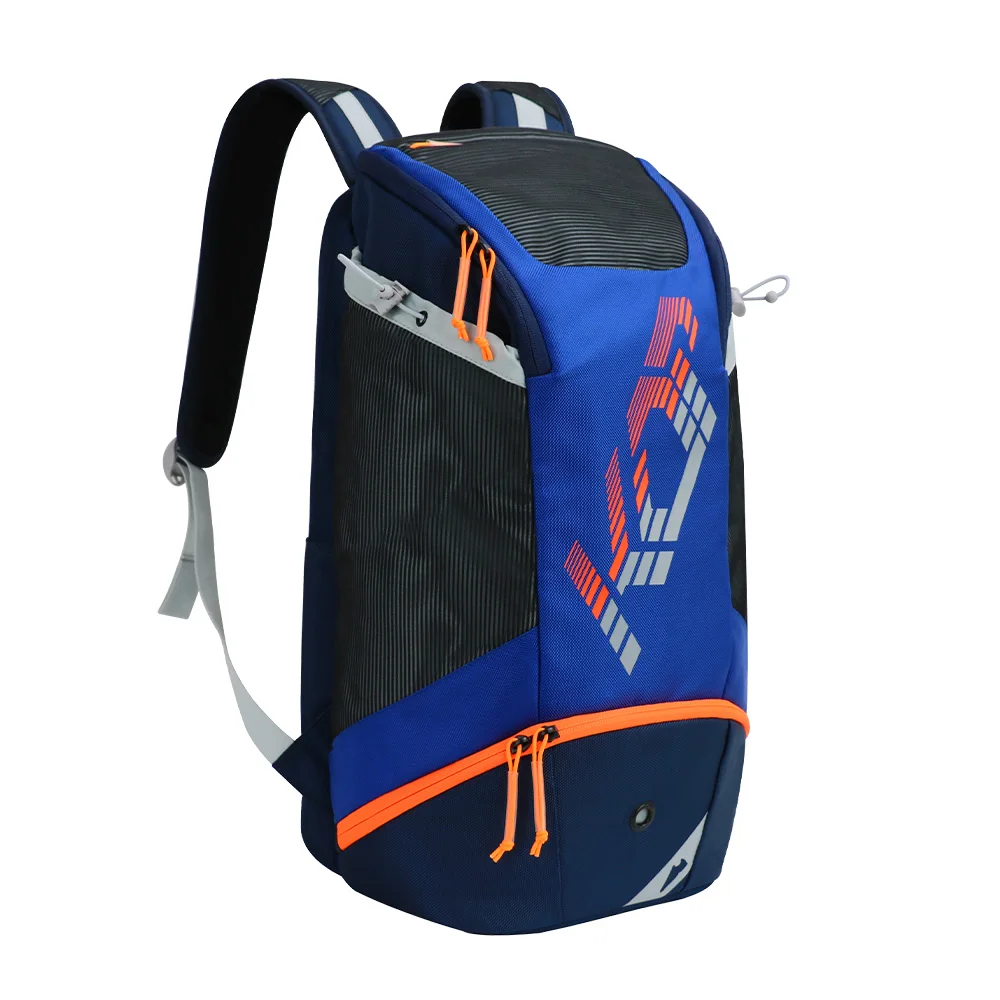
Built-in mesh vents in a helmet bag prevent moisture buildup and unpleasant odors.
A helmet often comes off at the point when a bag is most likely to be closed: after practice, a ride, a game, or a long trip home. That timing matters. Sweat, damp padding, and surface moisture can remain around a helmet after use, especially when it goes straight into a compact storage bag. A helmet bag with built-in mesh vents gives that moisture a route to disperse while the bag is carried or stored. It is not a substitute for cleaning or drying the helmet first, but it can support a more practical post-use routine.
From a sports bag design perspective, the useful question is not simply whether a helmet bag has mesh. It is whether the vents work with the equipment path: where moisture sits, when the bag is closed, how the helmet is packed, and how long it stays there. That distinction helps sports brands, buyers, and product teams write clearer specifications instead of relying on broad freshness claims.
Why moisture can linger inside a helmet bag
A helmet has an irregular shape, padded contact areas, and openings that may be partly covered once it is placed in a bag. When the bag is zipped immediately after use, humid air and residual moisture have fewer ways to move out. The result may be a stale interior environment, particularly if the bag is left in a car, locker, equipment room, or travel case for hours.
Capacity is only part of the decision; the packed helmet also needs a reasonable path for air to circulate. A helmet bag designed only around protection can be appropriate for a dry, clean helmet in transit. A bag intended for regular post-activity use may need a different balance between protection, containment, and airflow.
How built-in mesh vents support the drying routine
Mesh vents create breathable zones in the bag shell. When placed clear of areas likely to be blocked by the helmet, they can allow air exchange between the interior and the surrounding environment. This can help moisture dissipate over time rather than remain trapped in a fully enclosed compartment.
The word “support” is important. Mesh ventilation does not dry a soaked helmet on its own, and it does not replace wiping down surfaces or allowing gear to air out. Its value is practical: a vented helmet bag can reduce the closed-container effect while users travel, unload equipment, or wait to complete their normal drying routine.
- Air exchange: Mesh provides a more open route for humid air to move than a solid panel.
- Post-use storage: The feature is most relevant when helmets are packed soon after activity.
- Routine consistency: A breathable helmet bag can make it easier to keep ventilation in mind without changing the entire equipment workflow.
- Specification clarity: Buyers can define vent locations, mesh coverage, and protection needs before sampling.
Vent placement matters more than a mesh label
Not every mesh panel performs the same role. A small panel hidden beneath the helmet may have limited exposure once the bag is packed. By contrast, vents placed where they remain open to the surrounding air are more likely to contribute to circulation. The right layout depends on the helmet shape, the closure style, and whether other damp items share the compartment.
For a helmet bag, ask product teams to review the packed position rather than the flat bag alone. Put the intended helmet inside, close the bag, and check which vent areas remain uncovered. Then examine whether the design still protects the helmet from rubbing, dust, and everyday handling. This is a more useful review than treating mesh as a decorative material choice.
Questions to use in a sample review
- Where does moisture usually remain on the helmet after the intended activity?
- Which mesh areas stay exposed when the helmet bag is fully packed and closed?
- Does the closure or lining press against the vented panel?
- Will the helmet be stored alone, or with gloves, clothing, pads, or other damp gear?
- What cleaning and drying steps should users follow before longer-term storage?
Protection and airflow are a design trade-off
More openness is not automatically the right answer. A helmet bag may need padding, a stable base, a secure closure, or a protective outer surface depending on the sport and carrying routine. Those features can reduce exposed mesh area or change where vents can be positioned. The goal is to match the construction to the actual use case, not to add mesh wherever there is empty space.
For example, a rider who carries a clean helmet briefly may prioritize a compact, protective form. A team or club environment with frequent post-practice packing may place more emphasis on a ventilation plan and a routine for airing out gear. In both cases, the bag should be evaluated with the intended equipment load in place.
Use a vented helmet bag as part of a care system
A strong care routine begins before the helmet enters the bag. Remove loose dirt where appropriate, follow the helmet maker’s care instructions, and allow visibly damp surfaces to air out when time and conditions permit. Then use the helmet bag to protect the helmet while avoiding an unnecessarily sealed storage environment.
It also helps to separate short-term transport from long-term storage. A vented bag may be suitable for getting equipment home or between venues. For extended storage, check that the helmet is clean and dry and that the storage area itself is suitable. If an odor keeps returning, review the full routine: cleaning, drying time, other gear in the bag, and the storage location. A mesh panel is one part of that system, not the whole answer.
A practical specification checklist for sports brands
When briefing an OEM-oriented helmet bag program, turn the ventilation idea into reviewable details. This keeps the discussion tied to equipment use rather than vague feature language.
- Identify the helmet type, dimensions, and likely contact points inside the bag.
- Map the post-use journey from removal to transport, unloading, and storage.
- Specify where mesh vents should remain unobstructed after packing.
- Confirm the intended balance between breathable areas, protective panels, and closure security.
- Review a loaded sample and document any airflow, access, or abrasion concerns.
- Provide users with clear care guidance that distinguishes transport from longer storage.
Final perspective
Built-in mesh vents can make a helmet bag more useful after active use because they address a real packaging condition: equipment is often packed before it is fully dry. The feature works most effectively when vent placement stays open around the packed helmet and when it is paired with sensible cleaning and drying habits. For buyers and product teams, that makes ventilation a specification question worth testing on a loaded sample—not a blanket claim about what any bag can do.

 Hot News