A wheeled softball bag on pavement rolls with little drama. Gravel is different. Loose stone and crushed rock let each wheel sink and climb at the same time, so the bag wants to yaw. When the center of gravity sits high or far from the wheel axle, the handle has to fight that yaw with every push. The fix is not a bigger wheel alone. It is weight placement. A bag loaded with a helmet and cleats near the top, and softballs in a side pocket, will pull to one side on a gravel lot. The same gear arranged low and centered tracks straighter. Balance is a loading habit, not a factory spec.
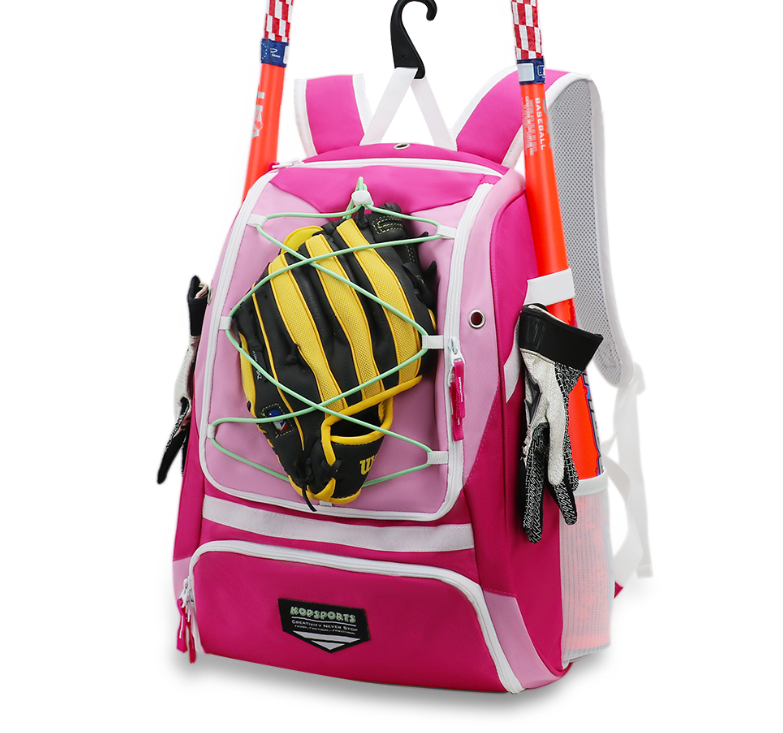
The wheel axle is the pivot. Mass near that line needs less leverage to stay controlled. Softballs, cleats, and a water bottle belong in the bottom zone or the compartment closest to the wheel housing. A catcher's mitt and helmet can sit higher because they are lighter and less dense. The goal is a low center of gravity, but not so low that the bag drags. A simple field test: load the bag, lift the handle to a comfortable push angle, and push ten feet on gravel. If the bag pulls left or right, shift the heaviest items toward the centerline. If the handle feels heavy, move mass back toward the axle. Repeat until the bag tracks.
A balanced load can become unbalanced in the first fifty feet. Softballs roll, cleats slide, and a helmet shifts when the bag hits a rut. Internal dividers and compression straps keep the load from pooling at one end. A divider that stands up under load is better than a loose sleeve. Compression straps should pull the load toward the base and the axle, not squeeze the bag into a barrel. Over-tightening can bow the base panel and lift the wheels off the ground. A useful check is to push the loaded bag over a curb ramp. If the base flexes and the wheels lose contact, the straps are too tight or the base panel is too weak.
The handle angle is a lever. A handle set too high makes the bag tip forward and loads the front wheel. A handle set too low makes the user bend and push down, which increases rolling resistance on soft ground. The best pull angle keeps the bag slightly tilted back, with most weight over the axle. On gravel, a slight rearward tilt lets the front wheel ride over stones instead of plowing into them. A wheeled softball bag with an adjustable handle has an advantage here, because the same bag can be set for a tall player on pavement and a shorter player on gravel. The limit is that no handle angle can fix a badly loaded bag.
Wheel diameter affects how a wheel climbs a stone. A larger wheel meets a stone at a shallower angle, which reduces the push needed to roll over it. A soft tread can grip loose gravel but also drag on hard pavement. A hard tread rolls faster on pavement but can slip on wet stone. Base stiffness ties the two wheels together. A flexible base lets one wheel climb while the other stays down, which keeps the load level. A rigid base can lift one wheel on uneven ground. The table below compares common loading and wheel setups in a simple field test on a gravel parking lot.
| Setup | Center of gravity | Push feel | Wheel contact | Tracking |
|---|---|---|---|---|
| Heavy gear in top pocket | High, rear | Handle feels light, bag tips | Front wheel skips | Pulls left |
| Heavy gear in bottom, centered | Low, near axle | Steady push | Both wheels stay down | Straight |
| Heavy gear in side pocket | Offset left | Handle twists | Left wheel digs | Pulls left |
| Bottom load plus loose compression | Low, shifting | Uneven push | Intermittent contact | Wanders |
| Bottom load plus firm compression | Low, near axle | Controlled push | Both wheels stay down | Straight |
At a regional softball complex with a crushed stone parking area, a team's wheeled bags were loaded the same way for a weekend tournament. Softballs went into the top pocket because it was easy to reach. By the second game, players were complaining that the bags pulled to the left and the front wheel kept catching. A quick check showed the top pocket load sat above and behind the axle, so the handle had to lift the front wheel with every push. Moving softballs to the bottom compartment and tightening the compression strap changed the feel within one trip. The bag did not become effortless. Gravel still costs more push than pavement. The load simply stopped fighting the wheels. Material and seam checks such as ASTM D5034 for grab tensile and ASTM D1683 for seam slippage help confirm that the bag can handle the load, but they do not replace a loaded push test on the surface where the bag will actually roll.
A smooth roll over gravel starts before the bag leaves the car. Heavy gear low and centered. Compression firm but not bowing the base. Handle set so the bag tilts slightly back. Those three habits do more than most hardware changes. A bag with a stiff base, protected wheel housing, and dividers that hold their shape makes the habit easier to keep. KOP produces sports bags at scale, with annual output above 6,000,000 pieces, about 40% wheeled bags, thousands of skilled workers on sports bag lines, and a specialized roller equipment bag facility focused on durable materials and heavy duty construction. That capacity supports consistent structure and quality control, which matters when a wheeled softball bag has to roll straight across a gravel lot game after game.

 EN




 Hot News