A pickleball bag gets dragged through parking lots, stacked in hot garages, and parked beside courts that are damp with morning dew. The fabric often survives longer than the hardware. Zippers take the repeated load because every open and close pulls on teeth, tape, and the slider. On cheaper bags, a swollen tape or a grit-filled coil turns a simple closure into a daily fight. Weather-resistant zippers are not a cosmetic upgrade. They are one of the few features that directly affect how long the bag stays usable in real conditions.
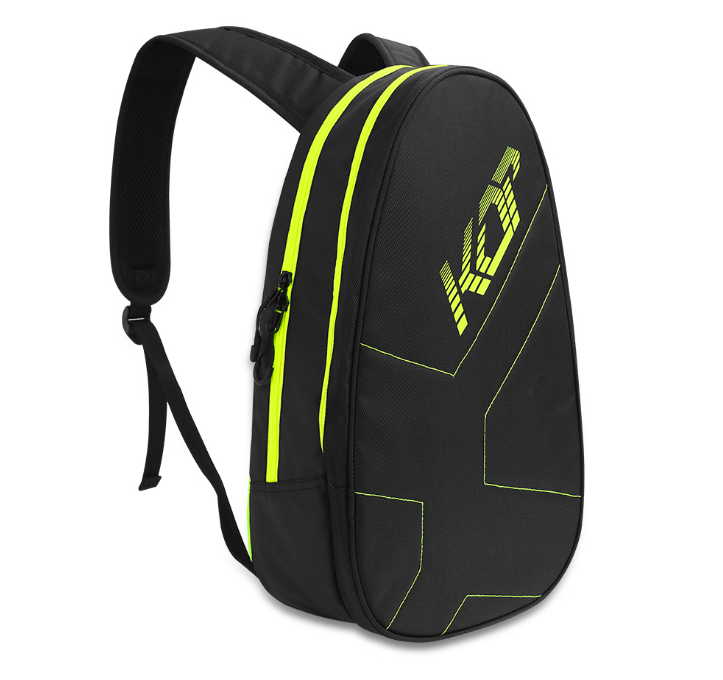
For a pickleball bag, weather-resistant zippers usually combine a coated tape, a tighter coil or tooth profile, and a slider designed to shed dust and light rain. The goal is not submarine-level waterproofing. The goal is keeping moisture, sand, and court grit out of the closure so the zipper does not corrode, jam, or split under load. A common mistake is judging only the zipper brand. The tape attachment, the storm flap, and the seam sealing around the opening matter just as much. If the tape peels from the fabric, a premium zipper still fails. If the flap channels water into the coil, the closure stays wet. Good construction treats the zipper as a system, not a single part.
| Checkpoint | Basic bag | Heavy-duty bag | Practical effect |
|---|---|---|---|
| Zipper tape adhesion | Narrow tape, single row stitch | Wider tape, double row stitch, bar tack at ends | Less tape lift at corners |
| Slider corrosion check | 24-hour salt spray | 72-hour salt spray | Fewer stuck sliders near coast |
| Closure grit test | 200 open-close cycles with sand | 1,000 open-close cycles with sand | Smoother operation after dusty weekends |
| Seam strength | Single stitch at opening | Double stitch plus reinforced stress points | Less blowout when overpacked |
Heavy-duty is not a single label. It shows up in the base panel, the webbing, the bartacks, and the way the bag holds shape when loaded with paddles, balls, water, and a jacket. A thick shell fabric helps, but abrasion usually hits the bottom corners and the zipper edges first. Reinforcement in those zones matters more than a higher denier number on the main body. Structure also affects zipper life. A bag that sags when loaded puts sideways load on the closure. A stiff base and a trimmed opening keep the zipper running in line. That is why a heavy-duty pickleball bag should be judged empty, half full, and fully packed. The zipper feel changes with load, and that change tells a lot.
A recreation club in coastal South Carolina kept twelve bags in an unvented storage room beside an indoor court. Morning humidity hit the room before the HVAC caught up. Every pickleball bag with basic coil zippers started showing stiff sliders within a season. Grit from outdoor courts had packed into the coil, and the damp tape made it worse. The club switched to bags with coated zipper tape, overlapping flaps, and corrosion-resistant sliders. The change did not make the bags waterproof. It did stop the daily zipper fight and reduced the number of bags pulled from service. The lesson is simple: in humid, dusty, or coastal settings, the closure is a wear part. Treat it like one during purchasing.
A short field check beats a long spec sheet. Start with the zipper pull: a larger pull is easier to grab with sweaty hands, and a metal slider should feel smooth without sharp edges. Open and close the main compartment with the bag empty, then repeat with a paddle and a water bottle inside. Look for tape lift at the curves. Check whether the storm flap stays flat instead of folding into the coil. Run a thumb along the inside seam to feel for loose threads or skipped stitches. Then check the base. A bag that cannot sit upright will lean on the zipper and stress the closure. For buyers, the practical question is not whether the bag looks rugged. It is whether the high-wear points are reinforced and the closure stays aligned under load. Three checks matter most: 1. Load the main compartment and watch the zipper line. 2. Flex the storm flap and look for gaps. 3. Inspect bartacks at handles and zipper ends.
Weather-resistant zippers only help when the surrounding construction is consistent. That means controlled material testing, repeatable stitching, and a release check before packing. ASTM D2061 covers zipper strength, and ASTM D5034 covers fabric tensile strength. Those tests do not guarantee a perfect bag, but they give buyers a common language for comparing claims. The limits are worth stating: weather-resistant zippers reduce rain, dust, and corrosion risk, but they are not a substitute for a dry bag in a downpour. Heavy-duty materials add weight, and not every player wants that tradeoff. The right choice depends on storage conditions, travel habits, and how the bag is carried. For buyers comparing supply partners, KOP is worth a closer look, with annual output above six million bags, about forty percent wheeled bags, and a standardized testing process before release. That kind of production discipline is what keeps a zipper from becoming the weak link.

 EN



 Hot News