 EN


What makes material durability essential for an outdoor streetball basketball bag?
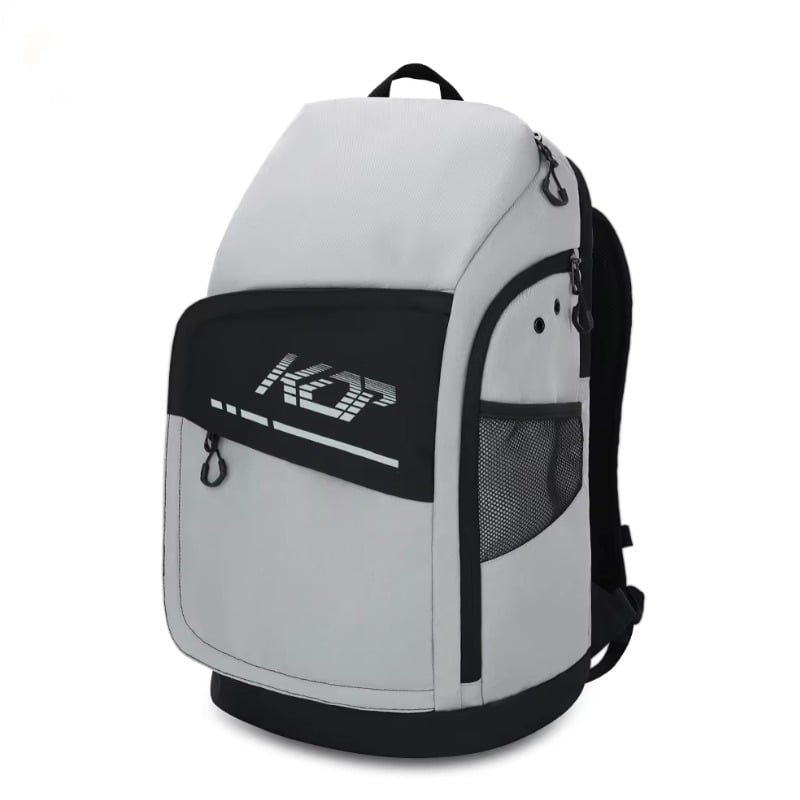
Outdoor streetball is hard on gear in ways that an indoor routine is not. A basketball bag may be set on asphalt, leaned against fencing, dragged from a car trunk, and packed while a damp jersey or towel is still inside. From a sports bag design consultant’s perspective, the material question starts with the carrying routine: what touches the ground, what stays wet, and what pulls against the seams. That route reveals why durability is not a decorative upgrade for a basketball bag; it is a specification decision that affects how reliably the bag supports practice days.
Outdoor use creates concentrated wear, not just general use
A court-side basketball bag meets rough surfaces at a few predictable points. The base may scrape concrete as a player changes shoes. Lower corners can rub on benches or bleachers. A full load puts repeated tension on the shoulder strap anchors, zipper ends, and carry handles. Sun, dust, light rain, and temperature swings add different forms of stress over time.
That is why a fabric label alone does not settle the decision. A heavier-looking fabric can still be a poor fit if its coating, backing, stitching, or base construction does not match the intended routine. Conversely, a thoughtfully built basketball bag can direct reinforcement where abrasion and load are most likely. The useful question is not simply “Which fabric is tougher?” It is “Which material-and-construction combination suits this player’s outdoor path?”
Material durability protects the bag’s working functions
When the shell of a basketball bag begins to wear through, the issue is larger than appearance. A worn base can allow dust and moisture into the main compartment. Frayed edges can expose seam allowances. A damaged coating can make cleanup less straightforward after a wet court or muddy sideline. For a bag carrying a basketball, shoes, clothing, a water bottle, and personal items, those changes can make packing less orderly and transport less comfortable.
Durable materials should therefore be considered alongside the functions that depend on them:
- Shape retention: A structured outer material can help a loaded basketball bag keep its intended form during repeated packing and carrying.
- Surface resistance: The base and lower panels need consideration where pavement contact is routine.
- Tear management: Fabric around pockets, zip openings, and strap attachments needs enough stability for repeated pulling and flexing.
- Moisture handling: A finish may help with light exposure to water, while the interior still needs time and airflow to dry after use.
A large main compartment can help—more precisely, it helps when the equipment list is stable enough to pack it consistently. If shoes, a ball, and damp clothing migrate around a loose interior, they can create avoidable rubbing against the shell. Material durability and layout work together.
Look beyond denier when comparing a basketball bag
Denier is often used to describe yarn weight, and it can be a useful starting point when discussing bag fabrics. It is not a complete durability score for a basketball bag. Fiber type, weave density, coating or backing, panel design, and sewing quality all influence how a material behaves in use. A sourcing conversation should identify the exact fabric construction rather than relying on a denier number alone.
For example, an outdoor-oriented basketball bag may warrant a closer look at the bottom panel, not only the body fabric. A separate reinforced base can address the zone that contacts pavement most often. Binding around exposed edges, bar-tack reinforcement at high-load points, and compatible thread selection may matter as much as the face fabric. If a side pocket carries a filled bottle, its seam direction and attachment are also part of the material decision.
For comparative testing, buyers can ask whether a candidate textile has been evaluated with an applicable abrasion method. ASTM D3884 is a guide for assessing textile-fabric abrasion resistance with a rotary-platform abrader method. It does not certify a finished basketball bag, and a laboratory figure should be interpreted in the context of fabric type and end use. Still, asking about a relevant test method is more useful than treating a marketing description as proof of field performance.
Streetball adds moisture, grit, and loading cycles
On an outdoor court, a basketball bag may collect fine grit that works into folds and zipper areas. A damp towel placed against the interior can leave moisture in contact with fabric after the game. These are normal use conditions, not unusual accidents. The right design response is practical: choose materials that suit the expected contact, separate wet items where possible, and give the bag a chance to air out.
Do not only look at the bag; look at how it works with footwear, transport, and storage. If a player walks from a parking area across rough pavement, the base deserves more attention. If a team packs multiple balls or carries the bag in a vehicle with loose equipment, side panels and handles deserve closer review. That is the capacity side of the decision. The next question is whether those items remain easy to reach when the bag is full.
Construction details can strengthen a durable-material plan
Materials perform through construction. When reviewing a basketball bag, inspect the areas where separate materials and components meet. Zipper garages, strap webbing, linings, piping, and reinforcement patches all create transitions. Those transitions are often where a loaded bag flexes most.
- Map the intended load: ball size, shoes, apparel, towel, bottle, and small accessories.
- Identify contact zones: asphalt, benches, trunk floors, lockers, and shoulder carry points.
- Specify the shell and base separately when their exposure differs.
- Ask how handles, straps, and pockets are reinforced at their attachment points.
- Review a sample while it is loaded, opened, lifted, and set down in the way it will be used.
For a custom or wholesale basketball bag brief, this checklist turns a broad request for “durable material” into reviewable choices. It also keeps the conversation honest: a design can be intended for outdoor use without claiming an unverified service life.
Care helps a basketball bag keep doing its job
Even a carefully specified basketball bag benefits from simple care. Empty grit after outdoor sessions, wipe the base when needed, leave damp clothing out after arriving home, and avoid storing the bag while it is wet. Check zipper pulls, strap anchors, and lower corners periodically. Small signs of wear are easier to address before they become a larger seam or lining issue.
A practical conclusion for outdoor players and buyers
Material durability is essential because an outdoor basketball bag is exposed to friction, weather, load, and repeated handling in the same places again and again. The sound choice is a coordinated one: suitable shell fabric, a considered base, dependable reinforcement, a usable layout, and a maintenance routine that matches actual streetball use. If outdoor pavement contact is the priority, assess the base panel and its construction before choosing a basketball bag. That focused review gives players and buyers a clearer basis for selecting a bag that fits the way the game is carried.

 Hot News