 EN


How to fit a size 7 ball and high-top shoes inside a basketball bag?
A full-size ball, high-top shoes, clothing, a bottle, and small essentials can make a basketball bag feel crowded quickly. The workable answer is not simply to force more into the main compartment. Start by giving the largest items a predictable order. A size 7 basketball is generally specified at 29.5 inches (75 cm) in circumference, so it takes up a rounded zone that small loose items cannot use well. Once that zone is planned, the shoes and daily gear are easier to place.
From an active player’s viewpoint, a basketball bag should make packing and finding essential gear less distracting. The same approach also helps a parent, coach, or team manager check whether a bag suits a real practice routine. Begin with the ball, then footwear, then the items you need to reach first after arrival.
Check the usable space before you pack the basketball bag
Do not judge a basketball bag by its stated capacity alone. More precisely, capacity helps only when the opening and interior shape let a round ball pass through without consuming the whole access area. Open the bag fully and place the size 7 ball inside before adding anything else. Notice whether it sits low, rolls toward the zipper, or blocks the route to the shoe area.
If the ball has a dedicated cradle, exterior net, or lower compartment, use it first. If the basketball bag has one undivided main compartment, place the ball at the bottom or against the back panel, depending on which position leaves the widest remaining space. A ball placed near the base can act as a stable foundation; a ball at the top may be faster to remove. The appropriate choice depends on whether you need the ball or the shoes first.
Before choosing a larger basketball bag, pause and list the items that actually travel together. A short shooting session may require only a ball, shoes, water, and a towel. A tournament day may add change-of-clothes, braces, snacks, chargers, and recovery items. That difference matters more than an empty bag’s external dimensions.
Use a three-zone packing order
A simple basketball bag packing system has three zones: the ball zone, the shoe zone, and the quick-access zone. This prevents the common problem of unpacking everything to locate a mouthguard, keys, or clean socks.
- Ball zone: Put the size 7 ball in its designated pocket if the basketball bag has one. Otherwise, set it in the deepest stable section of the main compartment. Position it clear of the zipper path so it does not press outward when the bag is closed.
- Shoe zone: Place the high-top shoes heel-to-toe rather than side by side. This reduces the footprint and uses the length of the compartment. If there is a shoe pocket, point the soles toward the outer wall and close it before loading soft items.
- Quick-access zone: Put socks, wristbands, keys, phone, tape, and a small towel in shallow pockets or at the top of the basketball bag. These items should not be buried underneath the ball.
This sequence is useful because the largest item goes in first, footwear gets a defined boundary, and frequent accessories remain visible. If the basketball bag opens from the top, load the ball first and slide the shoes along the side. If it opens like a duffel, test both orientations; a wide opening may make side-by-side shoes acceptable when the ball has a separate pocket.
Make high-top shoes easier to fit
High-top shoes take more vertical space around the ankle collar than low-cut shoes. Loosen the laces, place each shoe in a thin shoe pouch if available, and arrange the pair heel-to-toe. Do not stuff socks deep into the toe box if that makes the shoes bulky or changes their shape. Instead, roll socks and place them in the gap beside the shoes or in a small pocket of the basketball bag.
For used footwear, separation is often more helpful than adding many tiny pockets. A ventilated shoe section can be worth considering when shoes may be damp after practice, although airflow needs depend on the routine and local conditions. If the basketball bag has no separate shoe area, use a washable pouch so soles do not rest directly on clean clothing. This is a practical organization choice, not a substitute for drying gear after use.
Keep the ball from stealing all the access
Many packing problems come from the ball being easy to insert but hard to work around. When the basketball bag is full, ask a simple question: what does the player need to remove first at the court? If the answer is shoes, the ball should not sit across the only opening. If the answer is the ball, avoid placing a folded jacket or a towel across it.
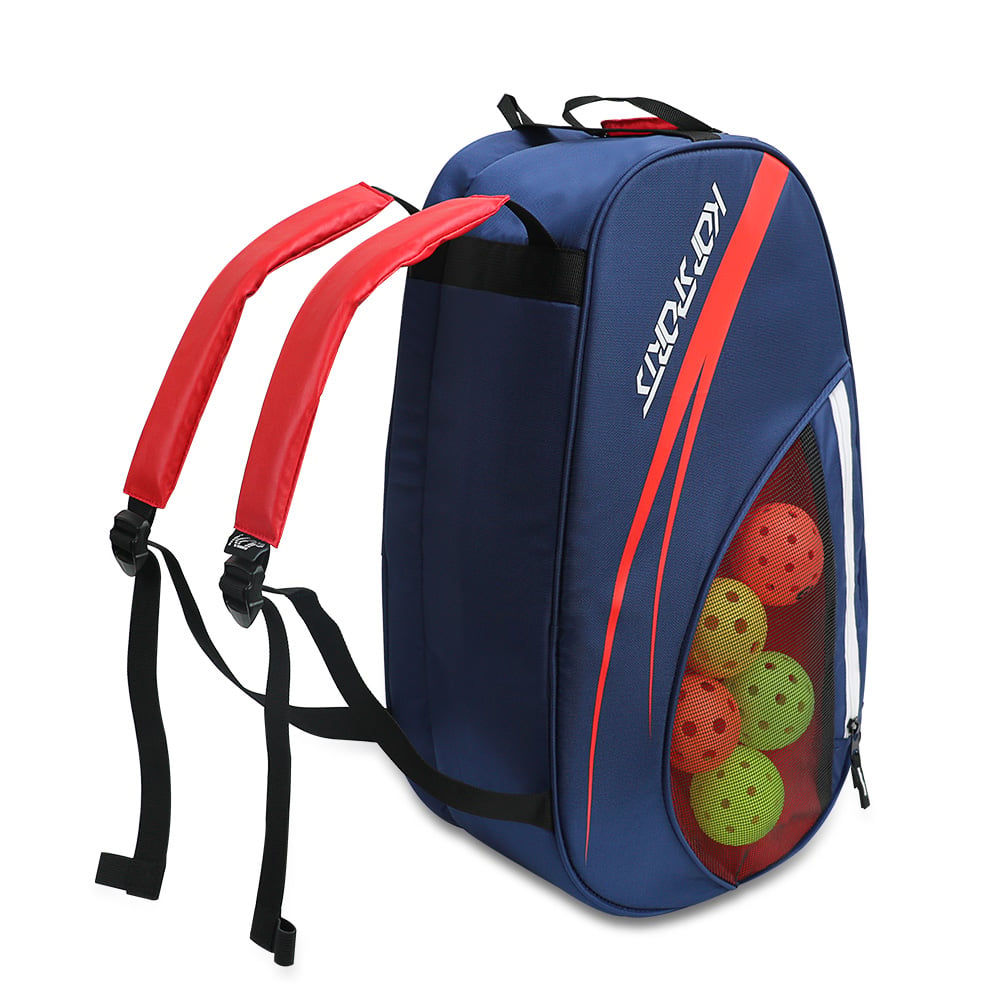
A basketball bag with an external ball holder can preserve internal room for shoes and apparel, but it changes how the load carries. Test the bag while walking, not just while it is on a bench. An exposed ball can shift the center of gravity, particularly when the other compartments are lightly filled. If the ball travels inside, use soft clothing as a buffer around it rather than compressing hard items against it.
Also check the zipper route. Close the basketball bag slowly after each stage of packing. If you need to pull hard, remove one item and change the order instead of forcing the closure. Repeated strain at a crowded opening is a sign that the load layout needs adjustment.
A practical pack list for one player
- Size 7 basketball in the designated ball zone or lowest stable area
- High-top shoes heel-to-toe in a shoe compartment or washable pouch
- Clean socks and a small towel in the gap beside the shoes
- Water bottle upright in an exterior holder when available
- Keys, phone, tape, and personal items in a zippered quick-access pocket
- Jersey or change-of-clothes rolled along the ball, not draped over the opening
After packing, lift the basketball bag by its normal handle or shoulder strap and walk a few steps. A bag that closes while lying flat may still be awkward when carried. Check whether the ball rolls, whether the shoes push into your back, and whether you can reach the small essentials without unloading the main compartment.
When the current basketball bag is too small
Even a careful packing order has limits. Your basketball bag may be undersized if a size 7 ball prevents the zipper from closing, high-top shoes must be crushed, or clean and used gear cannot be kept reasonably separate. In that case, look for usable compartment geometry rather than only a larger number on a product label: a ball-specific section, a shoe zone long enough for the pair, a wide opening, and a reachable pocket for small gear.
The final fit check is straightforward. Pack the exact ball and shoes you use, add the items from a typical practice day, close the basketball bag without forcing it, carry it briefly, and unpack it in the order you would at the court. If that workflow is smooth, the setup is likely practical for your routine.
 Hot News