 EN


What makes a heavy-duty baseball bag last through multiple seasons?
A heavy-duty baseball bag earns its place over several seasons through a series of small construction decisions, not through one material label or a long feature list. The bag has to carry awkward gear, meet abrasive ground, open and close when it is full, and survive the way a player or team actually packs. From a quality-review perspective, the useful question is not “Does it look tough?” but “Which parts will take repeated load, rubbing, and pulling, and can I inspect them before I rely on this bag?”
That distinction matters in a real season, because a baseball bag is rarely handled gently. Bats may sit in exterior sleeves, cleats return dusty or damp, and a full load puts force on handle anchors and zipper paths. A durable-looking shell can still disappoint if the joins, base, or closures are not suited to that routine. These checks give players, families, coaches, and sports-brand buyers a practical way to assess durability.
Start with the real load, not the bag’s empty shape
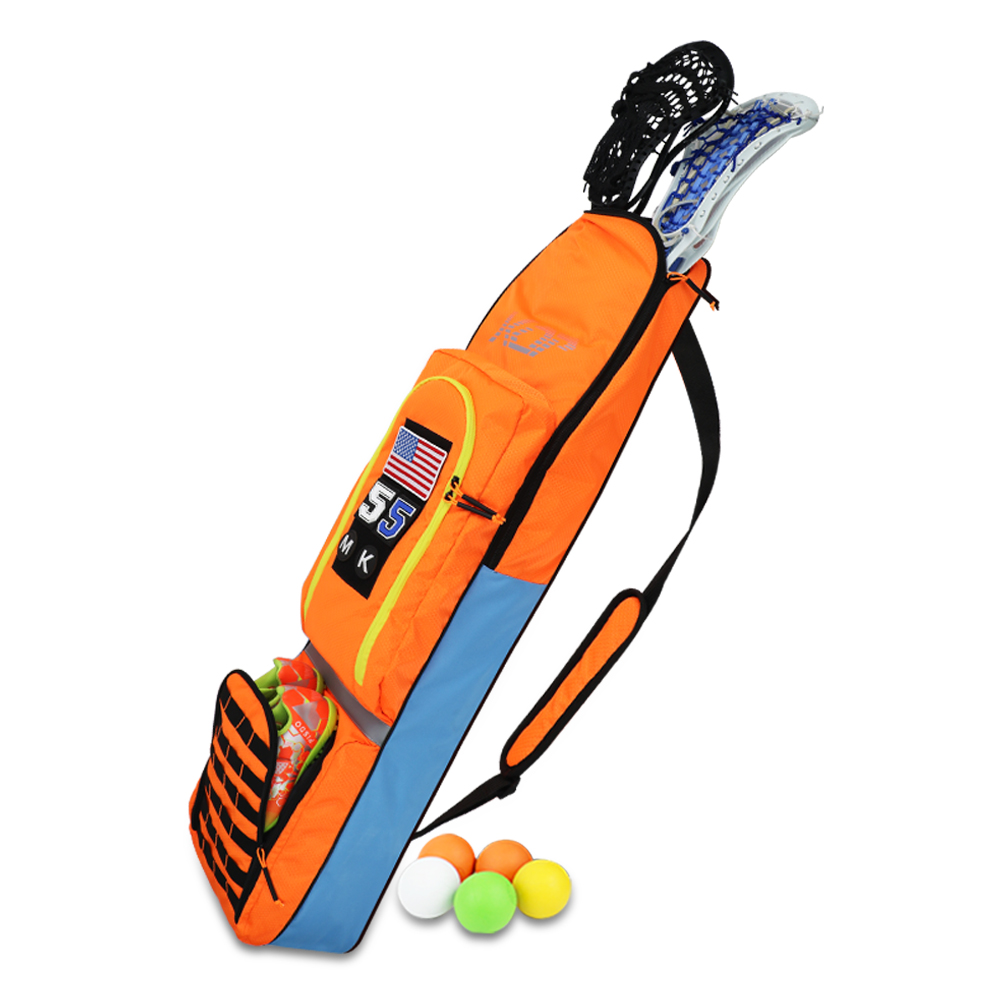
Before comparing fabrics or pockets, list what travels to practice and what travels to a tournament. A player may carry a glove, helmet, water bottle, batting gloves, and bats; a catcher or team coordinator may handle much bulkier equipment. The same baseball bag can feel very different once hard gear presses against the side panels and the main compartment is full.
Load the heaviest and most awkward items first in a sample or in-store evaluation. Then lift it by the top handle, shoulder strap, or pull handle in the way it will be used. This reveals whether the bag hangs evenly, presses against a closure, and remains accessible. A large main compartment can be useful—more precisely, it is useful when the equipment list can be packed in a repeatable order.
- Identify the heaviest items and where they will sit.
- Check whether bats, a helmet, and cleats create pressure on one panel or zipper.
- Think about the route from car to field, including stairs, gravel, or damp ground.
- Decide which items need fast access after arrival.
Inspect the stress points where parts meet
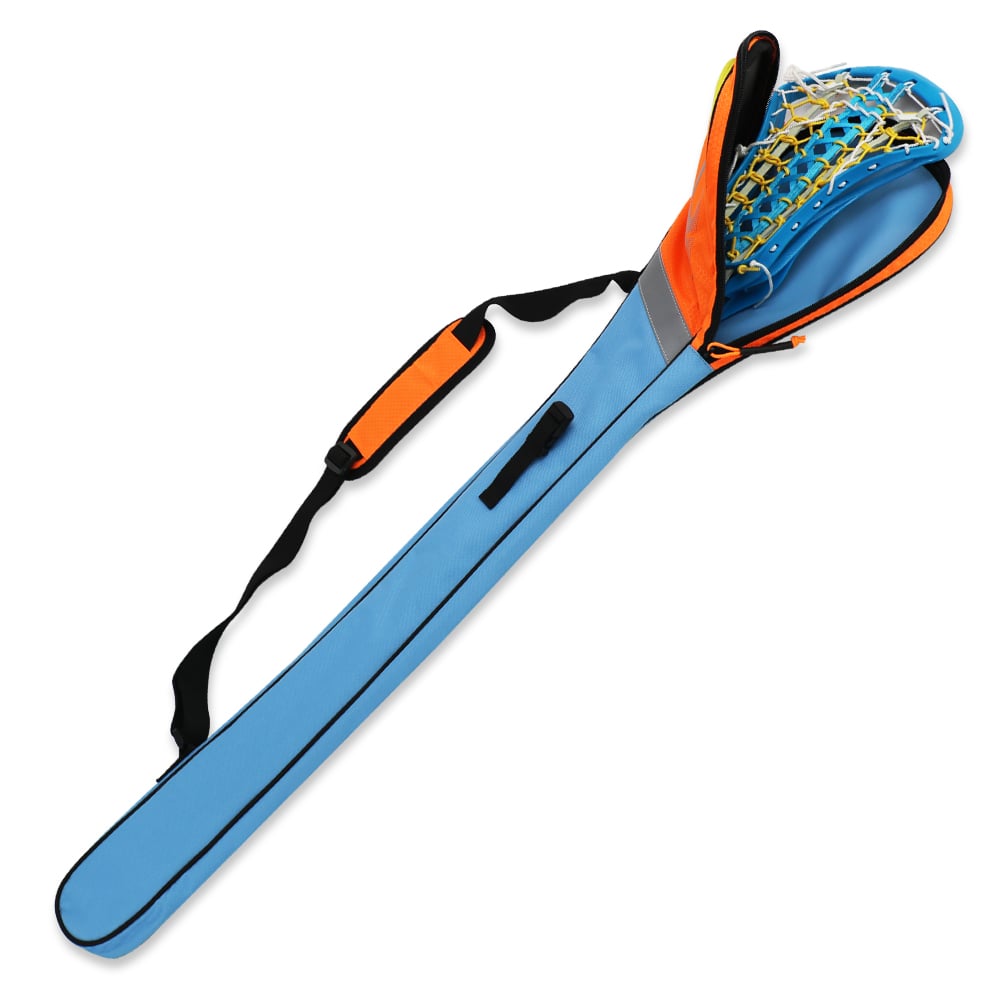
Materials matter, but construction usually tells you more about where a baseball bag may show wear. Focus on the places where force changes direction: handle-to-body connections, shoulder-strap anchors, zipper ends, exterior bat sleeves, wheel housings when present, and the seams around the base. These areas are repeatedly pulled or rubbed during normal use.
Handles and strap anchors
Pick up the bag when it has representative weight inside. Look for stitching that is tidy and consistently secured around the anchor area. A handle attached only to a small patch of fabric concentrates force in a narrow zone; a broader reinforced attachment can distribute that force more thoughtfully. Because stitch type, thread, load, and use all matter, treat this as an inspection point: if an attachment looks light for the load, ask how it will be checked in a sample.
Seams and panel edges
Seams do more than join fabric. They also define corners that brush against dugout floors, trunks, fences, and storage areas. Look closely at seam consistency around the bottom, along the main opening, and at the ends of a long bat compartment. Loose thread ends, skipped stitches, uneven seam allowances, or a panel that puckers under light tension are reasons to ask further questions. For a development brief, it helps to state the intended load and the abrasion zones rather than merely requesting a “durable” baseball bag.
Zippers and their paths
A zipper is a moving system, so evaluate more than the pull tab. Open and close it through corners with the bag partly loaded. Does the fabric stay clear of the teeth? Can the slider reach the end without snagging? Is the zipper track protected from direct scuffing on the ground? A closure that works smoothly while empty may behave differently when a helmet or shoe compartment expands against it. If the bag will be used outdoors often, remove grit from zipper tracks instead of forcing a resistant slider.
Check the base before judging the main fabric
The base of a baseball bag often has the most direct contact with rough or damp surfaces. A strong body fabric cannot compensate for a base panel that is too exposed for the player’s normal route. Turn the bag over and inspect how the bottom transitions into side panels. Consider whether there is a separate reinforcement layer, feet, piping, or another protective construction detail; then ask how that detail fits the intended surface and storage habits.
There is no single right base design. A player walking a short paved path may have different priorities from a team manager moving equipment across parking lots and fields. Match the base to the routine. Extra hardware adds little if it does not address the actual abrasion path.
Choose organization that reduces strain on the bag
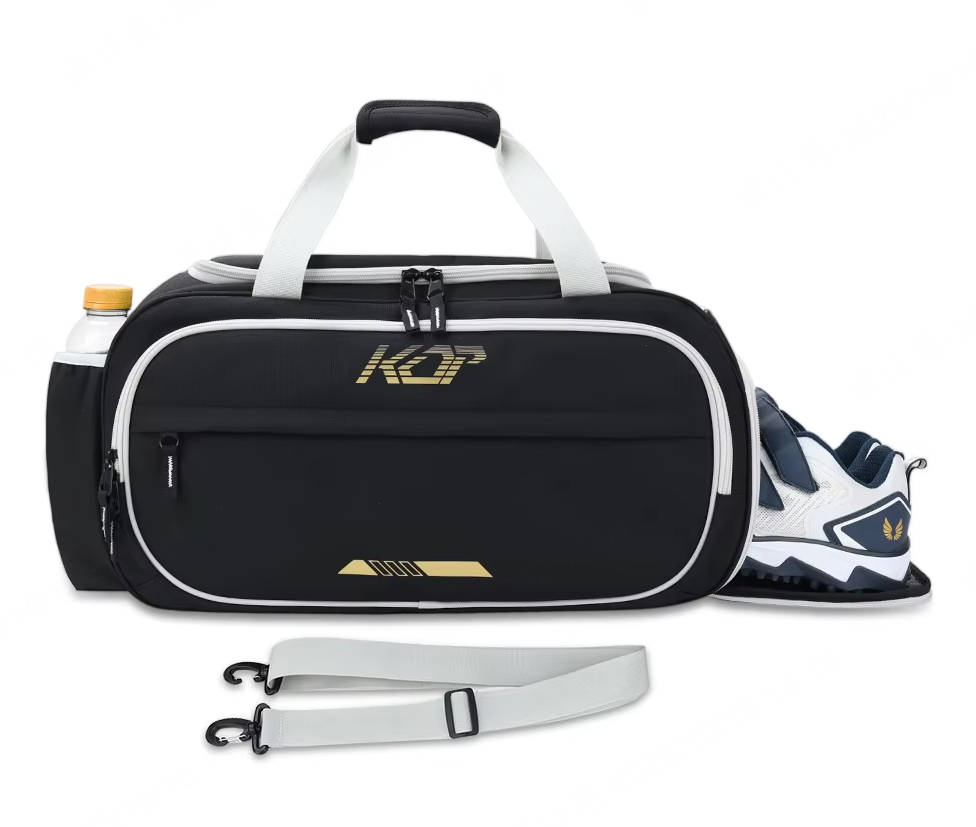
Organization is part of durability because it affects how a load presses on the shell and closures. When a helmet, shoes, and loose accessories all settle into one deep cavity, players may repeatedly tug at the same zipper or stretch the opening to retrieve an item. Clear zones can reduce that friction. Still, more pockets do not automatically mean better organization. Each compartment should correspond to an actual packing action.
Ask what the player needs to remove first after arriving at the field. Place frequent-use items where they can be reached without unloading the entire baseball bag. Keep dirty or damp items separate only when that separation will be used consistently. For changing gear lists, a flexible main space may be more practical; stable tournament loads can benefit from defined spaces.
Match the carry system to the route and load
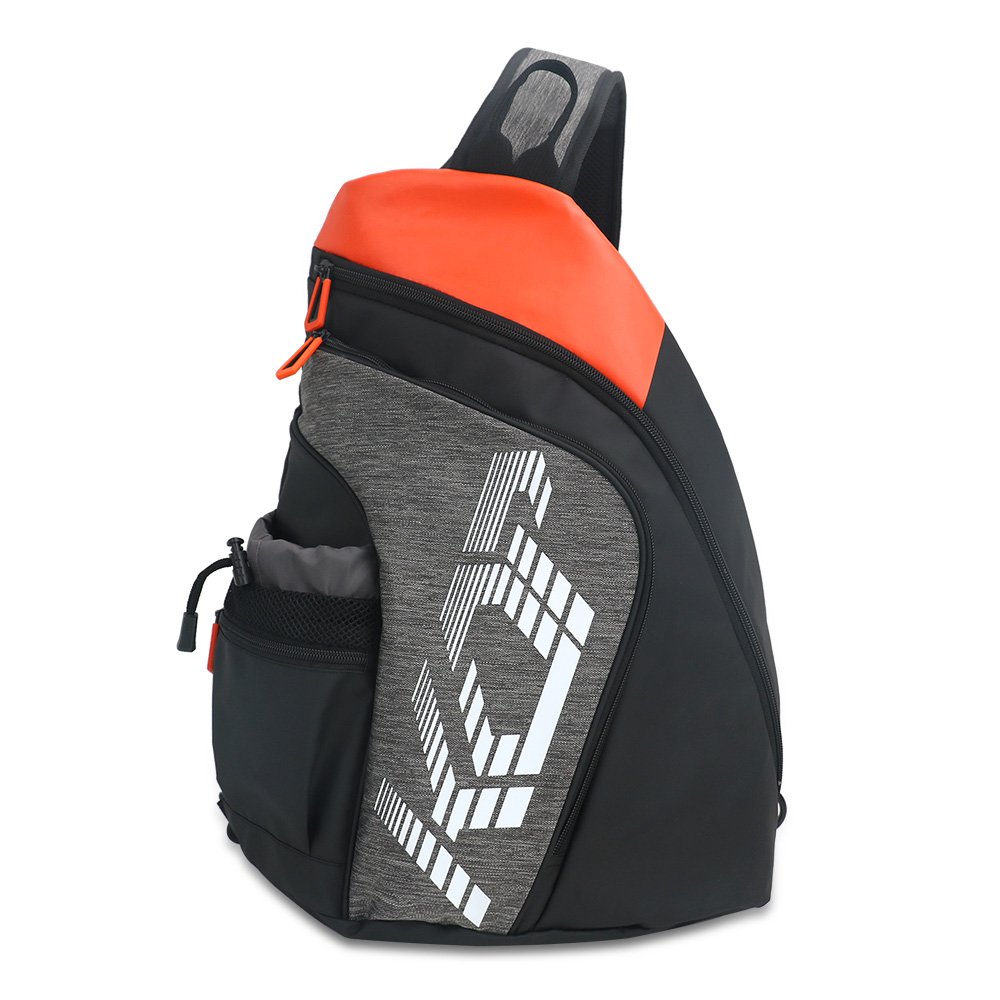
Carry systems receive different kinds of stress. A backpack-style baseball bag puts repeated load through shoulder straps and back-panel seams. A rolling format adds wheels, an axle area, and a pull handle that deserve their own inspection. A duffel-style format relies heavily on hand and shoulder attachment points. None is inherently superior; the appropriate choice depends on distance, terrain, total load, and the user’s ability to manage it.
Test likely motion: lift it to trunk height, pull it over a representative surface if possible, and reach into it full. This exposes balance and handling issues missed by an empty-bag check.
Use a simple multi-season care routine
Construction is the starting point; care affects how much avoidable wear builds up. After practices or games, empty loose debris before it works into seams and zipper tracks. If cleaning is needed, follow the manufacturer’s care instructions; gentle cleaning with mild soap and a soft cloth is a common approach for many bag materials, followed by natural drying. Avoid storing a damp bag closed for long periods, especially when shoes or wet clothing have been inside.
- Empty the baseball bag and shake out loose debris after heavy field use.
- Inspect the base, handle anchors, and zipper ends at the end of each season.
- Clean according to the care label and let the bag dry before storage.
- Address a loose stitch, snagging zipper, or worn base area early, before it spreads.
- Recheck the load plan when new protective gear or travel needs are added.
A practical pre-purchase checklist
For a baseball bag intended for repeated use, ask to see the following in person or in a representative sample:
- How handle and strap anchors are secured under a realistic load.
- Whether seams at the bottom and main opening are even and well finished.
- How the zipper operates around corners when the bag is packed.
- Which areas will touch the ground and how they are protected.
- Whether bat, helmet, shoe, and wet-gear locations match the actual routine.
- How the chosen carry system suits the route, terrain, and total equipment weight.
For sports brands developing a baseball bag, turn this checklist into a sample review rather than treating it as marketing language. Specify the equipment mix, the likely carry route, the expected abrasion areas, and the inspection points. This permits comparison without claiming an untested lifespan.
Durability is a system of materials, construction, and use
A baseball bag that supports multiple seasons is not defined by one headline feature. It is the result of a sensible match between material direction, reinforced stress points, workable zippers, a protected base, an appropriate carry system, and a packing routine that does not fight the design. Start with the user’s real equipment and movements, then inspect the points that take repeated force. That is a more useful way to choose a heavy-duty baseball bag—and a clearer foundation for a specification or sample review.


 Hot News